
How Often Should Carbon Monoxide Detectors Be Replaced?
Publication Date:2026/03/25Carbon monoxide detectors are critical safety devices for preventing poisoning incidents in commercial buildings and industrial facilities. For users, a frequently overlooked yet crucial question is: “How often should carbon monoxide detectors be replaced?” The answer is not simply “replace them when they break,” but rather requires a comprehensive consideration of sensor lifespan, device type, operating environment, and manufacturer recommendations. Understanding this not only helps avoid safety blind spots caused by equipment failure but also ensures compliance with local regulations.
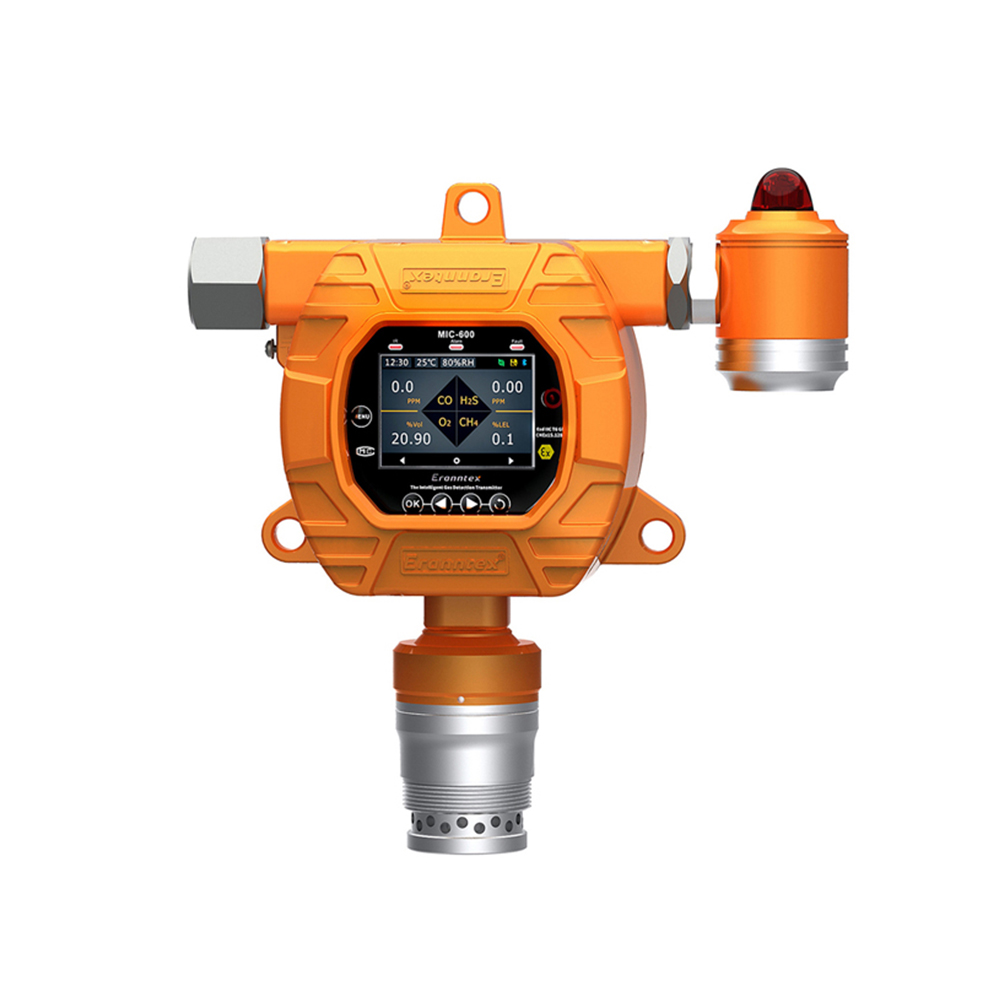
Industrial-grade carbon monoxide detectors typically use replaceable electrochemical sensor modules. The typical service life of these sensors is 24 to 36 months, depending on exposure frequency, ambient temperature and humidity, and the presence of interfering gases. Even if not used frequently, electrochemical sensors will gradually fail due to the natural evaporation of the electrolyte. Therefore, industrial users should not rely solely on whether the device “still works” to make a judgment; instead, they should establish a time-based preventive replacement schedule—for example, proactively replacing the sensor every two years, regardless of whether its current readings are normal.
Second, the operating environment significantly impacts actual service life. In locations with high temperatures, high humidity, dust, or chemical contaminants, sensor degradation accelerates significantly. For example, in automotive repair shops, boiler rooms, or underground parking garages, carbon monoxide detectors may be chronically exposed to oil mist, nitrogen oxides, or vibration, all of which accelerate performance degradation. In such high-risk environments, it is recommended to shorten the replacement cycle to 18–24 months, accompanied by more frequent calibration (once a month) and functional testing (before each use).
Third, maintenance records serve as a critical basis for determining when to replace sensors. If a detector frequently fails calibration, exhibits excessive zero-point drift, shows prolonged response times, or fails functional tests, it should be considered prematurely failed and replaced immediately—even if it has not reached its rated service life. Professional users should establish equipment records documenting the date of commissioning, calibration history, abnormal events, and maintenance operations. This not only facilitates precise lifecycle management but also provides critical evidence during safety audits or accident investigations.
Additionally, it is important to note that battery life does not equate to the device’s lifespan. Many users mistakenly believe that replacing the battery allows the device to continue functioning, but in reality, the aging of sensors and electronic components is irreversible. This is particularly true for alarms, whose internal clock chips typically begin counting time from the moment they are first powered on; even when powered off and in storage, their lifespan continues to elapse. Therefore, checking the production date or commissioning label on the back of the device is more reliable than relying on the assumption that “it still sounds.”
In summary, for industrial or professional users, electrochemical carbon monoxide sensors should be replaced every 2–3 years, with adjustments made based on usage intensity and environmental conditions. More importantly, regardless of whether the device appears to be functioning normally, it should be treated as a safety asset with a defined lifespan, rather than a permanent tool. When facing this colorless, odorless “silent killer,” regular replacement is not a cost, but the most worthwhile investment in life.
Related information
-
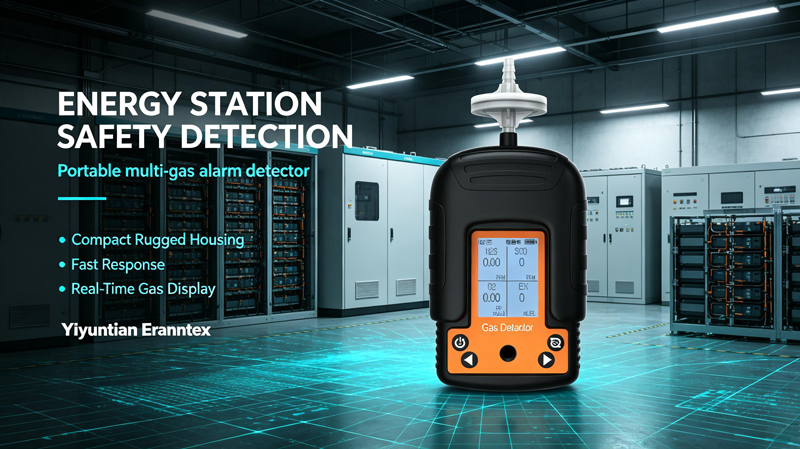
How to Calibrate a Portable four-in-one Gas Detectors?
Portable four-in-one gas detectors are core protective equipment in the industrial safety field. However, sensors can experience z...
2026-09-18 -
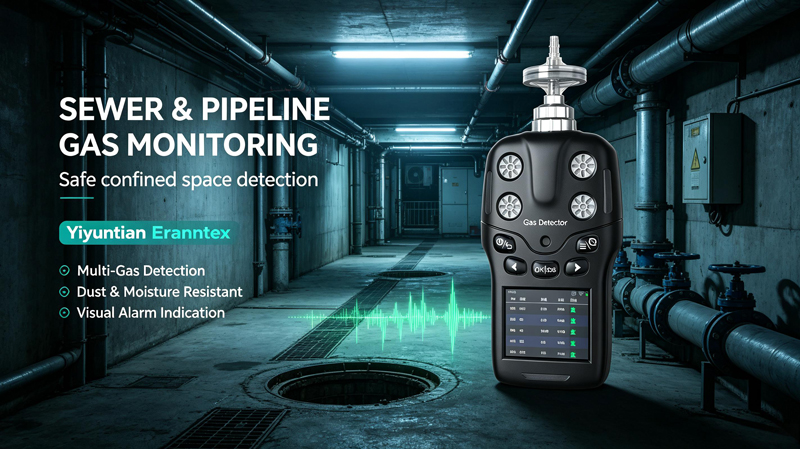
What are the application scenarios for portable four-in-one gas detectors?
Portable four-in-one gas detectors typically monitor oxygen (O₂), flammable gas (LEL), carbon monoxide (CO), and hydrogen sulfide...
2026-09-16 -
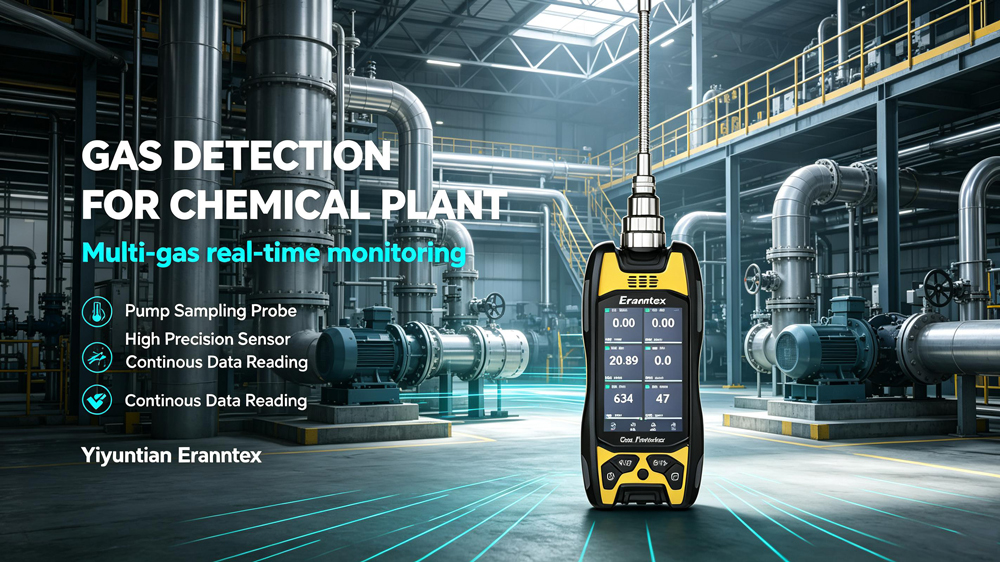
Portable four-in-one Gas Detectors User Manual
The portable four-in-one gas detectors is a core piece of personal protective equipment (PPE) for ensuring the safety of personnel...
2026-09-14 -

Calibration Specifications for Ammonia gas Detectors
Calibration of ammonia gas detectors is a core step in ensuring their measurement accuracy and alarm reliability. However, ammonia...
2026-09-11 -
What is the appropriate installation height for an ammonia gas detectors?
Ammonia (NH₃) has a relative density of only 0.59, much lighter than air. This means that in the event of a leak, the gas will qu...
2026-09-09
 info@eranntexgas.com sale1@eranntexgas.com


 15914124845