
How to Assess the Alarm Accuracy of an Oxygen Detectors?
Publication Date:2026/03/23Assessing the alarm accuracy of an oxygen detectors is a critical step in ensuring it provides reliable protection when it matters most. For international users—especially professionals working in confined spaces, industrial safety, or emergency response—“whether the alarm is accurate” directly impacts safety and compliance. However, alarm accuracy is not merely measured by whether the alarm sounds; it requires a comprehensive evaluation across multiple dimensions, including calibration verification, functional testing, review of technical specifications, and practical performance assessments. Below, the Yiyuntian Eranntex editorial team will systematically explain how to scientifically evaluate the alarm accuracy of an oxygen detectors.
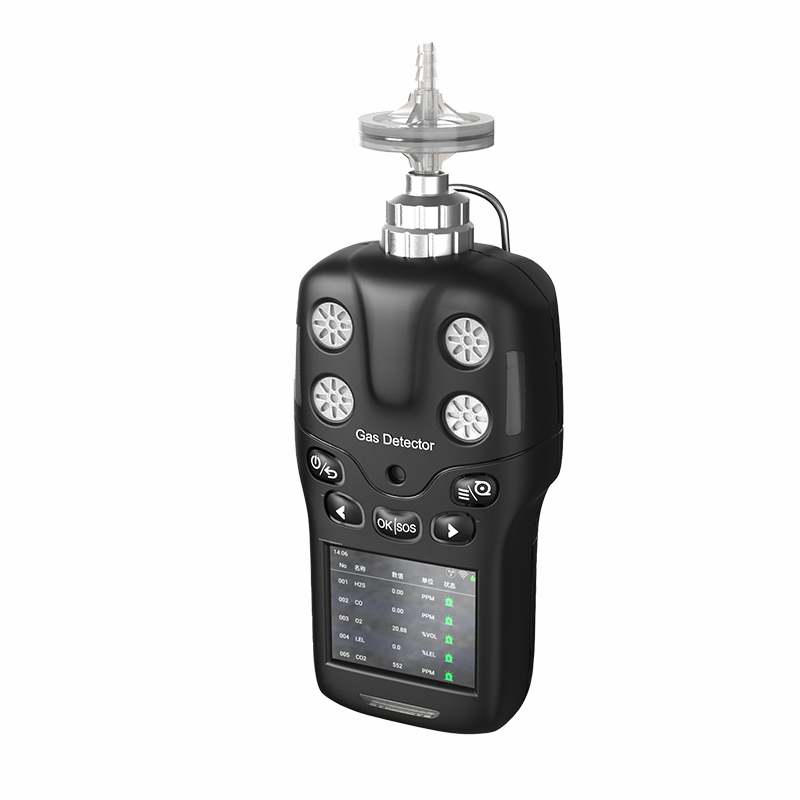
First, understanding the definition of “alarm accuracy” is crucial. Oxygen detectors typically feature two alarm thresholds: a low-oxygen alarm (generally set at 19.5% vol) and a high-oxygen alarm (generally set at 23.5% vol), established in accordance with international safety standards such as OSHA and HSE. Alarm accuracy refers to the instrument’s ability to trigger an alarm promptly and reliably within the specified error margin when the actual oxygen concentration in the environment reaches or exceeds these thresholds. For example, a detector with an accuracy of ±0.5% vol should trigger an alarm between 19.0% and 20.0% in a 19.5% vol environment. If the deviation is too large (e.g., the alarm triggers at 18%), there is a serious safety hazard.
Second, the most direct verification method is to conduct a bump test or calibration test using standard gases of known concentration. Standard gases should be supplied by an ISO 17025-certified vendor. Common concentrations used for oxygen verification include 17.0% (simulating hypoxia), 20.9% (normal air), and 25.0% (hypoxic). Expose the detector to 17.0% O₂ gas and observe whether it triggers a low-oxygen alarm within a few seconds; similarly, a high-oxygen alarm should trigger in the 25.0% gas. The entire process must record the response time and verify whether the stable reading matches the alarm action. If the device fails to alarm at the expected concentrations, or if the reading deviation exceeds the manufacturer’s stated accuracy (e.g., ±0.1% or ±0.5% vol), this indicates insufficient alarm accuracy.
Third, regular calibration is essential for maintaining alarm accuracy. Oxygen sensors (mostly electrochemical types) experience zero drift or sensitivity decay over time. Even if the device “appears to be functioning normally,” an uncalibrated instrument may fail at critical concentrations. It is recommended to perform a full calibration at least every 30 days and conduct a functional test before each use. Modern high-end detectors (such as MSA, Dräger, or Industrial Scientific products) typically support “fresh air calibration” (using 20.9% as the reference) or span calibration using bottled standard gas. After calibration, the accuracy of the alarm set points can be verified by retesting with 17% or 25% gas.
Additionally, reviewing technical documentation and certification information is a crucial step in assessing potential accuracy. Users should pay attention to the following parameters published by the manufacturer:
Measurement Accuracy: e.g., “±0.5% vol”
Resolution: e.g., “0.1% vol”
Alarm Tolerance: Some devices allow users to fine-tune alarm setpoints, but it is essential to ensure they remain within safety standards
Certification Standards: such as ATEX, IECEx, UL, or EN 60079-29-1. These certifications require the equipment to pass rigorous alarm performance tests under specific conditions
It is worth noting that environmental factors can also affect alarm performance. Extreme temperatures, high humidity, and changes in atmospheric pressure (such as in high-altitude areas) may interfere with sensor output. High-quality equipment incorporates built-in temperature/pressure compensation algorithms, but users should still avoid calibrating under non-standard conditions.
Finally, long-term performance tracking is essential. Maintaining a device maintenance log that records calibration readings, functional test results, and alarm trigger events helps identify trend-based drifts. For example, if a device triggers a low alarm at 17.5% three times in a row, while a new unit alarms at 17.1%, this indicates that the sensor may be aging. Even if it has not completely failed, the alarm accuracy has declined, and replacement should be considered.
In summary, assessing the alarm accuracy of an oxygen detectors should not rely on subjective judgment, but rather on standardized testing, proper calibration, verification of technical parameters, and comparison with historical data. For professionals overseas, treating alarm accuracy as a quantifiable, verifiable, and traceable technical metric—rather than a vague question of “whether it went off”—is the key to achieving true safety protection. When facing silent yet deadly risks such as hypoxia or hyperoxia, precise alarms are not merely a nice-to-have feature, but the last line of defense between life and death.
Related information
-
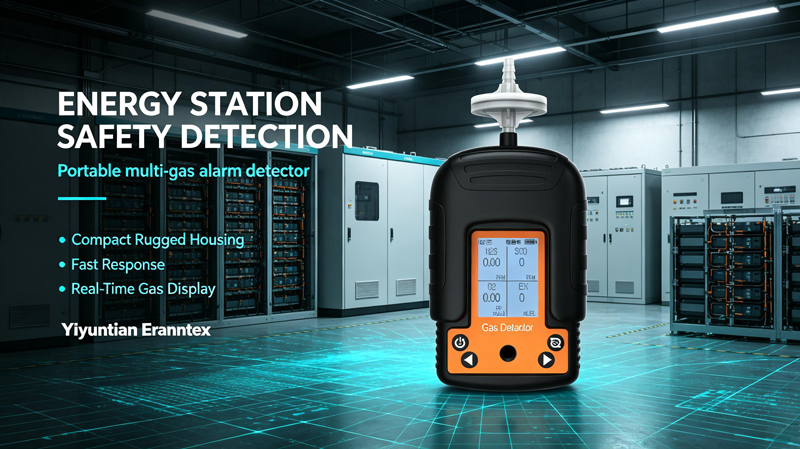
How to Calibrate a Portable four-in-one Gas Detectors?
Portable four-in-one gas detectors are core protective equipment in the industrial safety field. However, sensors can experience z...
2026-09-18 -
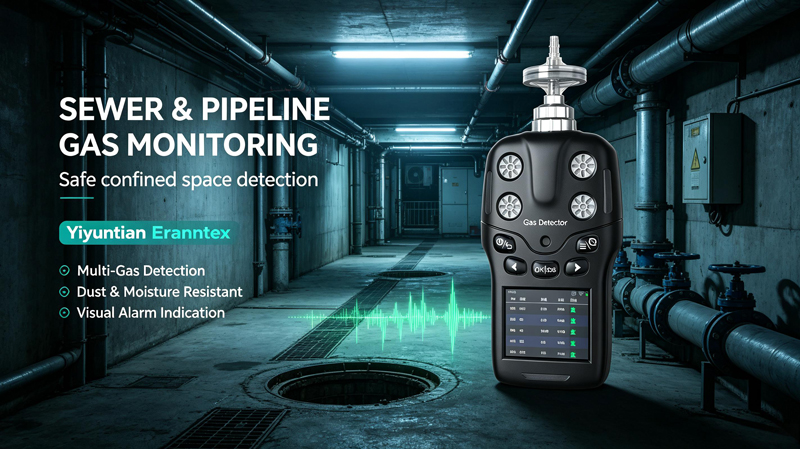
What are the application scenarios for portable four-in-one gas detectors?
Portable four-in-one gas detectors typically monitor oxygen (O₂), flammable gas (LEL), carbon monoxide (CO), and hydrogen sulfide...
2026-09-16 -
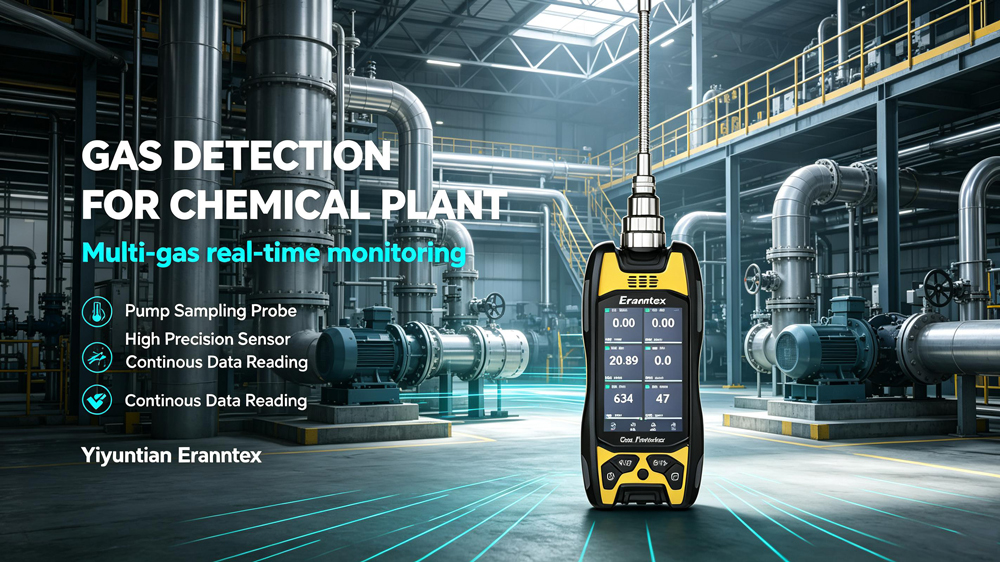
Portable four-in-one Gas Detectors User Manual
The portable four-in-one gas detectors is a core piece of personal protective equipment (PPE) for ensuring the safety of personnel...
2026-09-14 -

Calibration Specifications for Ammonia gas Detectors
Calibration of ammonia gas detectors is a core step in ensuring their measurement accuracy and alarm reliability. However, ammonia...
2026-09-11 -
What is the appropriate installation height for an ammonia gas detectors?
Ammonia (NH₃) has a relative density of only 0.59, much lighter than air. This means that in the event of a leak, the gas will qu...
2026-09-09
 info@eranntexgas.com sale1@eranntexgas.com


 15914124845