
Calibration Procedures for Carbon Monoxide Detectors
Publication Date:2026/03/27As critical life-safety equipment, the measurement accuracy of carbon monoxide detectors directly affects whether personnel can evacuate promptly from environments containing toxic gases. For industrial safety engineers, EHS professionals, or compliance managers, understanding and adhering to standardized calibration procedures is not only a matter of good practice but also often a prerequisite for meeting regulatory requirements set by OSHA, NFPA, ISO, or EN. It should be noted that in the European and American contexts, “calibration” typically does not refer to mandatory legal metrology, but rather to the process of verifying and adjusting equipment performance through standardized procedures. Below, the Yiyuntian Eranntex editorial team will outline the core elements of this procedure step by step.
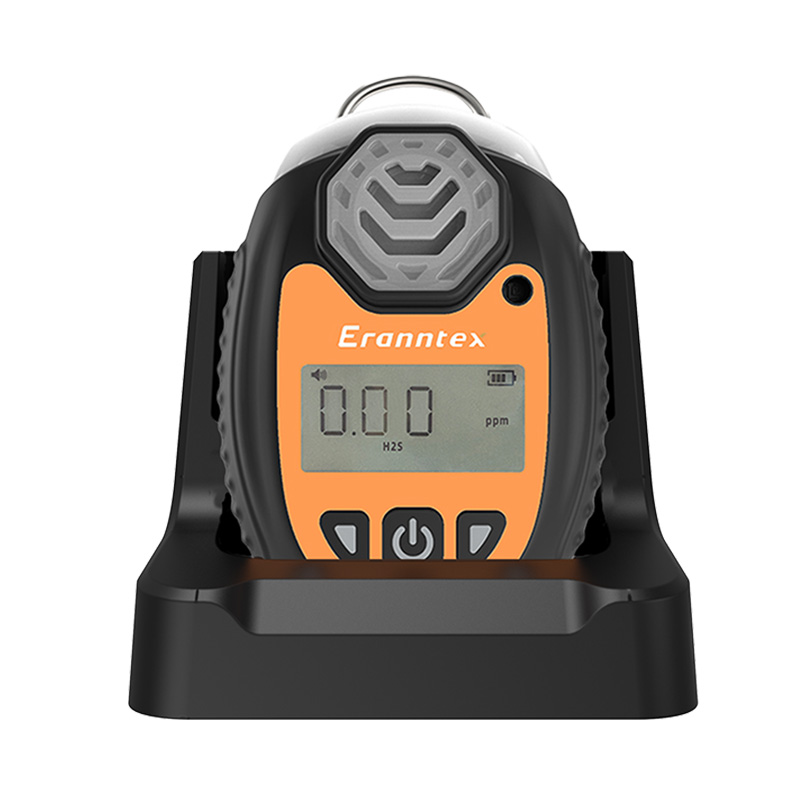
First, clarify the purpose of verification and the applicable standards. The verification of carbon monoxide detectors aims to confirm that: (1) readings fall within the accuracy range stated by the manufacturer; (2) low and high alarm thresholds trigger accurately; and (3) response times meet safety requirements (typically T90 ≤ 30 seconds). Internationally recognized reference standards include: ANSI/ISA 92.01, NFPA 720, and OSHA Technical Manuals in the United States; EN 50291 and EN 60079-29-1 in Europe; and the ISO 6145 series. Although these standards differ in detail, their core principles are consistent: using traceable standard gases to verify performance under controlled conditions.
Second, the preparation phase is critical. Calibration must use certified carbon monoxide standard gases, typically at concentrations of 50 ppm, 100 ppm, or 300 ppm, with an uncertainty of ≤2%, and accompanied by traceability certificates from NIST, PTB, or equivalent national metrology institutes. Additionally, the setup must include a calibrated flow meter, clean and uncontaminated sampling tubing, and a test environment with stable temperature and humidity (recommended: 20–25°C, <80% RH). The device itself should be fully warmed up and in normal operating condition.
Third, perform a functional test as an initial screening. This is the first step in the verification process: briefly expose the device to the standard gas to observe whether it triggers an alarm within the specified time and displays a reasonable reading. If the test fails, there is no need to proceed with formal verification; the device should first be repaired or calibrated. If it passes, proceed to the comprehensive calibration or performance verification stage.
Next comes the formal calibration or validation process. For carbon monoxide detectors requiring calibration, the operator places the instrument in a standard gas environment. Once the reading stabilizes, the operator executes “span calibration” via the menu to match the displayed value to the standard gas concentration. For scenarios requiring only validation, the actual reading is recorded, and the deviation is calculated:
Deviation = |Actual Reading − Standard Gas Value|
If the deviation is ≤ the manufacturer’s stated accuracy (e.g., ±10% of reading or ±5 ppm), the device is deemed合格. Alarm thresholds must also be verified: for example, when using a 50 ppm gas, if the low alarm is set to 35 ppm, the alarm should have been triggered.
Furthermore, the zero-point check must not be overlooked. After introducing clean air or zero gas, the reading should be within ±2 ppm. Significant zero-point drift may indicate sensor aging or contamination; even if the device is temporarily “accurate” after span calibration, its long-term stability remains questionable.
Finally, complete documentation and traceability are key to compliance. All calibration activities must be documented, including: device serial number, calibration date, operator, batch number and expiration date of the calibration gas used, environmental conditions, measured data, evaluation results, and the schedule for the next calibration. Modern carbon monoxide detectors often support Bluetooth or USB export of calibration logs, facilitating integration into corporate EHS management systems. According to OSHA and EU BREF guidelines, these records typically must be retained for at least 1–3 years.
In summary, the calibration of carbon monoxide detectors is not a complex technical challenge, but rather a structured, repeatable, and evidence-based verification process. Its core principles include: using traceable standard gases, adhering to manufacturer and industry standards, performing systematic tests, and maintaining complete records. For international users, viewing calibration as part of risk management—rather than a mere formality to satisfy inspections—is essential to fully leverage the critical role carbon monoxide detectors play in preventing poisoning incidents.
Related information
-
How to Calibrate a Portable four-in-one Gas Detectors?
Portable four-in-one gas detectors are core protective equipment in the industrial safety field. However, sensors can experience z...
2026-09-18 -
What are the application scenarios for portable four-in-one gas detectors?
Portable four-in-one gas detectors typically monitor oxygen (O₂), flammable gas (LEL), carbon monoxide (CO), and hydrogen sulfide...
2026-09-16 -
Portable four-in-one Gas Detectors User Manual
The portable four-in-one gas detectors is a core piece of personal protective equipment (PPE) for ensuring the safety of personnel...
2026-09-14 -

Calibration Specifications for Ammonia gas Detectors
Calibration of ammonia gas detectors is a core step in ensuring their measurement accuracy and alarm reliability. However, ammonia...
2026-09-11 -
What is the appropriate installation height for an ammonia gas detectors?
Ammonia (NH₃) has a relative density of only 0.59, much lighter than air. This means that in the event of a leak, the gas will qu...
2026-09-09
 info@eranntexgas.com sale1@eranntexgas.com


 15914124845