
What should be considered when calibrating the sensors of a combustible gas detectors?
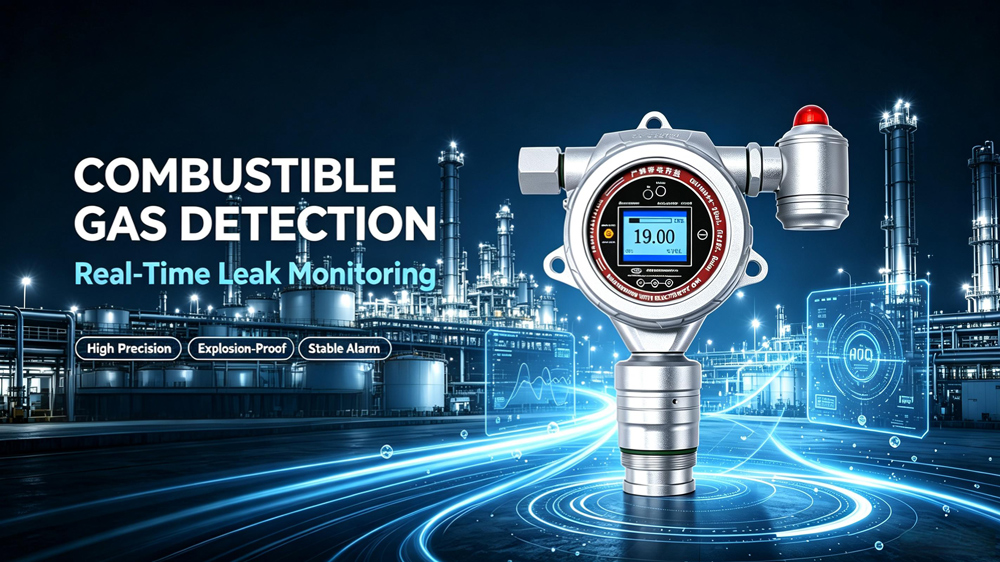
Publication Date:2026/04/01The calibration of sensors in flame-retardant gas detectors is a critical step in ensuring accurate early warning of fire or explosion risks at crucial moments. For professionals, calibration is not merely routine maintenance but a fundamental requirement for compliance and risk management. However, while the calibration process may seem simple, overlooking key details can actually create a “false sense of security.” Below are several key points to keep in mind when calibrating combustible gas sensors, as summarized by the Yiyuntian Eranntex editorial team.
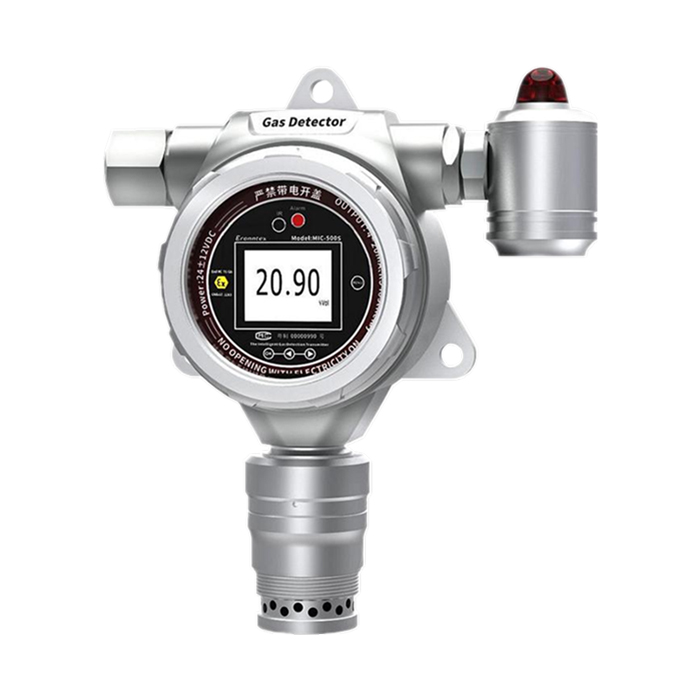
First, clearly distinguish between “functional testing” and “calibration.” This is a common point of confusion. A functional test involves briefly exposing the sensor to a known concentration of combustible gas to verify whether it can trigger an alarm and display a reasonable reading within a specified time—the entire process takes only 30–60 seconds and is used to confirm that the device “is still operational.” Calibration, on the other hand, involves adjusting the internal parameters of the combustible gas detectors so that its readings precisely match the concentration of a standard gas; this is typically performed when a functional test fails or during routine maintenance. According to international best practices, a functional test should be performed before each use, and a full calibration should be conducted at least once every 30 days. Confusing the two may result in the device operating with faults without the user’s knowledge.
Second, the selection and use of standard gases must be rigorous. The gas used for calibration must be a certified flammable standard gas, commonly 50% LEL methane, and must be accompanied by a certificate of traceability from NIST, PTB, or an equivalent national metrology institute. Always verify the gas’s expiration date, lot number, and concentration label. Important note: The type of balancing gas affects the results—if a flammable gas detector designed for air environments is calibrated using nitrogen-balanced standard gas, the catalytic combustion sensor may respond too low due to oxygen deficiency. Additionally, gas flow rate should be maintained within the manufacturer’s recommended range; excessive flow may wash out the sensor, while insufficient flow may result in an incomplete reaction.
Third, environmental conditions directly affect calibration accuracy. Calibration should be performed in a stable environment with temperatures between 15–30°C, humidity below 80% RH, and no strong electromagnetic interference. Avoid operating in areas with high wind speeds, extreme temperatures or humidity, or the presence of other flammable vapors, as these can interfere with readings. More importantly, never perform calibration in suspected hazardous areas—this not only violates safety protocols but may also lead to incorrect judgments due to interference from background gases.
Fourth, understand the technical limitations of sensors. Mainstream combustible gas sensors fall into two categories: catalytic combustion and infrared. Catalytic combustion sensors respond to nearly all combustible gases but are prone to “poisoning” by silicones, sulfides, lead, or halogens, which can cause permanent failure; infrared sensors are highly resistant to poisoning but cannot detect diatomic molecules such as hydrogen or acetylene. If methane calibration gas is used during calibration, but the actual gas on-site is propane or hydrogen, the reading is only a “methane equivalent” and must be converted to the actual risk using relative response coefficients. Failure to account for this difference may result in a severe underestimation of the explosion risk.
Fifth, record-keeping and traceability are indispensable. Standards such as OSHA and ISO 45001 require that all maintenance activities for safety equipment be traceable. After calibration, the following should be recorded: equipment serial number, operator, date, information on the calibration gas used, measured reading, pass/fail status, and follow-up actions. Modern smart detectors typically support automatic storage of calibration logs, which can be exported via Bluetooth or USB for easy integration into corporate EHS management systems. A lack of records not only affects compliance audits but may also result in legal liability during accident investigations.
Finally, personnel training is a prerequisite for effective calibration. Even the most advanced combustible gas detectors are rendered ineffective if operators do not understand the principles, procedures, or risks involved. All users should receive training from the manufacturer or a certified body to master skills such as properly connecting tubing, identifying sensor fault codes, and determining the causes of calibration failures.
In summary, calibrating the sensors of combustible gas detectors is by no means as simple as “blowing some gas through and checking the readings.” It is a systematic process requiring standardized procedures, certified consumables, a suitable environment, technical expertise, and comprehensive documentation. For professionals, viewing calibration as a critical control point in risk management—rather than a mere formality to satisfy inspections—is the only way to truly realize the value of this safety barrier. After all, when facing potential explosion risks, reliable calibration is not a cost, but the strongest commitment to life.
Related information
-
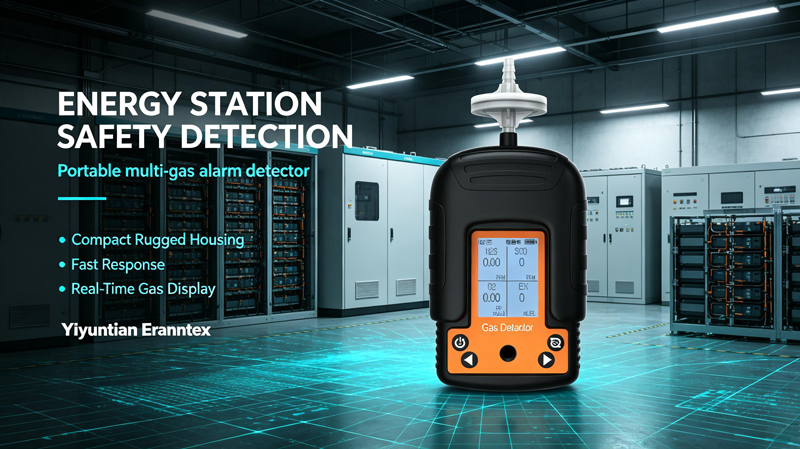
How to Calibrate a Portable four-in-one Gas Detectors?
Portable four-in-one gas detectors are core protective equipment in the industrial safety field. However, sensors can experience z...
2026-09-18 -
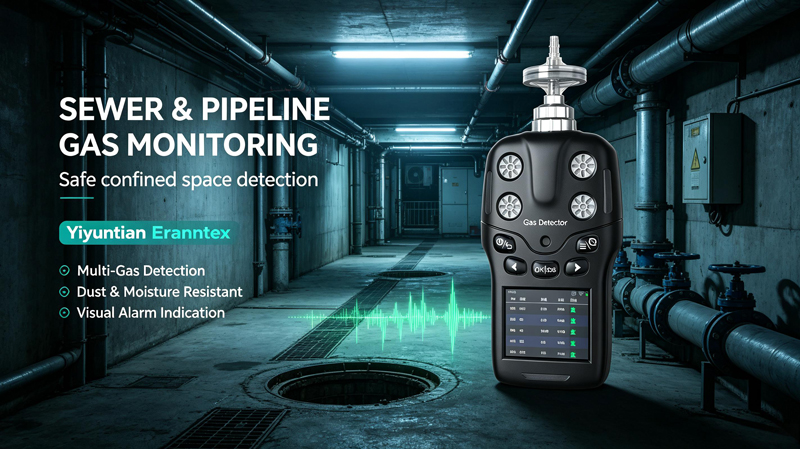
What are the application scenarios for portable four-in-one gas detectors?
Portable four-in-one gas detectors typically monitor oxygen (O₂), flammable gas (LEL), carbon monoxide (CO), and hydrogen sulfide...
2026-09-16 -
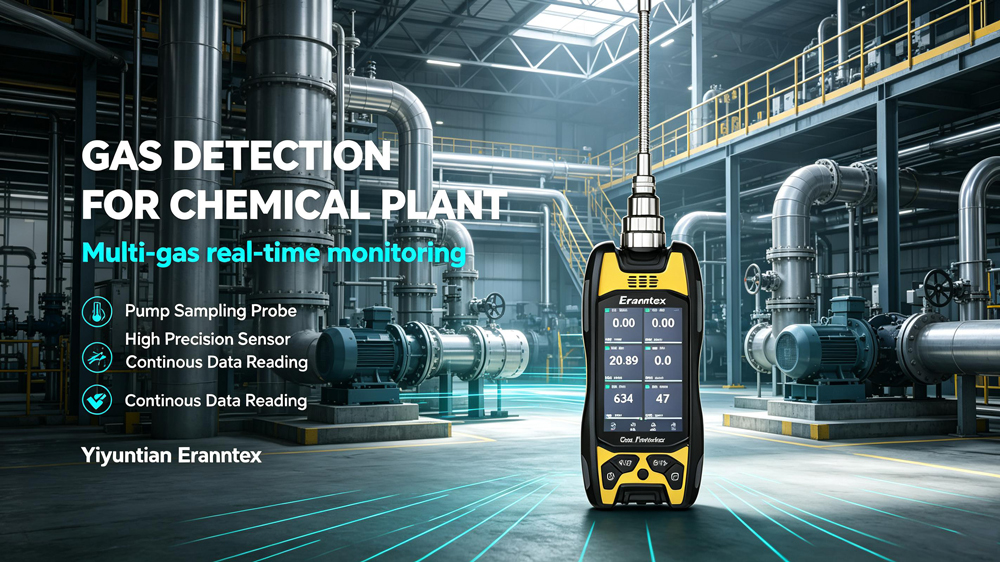
Portable four-in-one Gas Detectors User Manual
The portable four-in-one gas detectors is a core piece of personal protective equipment (PPE) for ensuring the safety of personnel...
2026-09-14 -

Calibration Specifications for Ammonia gas Detectors
Calibration of ammonia gas detectors is a core step in ensuring their measurement accuracy and alarm reliability. However, ammonia...
2026-09-11 -
What is the appropriate installation height for an ammonia gas detectors?
Ammonia (NH₃) has a relative density of only 0.59, much lighter than air. This means that in the event of a leak, the gas will qu...
2026-09-09
 info@eranntexgas.com sale1@eranntexgas.com


 15914124845