
Can a carbon dioxide detectors detect low oxygen levels?
Publication Date:2026/04/17In modern society, carbon dioxide detectors are becoming increasingly common—whether in the ventilation systems of commercial buildings, safety protocols for industrial facilities, or concerns about air quality in home basements. However, when purchasing and using these devices, users often ask a question that gets right to the heart of the matter: “ Since humans exhale carbon dioxide, can I use a carbon dioxide detectors to determine if a room is oxygen-deficient (lacking oxygen)?”
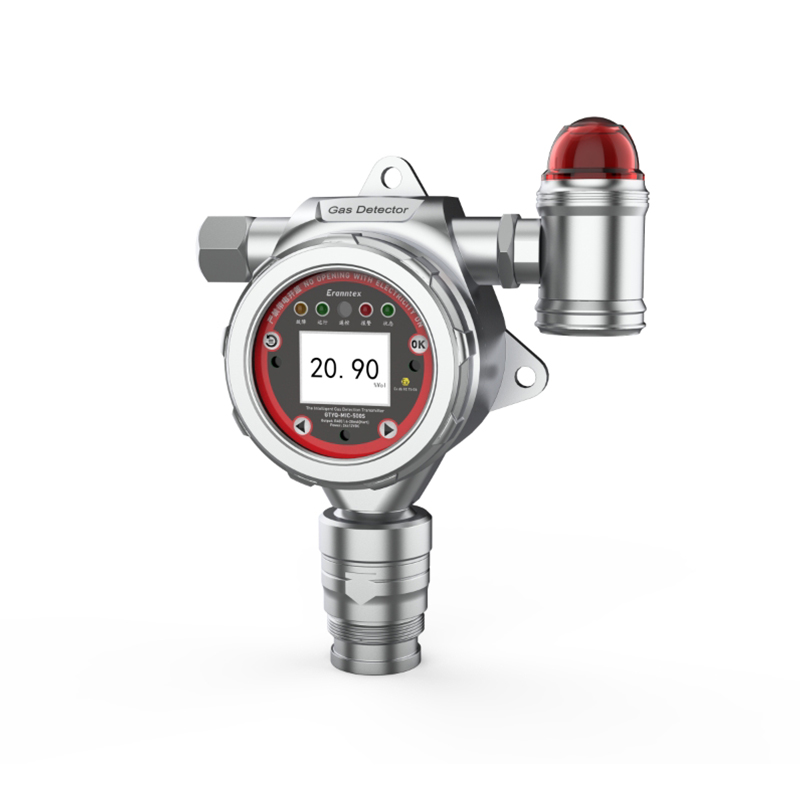
This is a very logical and intuitive deduction, but unfortunately, the scientific answer is no. Equating a carbon dioxide detectors with a warning device for oxygen deficiency is a common and potentially dangerous misconception. To understand why, we need to examine the composition of air and the physical principles behind how sensors work.
First, we need to clarify the difference in the “base levels” of these two gases in the air. In the air we breathe, nitrogen accounts for approximately 78%, oxygen for 20.9%, while carbon dioxide makes up only a tiny fraction—about 0.04%. When people gather in an enclosed space, the concentration of exhaled CO₂ rises rapidly, reaching levels as high as 2,000 ppm or even 5,000 ppm. At this point, the air feels stuffy, and people may feel drowsy, but this merely indicates that CO₂ levels have risen from extremely low to slightly higher. During this phase, the oxygen concentration in the room may have dropped only slightly, from 20.9% to 20.5% or 20.8%. For the human body, an oxygen concentration of 20.5% is entirely sufficient and safe.
In other words, a sharp rise in CO₂ concentration does not equate to a sudden drop in oxygen concentration. To reduce the oxygen content in a room to a level that is life-threatening would require an extremely large volume of air displacement, which typically occurs only in specific industrial environments, not in ordinary, crowded conference rooms.
Second, and most importantly, lies in the fundamental difference in sensor technology—the “eyes” of the detector. Modern gas detectors are highly specialized instruments.
The vast majority of low-cost, widely available carbon dioxide detectors on the market use NDIR technology. This type of sensor contains an infrared emitter that is sensitive only to the specific physical structure of CO₂ molecules, enabling it to precisely capture the energy changes resulting from CO₂’s absorption of infrared light. When it comes to oxygen molecules, the infrared sensor is completely “blind,” because oxygen does not absorb infrared light of this wavelength.
True oxygen detectors, however, employ a completely different technological approach—typically electrochemical or paramagnetic sensors. These are specifically designed to react chemically with oxygen or detect its specific magnetic properties. Attempting to measure oxygen with an infrared CO₂ sensor is like using a filter that only recognizes red to search for green; no matter how vivid the green, the filter cannot detect it.
So, does this mean that carbon dioxide detectors are completely useless for safety in daily life? Of course not. Abroad, especially with the increased emphasis on ventilation quality following the COVID-19 pandemic, carbon dioxide detectors are regarded as the best indicator of ventilation efficiency. If CO₂ levels exceed the threshold, while this doesn’t necessarily mean you’re experiencing oxygen deprivation, it clearly warns you that the room’s ventilation system has failed, the air is becoming stale, and concentrations of viruses, droplets, and other volatile organic compounds may be accumulating. In this situation, opening a window to ventilate is the correct course of action.
However, if you are facing a genuine risk of oxygen deprivation—such as entering an underground wine cellar or being in an industrial workshop with a nitrogen leak—relying on a CO₂ monitor can be fatal. In these scenarios, even if the CO₂ reading is a normal 0.04%, the oxygen concentration may have already dropped below 15%, and just a few breaths could lead to loss of consciousness.
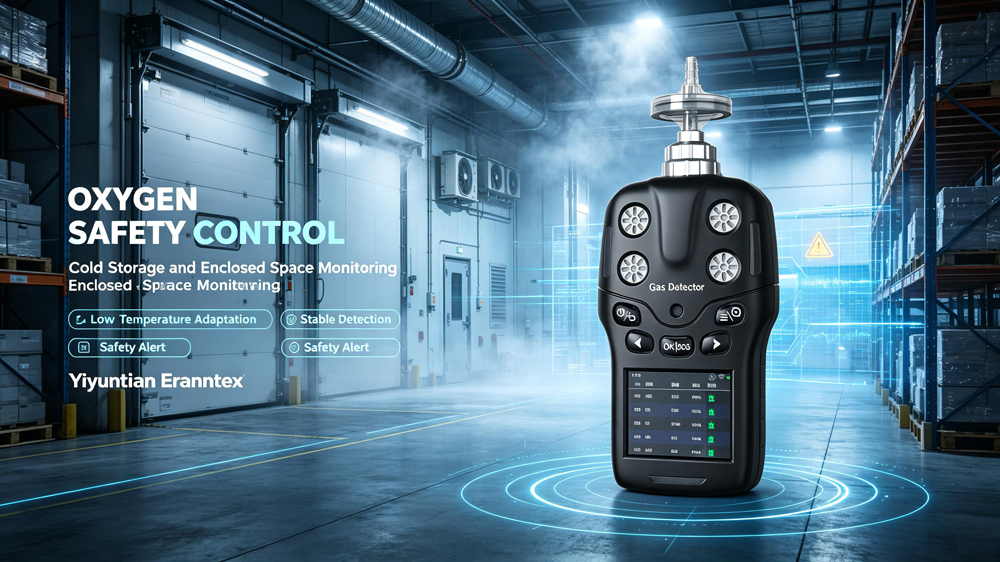
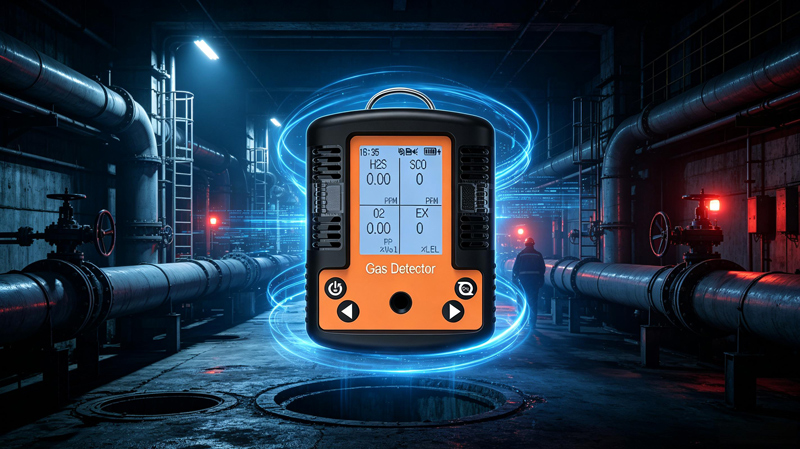
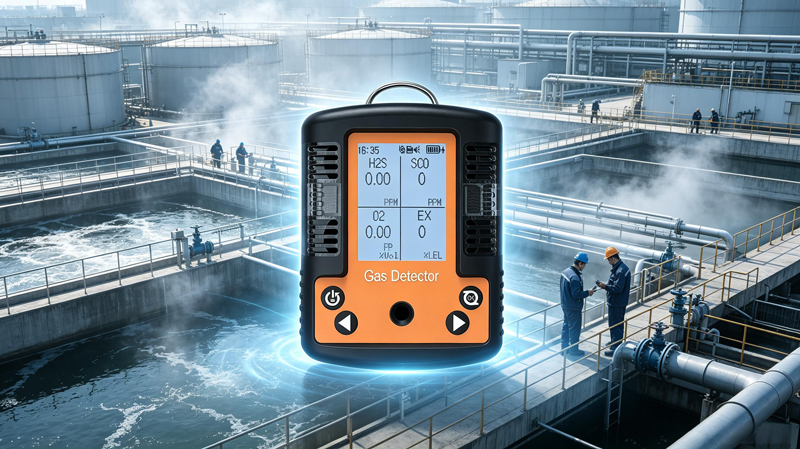
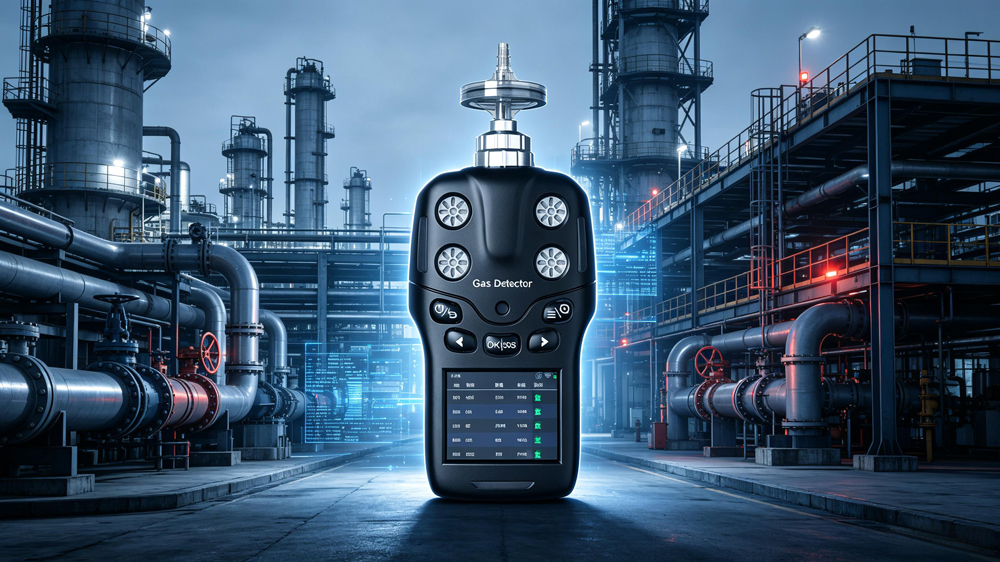
The conclusion is very clear: a carbon dioxide detectors is an excellent “air quality and ventilation assessor,” but it is by no means a qualified “lifesaver in cases of oxygen deficiency.” In typical office and living environments, you can rely on it to remind you to open windows for ventilation; however, in any industrial, enclosed tank, or underground work environment where there is a genuine risk of oxygen deficiency, you must wear a four-in-one gas detector specifically equipped with an oxygen sensor. Understanding the limitations of your tools is the most scientific approach to ensuring safety.
Related information
-
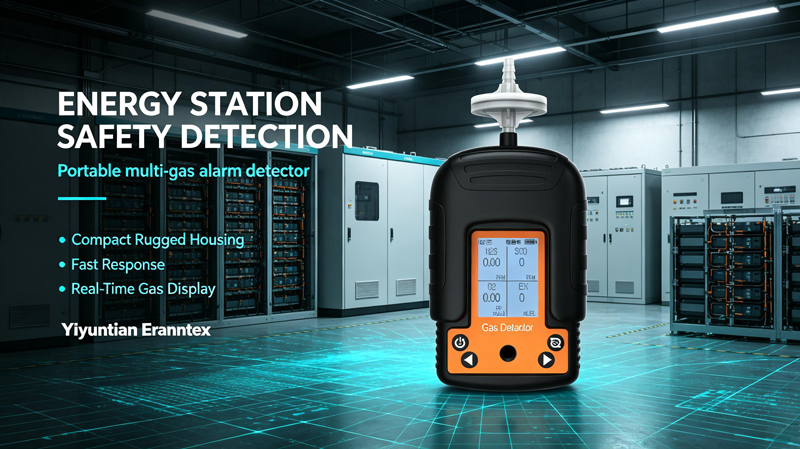
How to Calibrate a Portable four-in-one Gas Detectors?
Portable four-in-one gas detectors are core protective equipment in the industrial safety field. However, sensors can experience z...
2026-09-18 -
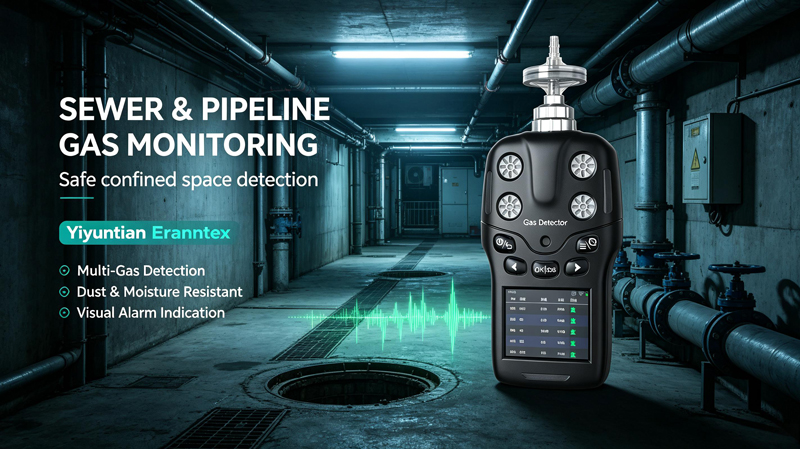
What are the application scenarios for portable four-in-one gas detectors?
Portable four-in-one gas detectors typically monitor oxygen (O₂), flammable gas (LEL), carbon monoxide (CO), and hydrogen sulfide...
2026-09-16 -
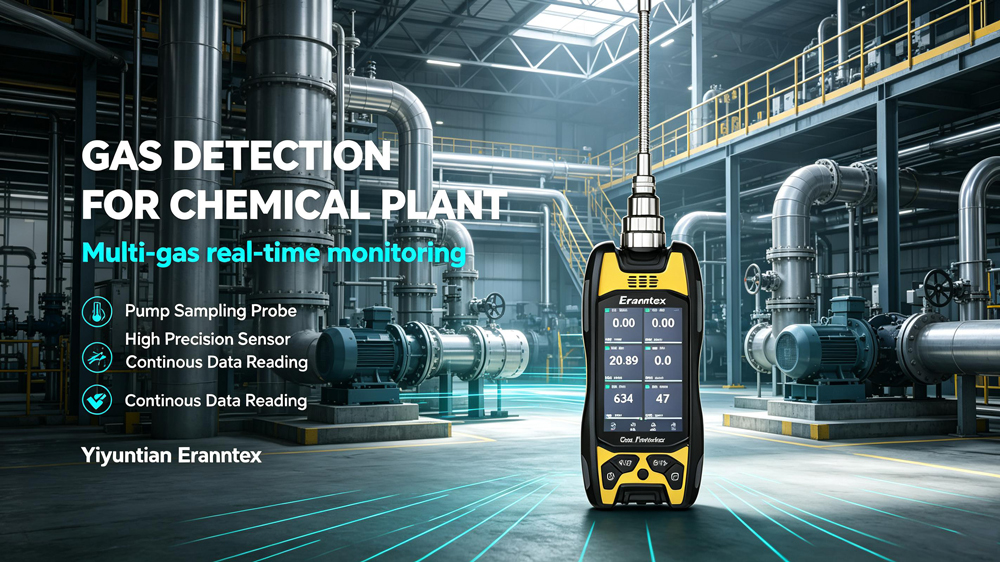
Portable four-in-one Gas Detectors User Manual
The portable four-in-one gas detectors is a core piece of personal protective equipment (PPE) for ensuring the safety of personnel...
2026-09-14 -

Calibration Specifications for Ammonia gas Detectors
Calibration of ammonia gas detectors is a core step in ensuring their measurement accuracy and alarm reliability. However, ammonia...
2026-09-11 -
What is the appropriate installation height for an ammonia gas detectors?
Ammonia (NH₃) has a relative density of only 0.59, much lighter than air. This means that in the event of a leak, the gas will qu...
2026-09-09
 info@eranntexgas.com sale1@eranntexgas.com


 15914124845