
How Do Four-in-One Detectors Cope with High-Temperature, High-Humidity Environments?
Publication Date:2026/05/19In extreme high-temperature, high-humidity environments, Four-in-One Detectors face severe operational challenges. Industrial users are particularly concerned about the reliability and compliance of equipment under harsh operating conditions. Ensuring that Four-in-One Detectors operate stably in these environments relies primarily on cutting-edge technology and design across the following key areas:
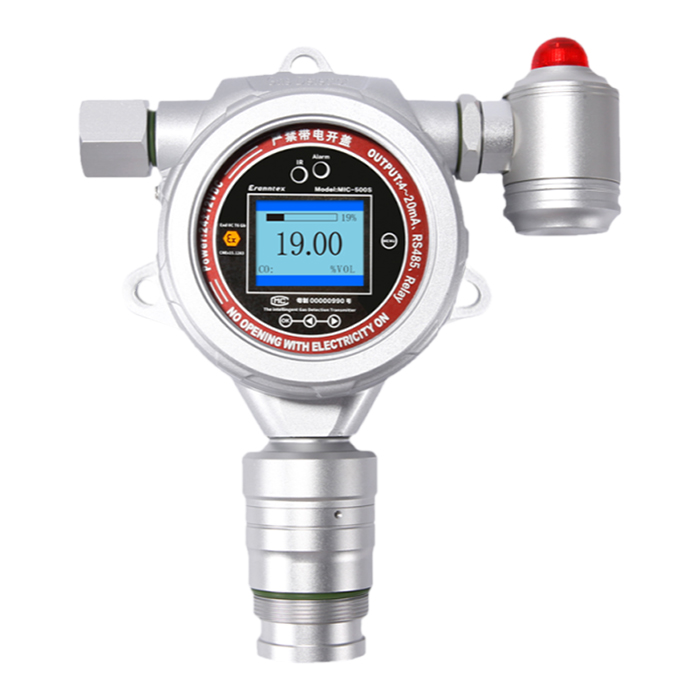
1. Superior Physical Protection and Filtration Systems
In high-humidity environments, the primary task is to prevent liquid water and fine dust from entering the instrument’s core components. High-quality four-in-one detectors typically feature an extremely high IP protection rating. This means the instrument housing employs a double-sealed design made of stainless steel or high-strength cast aluminum, combined with a specialized waterproof and breathable membrane, effectively blocking the intrusion of moisture and rain.
In addition to the housing, the design of the intake system is critical. The instrument incorporates replaceable moisture and dust filters. These filters not only trap particulate matter but also physically intercept and separate most condensation before the gas reaches the sensors, preventing damage or reduced sensitivity caused by moisture.
2. Intelligent Dynamic Temperature and Humidity Compensation Algorithm
High temperatures not only accelerate the evaporation of the electrolyte inside the sensor but also cause “thermal drift,” leading to inaccurate readings. To address this issue, modern analyzers are equipped with high-precision temperature and humidity sensors and feature a dynamic compensation algorithm.
This is akin to equipping the instrument with an “invisible air-conditioning brain.” When ambient temperatures fluctuate drastically, the algorithm monitors temperature and humidity changes in real time and applies millisecond-level corrections to the gas sensor’s output signal. For example, at high temperatures, the sensor may produce falsely elevated readings; the compensation algorithm automatically accounts for this temperature-induced error, ensuring the final displayed gas concentration is accurate and reliable. This technology enables the instrument to maintain extremely low linear error even within a wide temperature range of -40°C to 70°C.
III. Sampling Pretreatment System for Extreme High Temperatures
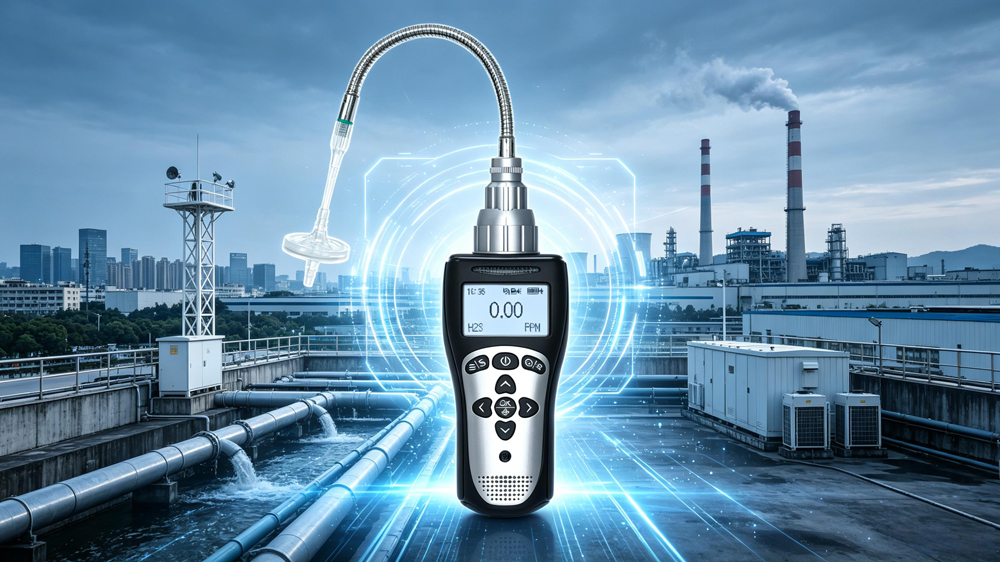
When ambient temperatures exceed the tolerance limits of the instrument’s electronic components, relying solely on the instrument’s built-in protection is insufficient. In such cases, users typically opt for a professional high-temperature sampling cooling and filtration handle or a high-temperature, high-humidity pretreatment system.
This system operates by subjecting the gas to physical cooling and secondary filtration through a specially designed long flexible hose or heat-trace tube before it enters the analyzer. The high-temperature gas cools naturally within the long tubing or passes through an external condensation unit to remove excess moisture and heat. Once the gas temperature drops to a safe range tolerable by the sensor, it is then analyzed by the four-in-one detectors. This pre-treatment solution significantly expands the application scope of the four-in-one detectors.
IV. Rigorous Maintenance and Calibration Strategies
Hardware design serves as the foundation, while scientific maintenance strategies provide the software assurance necessary for high-temperature, high-humidity environments. In such conditions, sensor aging accelerates. Therefore, for these environments, more proactive maintenance measures are recommended:
Frequent Inspections and Cleaning: Check the sensor surface weekly for condensation and use dry compressed air to blow out the filter mesh to prevent clogging.
Shorter Calibration Cycles: Change the routine quarterly calibration to monthly calibration. Frequent “zero-point calibration” and “target-point calibration” can effectively offset zero-point drift caused by accelerated aging due to high temperatures.
Strategic Storage: When equipment is not in use, store it in a dry environment with a temperature of approximately 25°C and humidity of around 50% RH, avoiding direct sunlight to extend sensor lifespan.
Through high-protection-rated hardware, intelligent compensation algorithms, professional pre-processing accessories, and scientific maintenance procedures, the four-in-one detectors is fully capable of meeting the challenges of harsh environments such as high temperature and high humidity, providing a solid guarantee for industrial safety.
Related information
-
How to Calibrate a Portable four-in-one Gas Detectors?
Portable four-in-one gas detectors are core protective equipment in the industrial safety field. However, sensors can experience z...
2026-09-18 -
What are the application scenarios for portable four-in-one gas detectors?
Portable four-in-one gas detectors typically monitor oxygen (O₂), flammable gas (LEL), carbon monoxide (CO), and hydrogen sulfide...
2026-09-16 -
Portable four-in-one Gas Detectors User Manual
The portable four-in-one gas detectors is a core piece of personal protective equipment (PPE) for ensuring the safety of personnel...
2026-09-14 -

Calibration Specifications for Ammonia gas Detectors
Calibration of ammonia gas detectors is a core step in ensuring their measurement accuracy and alarm reliability. However, ammonia...
2026-09-11 -
What is the appropriate installation height for an ammonia gas detectors?
Ammonia (NH₃) has a relative density of only 0.59, much lighter than air. This means that in the event of a leak, the gas will qu...
2026-09-09
 info@eranntexgas.com sale1@eranntexgas.com


 15914124845