
Is the calibration process for Nitrogen Oxide Detectors complicated?
Publication Date:2026/03/20Nitrogen Oxide Detectors are widely used in fields such as ambient air quality monitoring, industrial emission control, vehicle exhaust testing, and occupational health and safety. For international users, a common yet critical question is: “Is the calibration process for nitrogen oxide analyzers complicated?” The answer depends on the type of technology used, the application scenario, and the level of automation of the equipment. Overall, the calibration process for professional-grade nitrogen oxide detectors is highly standardized, and the operation itself is not complicated; however, it requires rigor and adherence to established protocols—which are essential for ensuring data compliance and reliability.
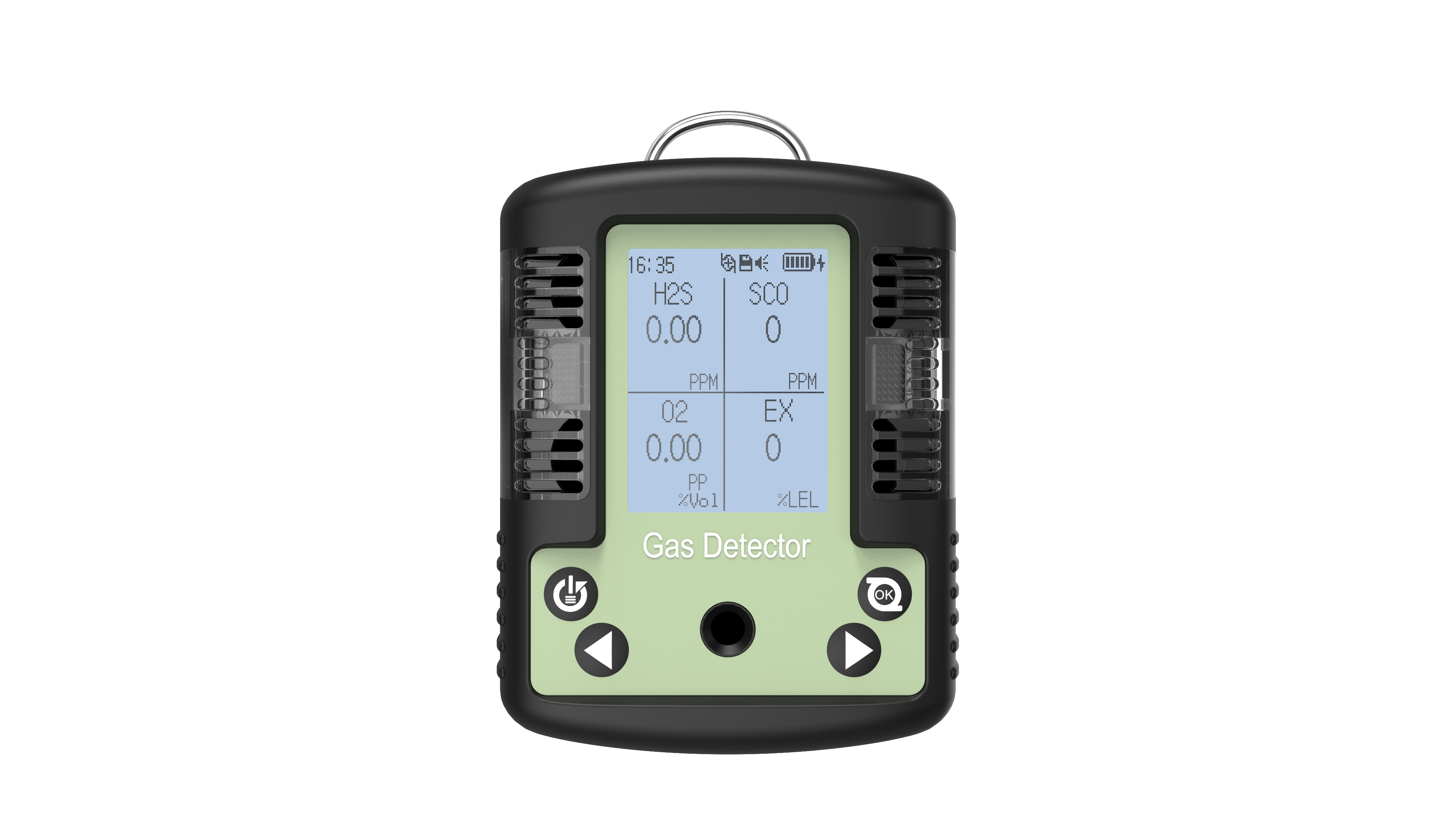
First, it is essential to understand how detection technology influences calibration methods. Current mainstream NOₓ detection technologies include electrochemical sensors, chemiluminescence, ultraviolet absorption spectroscopy, and laser spectroscopy. Electrochemical sensors are most common in portable safety monitoring devices, while CLD or optical methods are typically used in fixed environmental monitoring stations or CEMS. Calibrating electrochemical sensors is relatively simple: typically, only a single standard gas is required, and span adjustment can be completed by initiating “single-point calibration” through the instrument menu. The entire process takes 5–10 minutes, and operators can master it after brief training. While CLD systems offer high accuracy, they require simultaneous calibration of both NO and NO₂ channels and involve switching between zero gas and standard gas, resulting in a slightly longer process. However, most modern devices support automatic calibration sequences, significantly reducing the need for human intervention.
Second, the frequency of calibration and the standardization of preparatory work are more critical than the operation itself. According to international standards such as EPA Method 7E and EN 14181, NOₓ analyzers used for compliance monitoring must perform daily automatic zero/span checks, weekly manual verification, and quarterly third-party audits. Even so, the daily calibration process itself is not cumbersome: users simply need to connect a certified standard gas cylinder, ensure a stable flow rate, and confirm or adjust the readings once they have stabilized. The key lies in gas traceability—standard gases must be accompanied by NIST or ISO 17025 certification certificates that are not expired; pressure regulators and tubing must be clean and leak-free to prevent cross-contamination. These preparatory steps may seem like minor details, but they are prerequisites for the validity of the calibration.
Third, smart features significantly simplify the calibration experience. Many next-generation NOx analyzers are equipped with automatic calibration reminders, built-in pump control, calibration log storage, and Bluetooth/Wi-Fi data upload capabilities. Some devices even support a “one-click calibration” mode: after inserting the calibration gas, the instrument automatically identifies it, samples, calculates the deviation, and completes the correction. Furthermore, for indirect NO₂ measurements (such as those based on the NO + O₃ reaction to generate excited-state NO₂ followed by photometric detection), the system automatically compensates for conversion efficiency, eliminating the need for manual user calculations. These design features greatly lower the operational threshold, making them particularly suitable for field technicians or use in non-laboratory environments.
Of course, challenges remain. For example, NO is easily oxidized by oxygen to form NO₂, so calibration gases must be prepared fresh for immediate use or use special stabilized formulations; high humidity may affect the response of electrochemical sensors, requiring calibration under dry conditions; and fixed stations operating long-term also require periodic cleaning of optical windows or reaction chambers. However, these issues all have established solutions and do not constitute complex obstacles; they primarily involve following established procedures.
Finally, from a personnel perspective, the complexity of calibrating nitrogen oxide detectors depends more on training than on the technology itself. Guidelines such as those from OSHA and the EU BREF emphasize that operators should receive training from manufacturers or accredited bodies to understand calibration principles, gas safety, and documentation requirements. Once the basic procedures are mastered, calibration becomes part of routine maintenance rather than a technical challenge.
In summary, the calibration process for nitrogen oxide detectors is not complex at the operational level, especially as it has been greatly simplified with the support of modern equipment. The real focus lies in compliance, gas quality, and the integrity of records. For international users, as long as they select appropriate technology, use certified reference gases, follow manufacturer guidelines, and maintain regular maintenance, they can efficiently and reliably complete calibration, ensuring that NOₓ data possesses sufficient credibility in safety, environmental, or compliance contexts.
Related information
-
How to Calibrate a Portable four-in-one Gas Detectors?
Portable four-in-one gas detectors are core protective equipment in the industrial safety field. However, sensors can experience z...
2026-09-18 -
What are the application scenarios for portable four-in-one gas detectors?
Portable four-in-one gas detectors typically monitor oxygen (O₂), flammable gas (LEL), carbon monoxide (CO), and hydrogen sulfide...
2026-09-16 -
Portable four-in-one Gas Detectors User Manual
The portable four-in-one gas detectors is a core piece of personal protective equipment (PPE) for ensuring the safety of personnel...
2026-09-14 -

Calibration Specifications for Ammonia gas Detectors
Calibration of ammonia gas detectors is a core step in ensuring their measurement accuracy and alarm reliability. However, ammonia...
2026-09-11 -
What is the appropriate installation height for an ammonia gas detectors?
Ammonia (NH₃) has a relative density of only 0.59, much lighter than air. This means that in the event of a leak, the gas will qu...
2026-09-09
 info@eranntexgas.com sale1@eranntexgas.com


 15914124845