
Interpreting Readings from a Four-in-One detectors
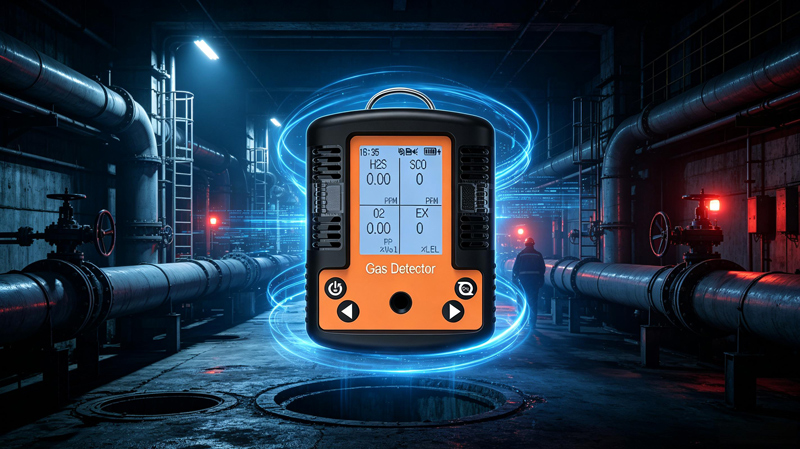
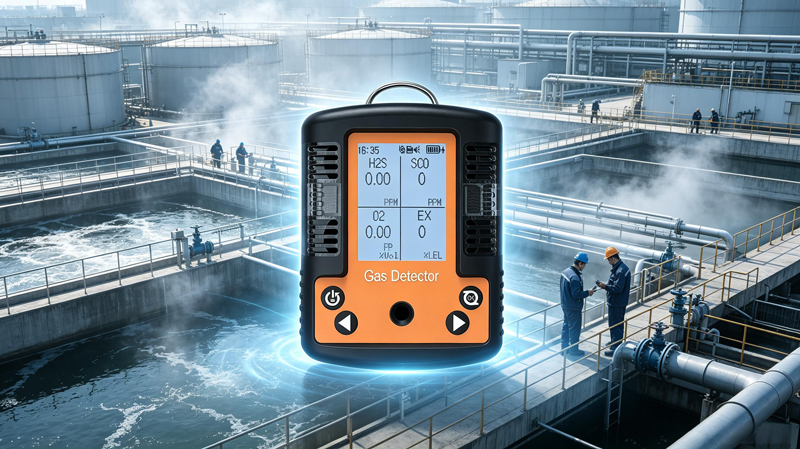
Publication Date:2026/03/18The four-in-one detectors is one of the most commonly used portable devices in industrial safety, confined space entry, and emergency response worldwide. It typically monitors four critical gases simultaneously: combustible gases, oxygen, carbon monoxide, and hydrogen sulfide. For international users, correctly interpreting the displayed readings is not only a part of operational proficiency but also the foundation for assessing risks, taking action, and ensuring compliance. Below, the Yiyuntian Eranntex editorial team will break down the meaning of each gas reading, its safety thresholds, and practical application scenarios.
First, let’s look at combustible gases. This channel displays the concentration of combustible gases in the environment as a percentage of their lower explosive limit (LEL), measured in % LEL. For example, the lower explosive limit (LEL) for methane is 5% by volume (vol). When the four-in-one detector displays “10% LEL,” it indicates that the current methane concentration is approximately 0.5% vol. Internationally recognized safety thresholds are typically set at 10% LEL and 20% LEL. Once these thresholds are reached or exceeded, it indicates a risk of fire or explosion, and operations must be stopped immediately, the area ventilated, and the source of the leak investigated. Note: LEL readings are “methane-equivalent values.” If the environment contains other flammable gases such as propane or hydrogen, the actual explosion risk may be higher; adjustments should be made using the relative response factors provided in the device manual.
Next is oxygen, measured in % vol (volume percent). Normal atmospheric oxygen content is approximately 20.9% vol. According to OSHA and HSE standards, levels below 19.5% vol are considered hypoxic environments, while levels above 23.5% vol are considered hyperoxic environments; both will trigger alarms. Hypoxia can lead to dizziness, loss of consciousness, or even suffocation; Oxygen enrichment significantly lowers the flash point of materials, allowing even a common spark to ignite a violent fire. Therefore, oxygen readings serve not only as an indicator of “sufficient air for breathing” but also as a barometer of overall environmental safety. If O₂ levels are abnormal, the situation should be considered high-risk even if other gas readings are normal.
Third is carbon monoxide, typically measured in ppm. This is a colorless, odorless toxic gas primarily produced by incomplete combustion. The OSHA-mandated 8-hour time-weighted average exposure limit is 50 ppm, while the short-term exposure limit is typically 200 ppm. Most four-in-one detectors are set to trigger an alarm at 35 ppm for low levels and 100–200 ppm for high levels. It is worth noting that CO binds to hemoglobin more than 200 times more effectively than oxygen; even at low concentrations, prolonged exposure can lead to chronic poisoning. Therefore, any sustained reading above 25 ppm should be taken seriously.
Finally, there is hydrogen sulfide, also measured in ppm. This gas has a “rotten egg” odor, but at concentrations exceeding approximately 100 ppm, it rapidly paralyzes the olfactory nerves, causing people to “lose their sense of smell,” making it extremely deceptive. H₂S is extremely toxic: 10 ppm is the 8-hour exposure limit in most countries; 50–100 ppm can cause eye irritation and headaches; and concentrations above 500 ppm can be fatal within minutes. four-in-one detectors are typically set to trigger an alarm at 10 ppm for low levels and 15–20 ppm for high levels. In industries such as petroleum, wastewater treatment, and papermaking, H₂S is the primary substance to monitor. If an alarm sounds, personnel must evacuate immediately and wear a positive-pressure respirator.
In addition to individual readings, users should also monitor trends. For example, a slow rise in LEL may indicate a small leak; a gradual drop in O₂ may signal the accumulation of inert gases; and fluctuations in CO or H₂S readings may reflect intermittent emission sources. Four-in-one detectors often offer data logging, peak hold, and wireless transmission capabilities, facilitating post-event analysis and risk tracing.
Finally, a reminder: All readings depend on the device’s calibration status and sensor health. Uncalibrated or aging sensors may provide a false sense of security. It is recommended to perform a function test before each use, calibrate at least once a month, and replace sensors regularly.
In summary, the readings from a four-in-one detectors are not isolated numbers, but rather the language of environmental risk. Only by understanding the scientific implications, safety thresholds, and action protocols behind each reading can we truly transform technology into a tool for protecting lives. For professionals, accurately interpreting this data is not only a demonstration of professional competence but also a concrete commitment to team safety.
Related information
-
How to Calibrate a Portable four-in-one Gas Detectors?
Portable four-in-one gas detectors are core protective equipment in the industrial safety field. However, sensors can experience z...
2026-09-18 -
What are the application scenarios for portable four-in-one gas detectors?
Portable four-in-one gas detectors typically monitor oxygen (O₂), flammable gas (LEL), carbon monoxide (CO), and hydrogen sulfide...
2026-09-16 -
Portable four-in-one Gas Detectors User Manual
The portable four-in-one gas detectors is a core piece of personal protective equipment (PPE) for ensuring the safety of personnel...
2026-09-14 -

Calibration Specifications for Ammonia gas Detectors
Calibration of ammonia gas detectors is a core step in ensuring their measurement accuracy and alarm reliability. However, ammonia...
2026-09-11 -
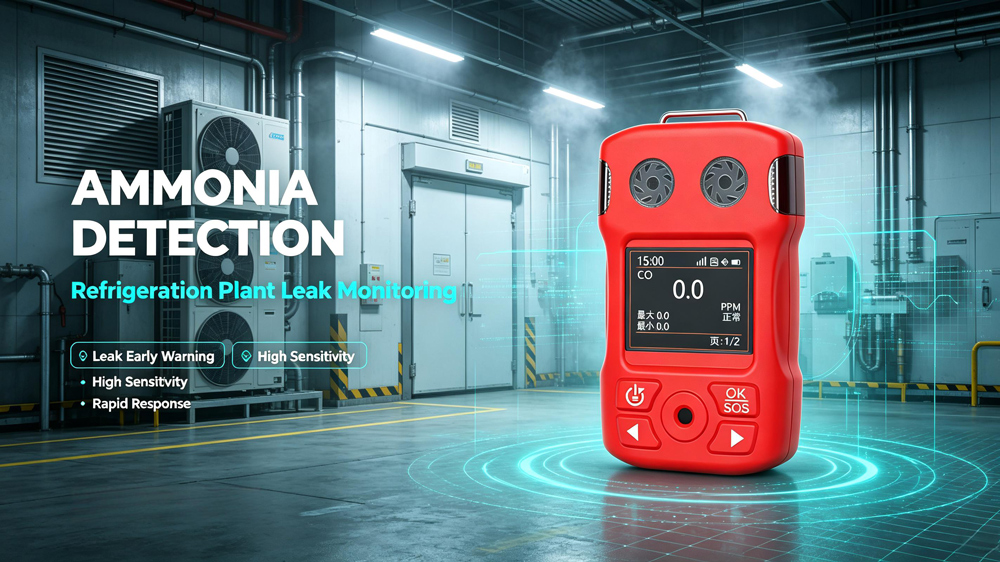
What is the appropriate installation height for an ammonia gas detectors?
Ammonia (NH₃) has a relative density of only 0.59, much lighter than air. This means that in the event of a leak, the gas will qu...
2026-09-09
 info@eranntexgas.com sale1@eranntexgas.com


 15914124845