
What are the common misconceptions of gas detectors?
Publication Date:2021/06/01As we all know, the gas detector is the 1 instrument used to detect changes in the concentration of harmful gases on the job site. However, when using gas detectors, problems may be encountered that they cannot be used or are damaged. In the case of choosing a regular manufacturer, the quality factor is only part of it, and most of it is caused by improper selection and improper use. So what are the common misconceptions of gas detectors?
Acceptance of errors: the use of high concentrations of gas for testing.
Analysis: Many customers like to test high-concentration gases at will during the acceptance process, which is not strict and can easily cause damage to the instrument. The detection range of combustible gas detector is 0~100 LEL, that is, the lower explosive limit (taking methane as an example, 0 ~ 5% vol), while the lighter gas is high purity butane, which far exceeds the detection range of combustible gas detector!
When testing with lighter gas, the sensor will be impacted by 2 to 3 times or even higher concentration, which will cause early attenuation or deactivation of the chemical activity of the sensor element, resulting in reduced detection accuracy and sensitivity; In severe cases, the platinum wire will be burned and the sensor will be scrapped. It is worth noting that the sensor failure caused by the impact of high concentration gas, the manufacturer's warranty is not in place, and it needs to be replaced at its own expense.
Conclusion: Be careful with the lighter to deflate and test the combustible gas detector! The gas detector should avoid high concentration impact, and the inspection working conditions should be tested with standard gas. The same is true for toxic gases, and high-concentration gas shocks should also be avoided.
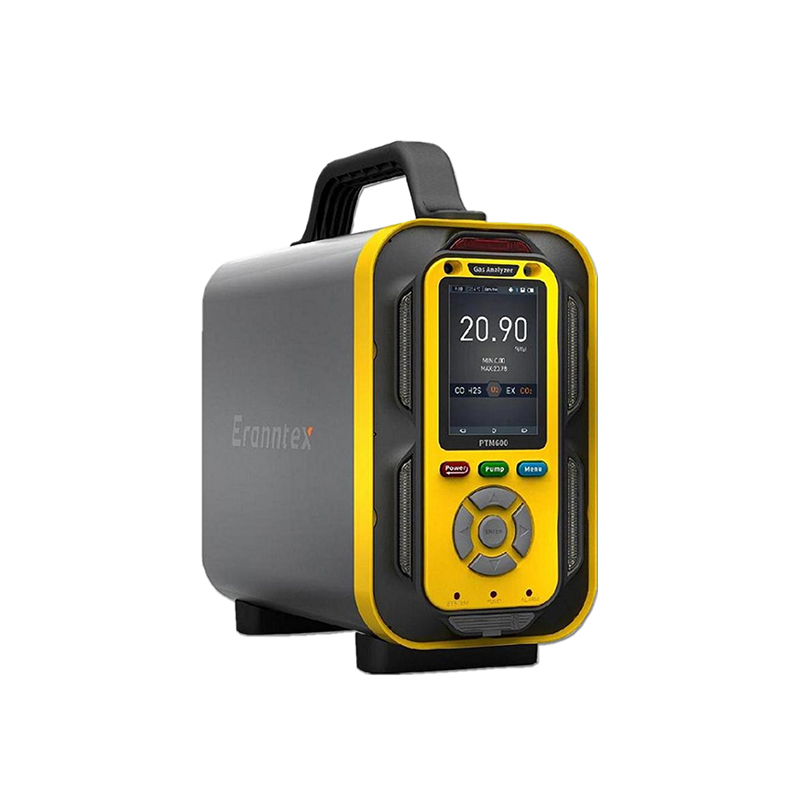
2. misconception: organic gas as combustible gas detection.
Analysis: Most combustible gas detectors on the market use the principle of catalytic combustion. The principle of catalytic combustion is to use combustible gas to produce low-temperature flameless combustion on the catalytic detection element. The heat of combustion causes the temperature of the element to rise, thereby increasing the resistance of the element. The concentration of combustible gas can be detected by detecting the change of its resistance value through the Wheatstone bridge.
Although in principle, as long as it can burn and release heat, it can be detected. It is often said that catalytic combustion sensors can theoretically measure any combustible gas.
However, catalytic combustion sensors are not suitable for measuring long-chain alkanes, such as gasoline, diesel, aromatics, etc. Benzene, toluene, xylene and other compounds with more than 5 carbon atoms, especially hydrocarbon compounds with benzene ring structure, have strong carbon chains, are difficult to break under catalytic combustion, cannot be completely burned, and molecules that cannot be completely burned are accumulated on the surface of catalytic beads. Carbon accumulation phenomenon occurs to prevent the combustion of other molecules. After carbon accumulation to a certain extent, combustible gas cannot effectively contact with catalytic beads, and the detection is not sensitive, there is no response phenomenon. This is determined by the properties of the sensor itself, is the early selection error.
Conclusion: Ordinary benzene, alcohol, lipid, amine and other organic volatile gases should not be detected by catalytic combustion principle, and PID light ion principle should be used for detection. Before purchasing a gas detector, you must consult with the product company to avoid similar errors.
Related information
-
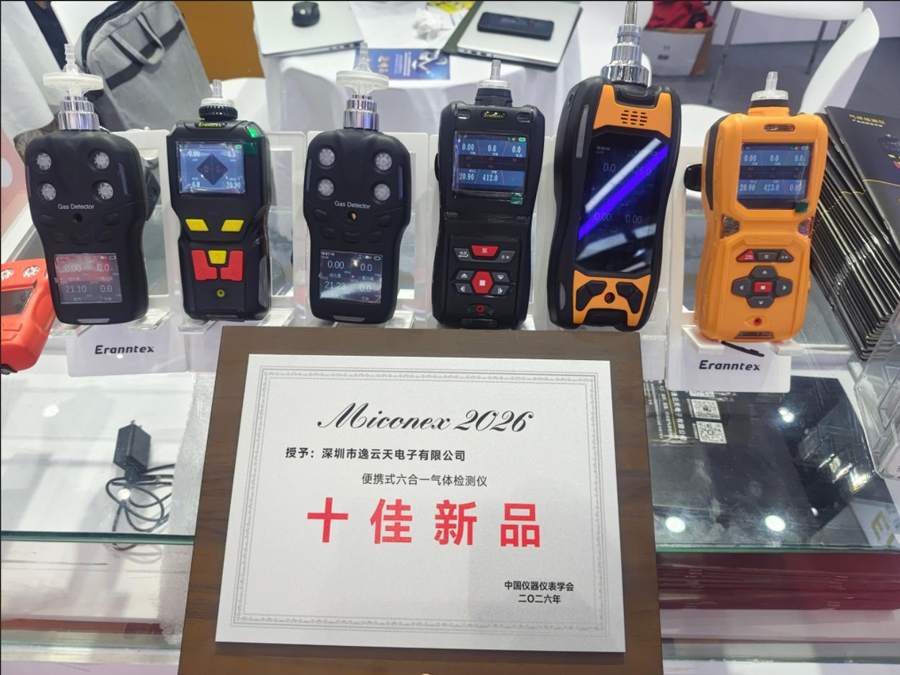
Outstanding Performance! Yiyuntian Eranntex 6-in-1 Gas Detector Wins MICONEX 2026 Top Ten New Products Award
From August 12th to 14th, 2026, the 34th China International Measurement Control and Instrumentation Exhibition (MICONEX 2026) was...
2026-08-24 -
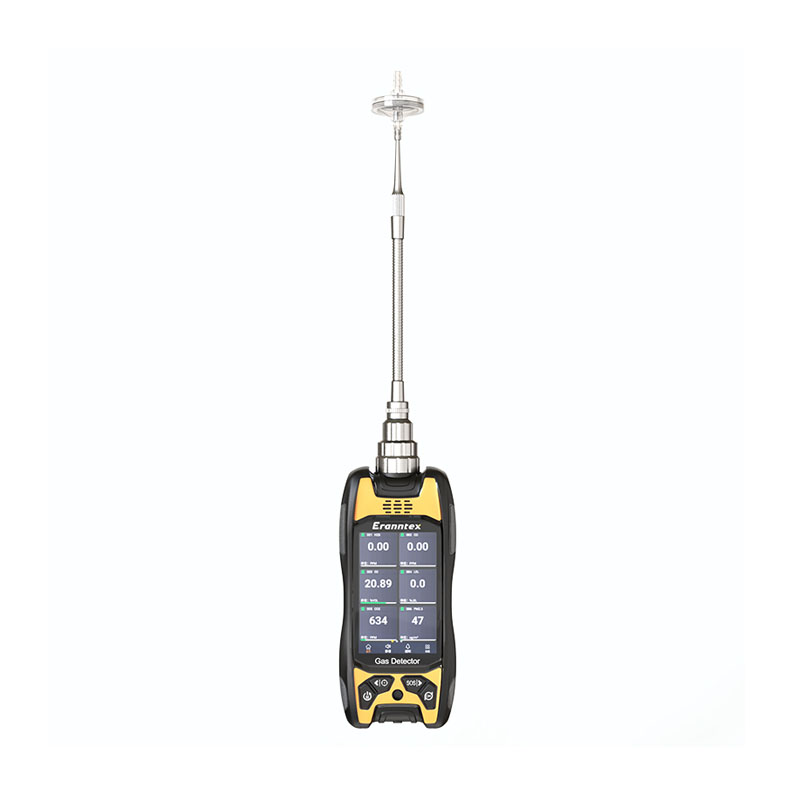
Yiyuntian Eranntex 5th Yangtze River Delta Emergency Expo Concludes Successfully
As late spring arrived in Shanghai, the grand event came to a close. From May 7 to 9, 2026, the 5th Yangtze River Delta Internatio...
2026-05-11 -
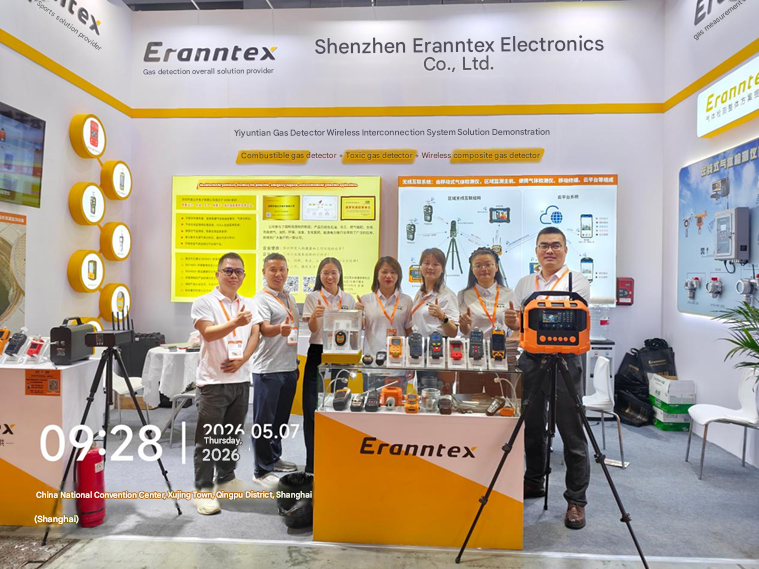
Yiyuntian Eranntex exhibits made their debut at the 2026 Shanghai Emergency Response and Disaster Reduction Expo, drawing massive crowds
On May 7, 2026, the 5th Yangtze River Delta International Emergency, Disaster Reduction, and Rescue Expo (EDRR) grandly opened at ...
2026-05-08 -
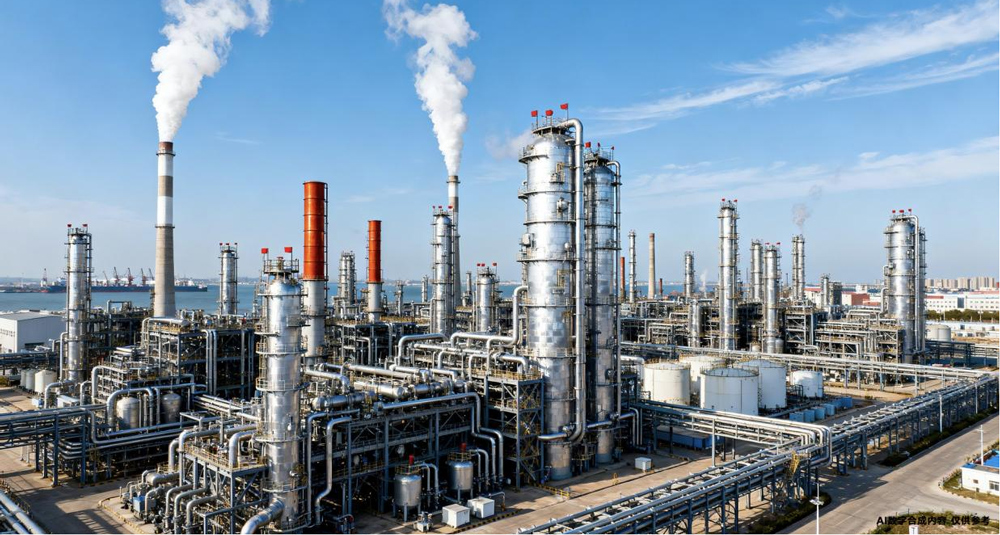
Yiyuntian Eranntex Portable 4-in-1 Gas Detectors: Enhancing On-Site Safety Management for Petrochemical Production Enterprises!
The petrochemical industry involves numerous production processes and complex operational scenarios. Areas such as plant facilitie...
2026-04-30 -

Yiyuntian Eranntex Invites You to the 2026 Shanghai Emergency Response and Disaster Reduction Expo
As spring draws to a close, Shanghai is set to host a major event. From May 7 to 9, 2026, the 5th Yangtze River Delta Internationa...
2026-04-29



 info@eranntexgas.com sale1@eranntexgas.com


 15914124845