
Introduction of Common Units and Common Terms of Gas Detector
Publication Date:2021/11/10 With the importance and development of environmental quality in China, gas detector has become a very popular instrument and equipment for many enterprises. It can be widely used in environmental protection, aerospace, metallurgy, petrochemical, chemical industry, energy, food, agriculture, transportation, water conservancy, construction, pharmacy, brewing and scientific research and many other industries to detect gas concentration values, so as to better solve the people's work safety and life safety. However, we often involve some common units and common terms in the use of gas detectors. Do you know the common units and terms of gas detector ? The following is a brief introduction by yi yun Tian:

1. common units
(I) VOL: refers to the concentration volume ratio of the mixed gas. This unit is used when detecting carbon dioxide and oxygen;
(II) 2)%LEL: refers to the percentage of the lower explosive limit of combustible gas. That is, when the gas is mixed with air, the minimum ignition energy is encountered and the lowest concentration of explosion occurs.
(III) UEL: The highest concentration value produced by the explosion caused by the flammable gas mixed with air.
(IV) PPM:PPM is English part per Abbreviation for million, which means parts per million, volume concentration (ppm), which means the volume of pollutants contained in one million volumes of air.
(V) gas molar volume: the volume occupied by gas per unit of substance, symbol Vm, commonly used unit L/mol Or m3/mol. Under standard conditions (0 C, 101KP state),1mol any gas volume is about 22.4L.
our national standards are also expressed in mass concentration units (e. g. mg/m3).
2. common terms
(I) sensitivity: refers to the degree to which the instrument senses changes in gas concentration.
(II) detection accuracy: refers to the comprehensive performance including the correctness and accuracy of the displayed value (or the indicated value of the measurement result) of the gas detector.
(III) alarm accuracy: refers to the difference between the alarm set value and the gas concentration at the time of the alarm or the value expressed as a percentage of the difference and the alarm set value.
(IV) response time: When the concentration of the test gas changes instantaneously, the indicated value is controlled within a specific range of the final value.
(V) Repeatability: When the same method is used to repeatedly measure the same detection target gas under the same conditions and in a relatively short period of time, the measured values are the same.
To sum up, it is the common unit and common term of gas detector. By understanding and understanding these common units and common terms, we can help us to better use the gas detector, which can more accurately display the concentration of toxic and harmful gases on site, reduce hidden dangers and avoid accidents.
Related information
-
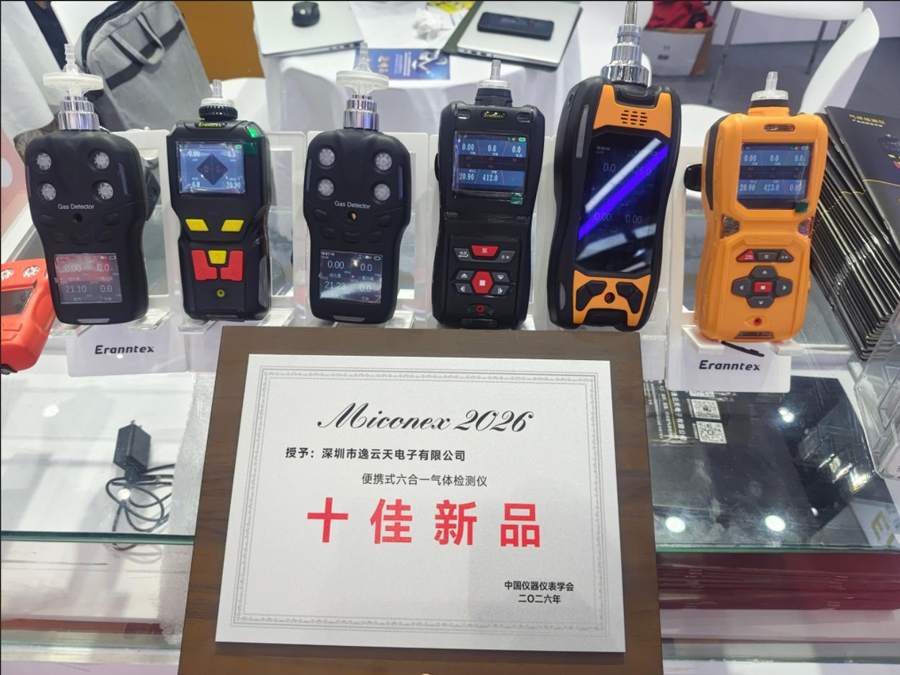
Outstanding Performance! Yiyuntian Eranntex 6-in-1 Gas Detector Wins MICONEX 2026 Top Ten New Products Award
From August 12th to 14th, 2026, the 34th China International Measurement Control and Instrumentation Exhibition (MICONEX 2026) was...
2026-08-24 -
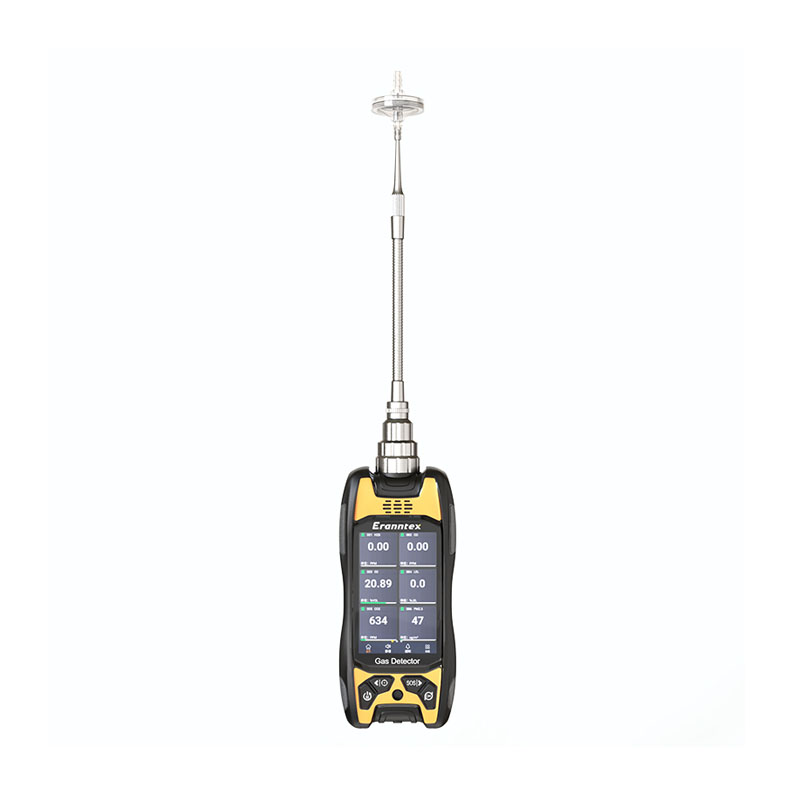
Yiyuntian Eranntex 5th Yangtze River Delta Emergency Expo Concludes Successfully
As late spring arrived in Shanghai, the grand event came to a close. From May 7 to 9, 2026, the 5th Yangtze River Delta Internatio...
2026-05-11 -
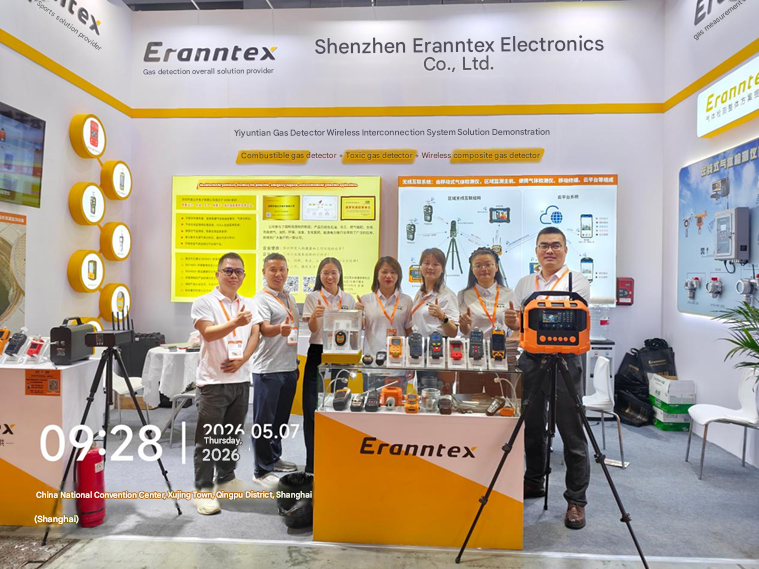
Yiyuntian Eranntex exhibits made their debut at the 2026 Shanghai Emergency Response and Disaster Reduction Expo, drawing massive crowds
On May 7, 2026, the 5th Yangtze River Delta International Emergency, Disaster Reduction, and Rescue Expo (EDRR) grandly opened at ...
2026-05-08 -
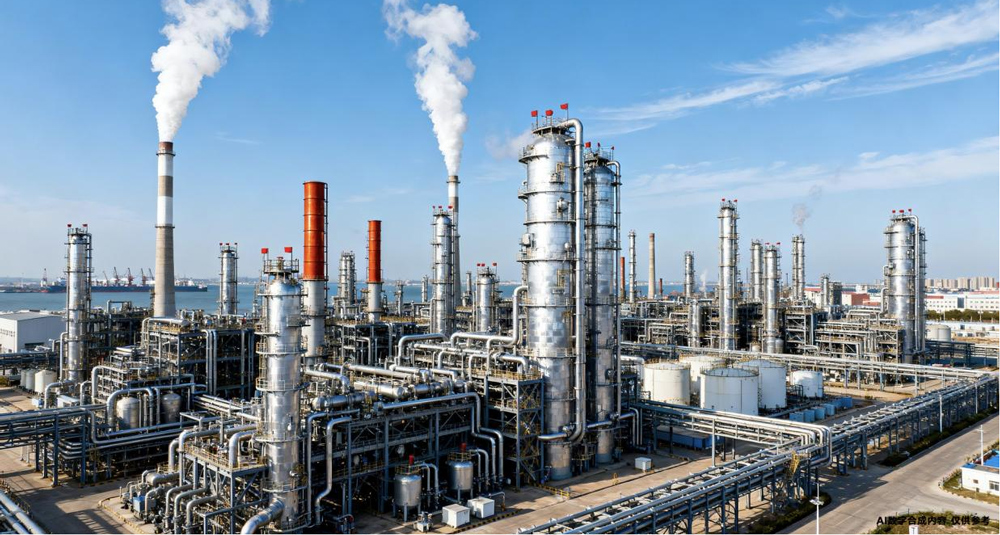
Yiyuntian Eranntex Portable 4-in-1 Gas Detectors: Enhancing On-Site Safety Management for Petrochemical Production Enterprises!
The petrochemical industry involves numerous production processes and complex operational scenarios. Areas such as plant facilitie...
2026-04-30 -
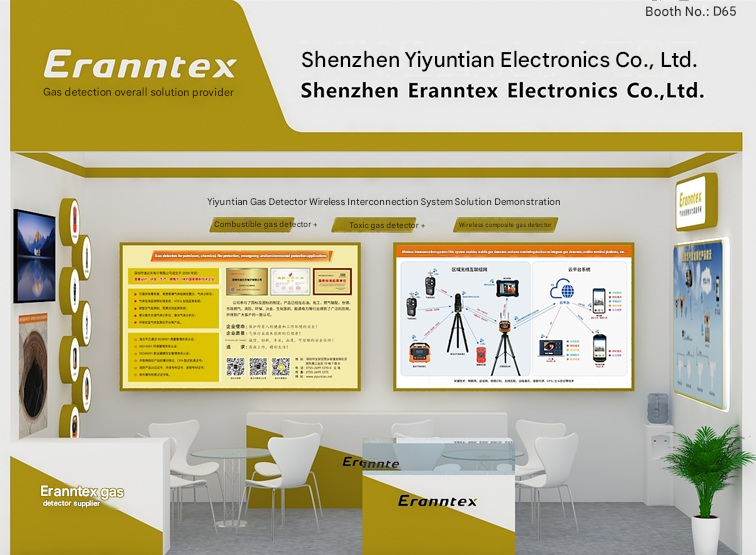
Yiyuntian Eranntex Invites You to the 2026 Shanghai Emergency Response and Disaster Reduction Expo
As spring draws to a close, Shanghai is set to host a major event. From May 7 to 9, 2026, the 5th Yangtze River Delta Internationa...
2026-04-29


 info@eranntexgas.com sale1@eranntexgas.com


 15914124845