
National Standard Specification and Requirements for Installation of Combustible Gas Alarm
Publication Date:2022/10/19 In order to better prevent some of the hazards caused by gas leaks, we all need to install combustible gas alarms. The main function of combustible gas alarm in order to prevent harmful, toxic, flammable, explosive gas leakage in the use of the process, once the leakage of toxic gas can alarm device. Do you know the installation specifications and requirements of the national standard combustible gas alarm ? The following is an introduction:

Installation Specification for 1. Combustible Gas Alarm
(1) Articles 3, 0 and 7: the detector should be arranged on the windward side of the minimum frequency wind direction of the combustible gas or toxic gas release source.
(2) articles 3, 0 and 8: the effective horizontal plane radius of combustible gas alarm should be 7,5 m indoors and 15m outdoors. Within the effective coverage area, a detector may be provided. The distance between the toxic gas detector and the release source should not be greater than 2m outdoors and 1m indoors.
(3) articles 3, 0 and 9: places where combustible gas or toxic gas detection and alarm devices should be set up should be of fixed type; When there are no conditions for setting up a fixed type, a portable gas detector shall be equipped.
(4) articles 3, 0 and 10: combustible gas and toxic gas detection and alarm systems should be relatively independent instrument systems.
(5) articles 4, 1 and 2: when the detection point is located on the windward side of the minimum frequency wind direction of the release source in the open or semi-open equipment area, the distance between the combustible gas detection point and the release source should not be more than 15m, the distance between the toxic gas detection point and the release source should not be greater than 2m; when the detection point is located at the downwind side of the minimum frequency wind direction of the release source, the distance between the combustible gas detection point and the release source should not be greater than 5m, and the distance between the toxic gas detector detection point and the release source should be less than 1m.
(6) articles 4, 1 and 3: when the combustible gas release source is in a closed or semi-closed plant, a gas detector can be set every 15m, and the detector should not be more than 7 or 5m from any release source. The toxic gas detector should not be more than 1m away from the release source.
(7) articles 4, 1 and 5: if the combustible gas release source lighter than air is in a closed or semi-closed plant, a detector shall be set above the release source, and a detector shall also be set at the highest point in the plant where combustible gas is easy to accumulate.
(8) articles 4, 3 and 4: detectors should be set up in the following places not within the effective coverage area of the detector: ① process devices that use or produce liquefied hydrocarbons/or toxic gases, storage and transportation facilities and other pits where combustible gas and toxic gas may accumulate and on the ground at the lowest point of the drainage ditch. ② Easy to accumulate Class A gas, toxic gas "dead angle".
(9) articles 6, 1 and 1: the installation height of the detector for detecting combustible gas or toxic gas heavier than air shall be 0,3 to 0,6 m from the floor (or floor).
(10) articles 6, 1 and 2: detectors for detecting combustible or toxic gases lighter than air should be installed at a height of 0, 5 to 2m higher than the release source.
Installation Requirements for Combustible Gas Alarm:
1. Explosion-proof requirements
br>
If the working environment contains explosive mixtures, install explosion-proof electrical equipment as required. In other words, the combustible gas alarm needs to have explosion-proof function.If installed in the kitchen in the apartment, use a non-explosion-proof detector.
2. Installation location
span> No matter what kind of gas detector, the installation position of the combustible gas alarm is determined according to the characteristics of the measured gas. If the detected gas is heavier than air, the detector should be installed near the ground 30-60cm, where the leakage gas gathers. If it is lighter than air, it is installed close to the roof and 0, 5-2 meters away from the leak source.
3. Installation Environment
span> Whether the installation environment is indoor or outdoor, combustible gas alarm installation specifications and requirements in addition to pay attention to waterproof, dustproof, anti-oil, anti-strong electromagnetic interference, but also pay attention to the temperature, humidity, pressure, wind direction and other factors affecting the test results.
4. Wiring requirements
In order to ensure the stability of the detector power supply and the accuracy of signal transmission, when installing and fixing combustible gas alarms, there are also strict requirements for wiring.
To sum up, it is the national standard for combustible gas alarm installation specifications and requirements. Combustible gas alarm is widely used in petroleum, gas, chemical, oil depot and other dangerous gas petrochemical industry, mainly used for indoor and outdoor dangerous environment leakage detection, is the key equipment to ensure production and personal safety.Through the correct installation, we can ensure the normal operation of the combustible gas alarm, so as to better ensure our personal safety.
Related information
-
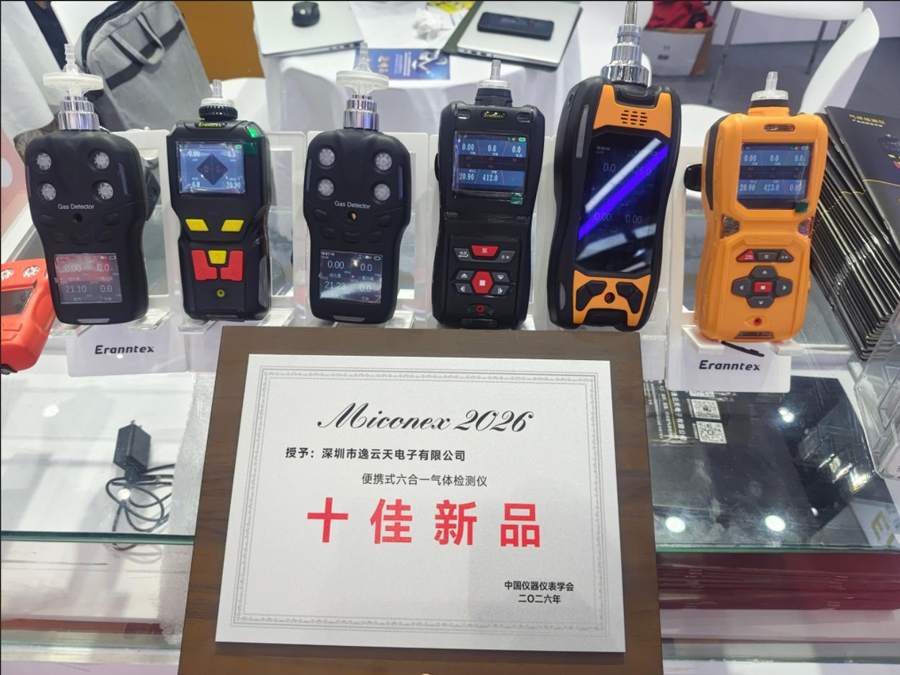
Outstanding Performance! Yiyuntian Eranntex 6-in-1 Gas Detector Wins MICONEX 2026 Top Ten New Products Award
From August 12th to 14th, 2026, the 34th China International Measurement Control and Instrumentation Exhibition (MICONEX 2026) was...
2026-08-24 -
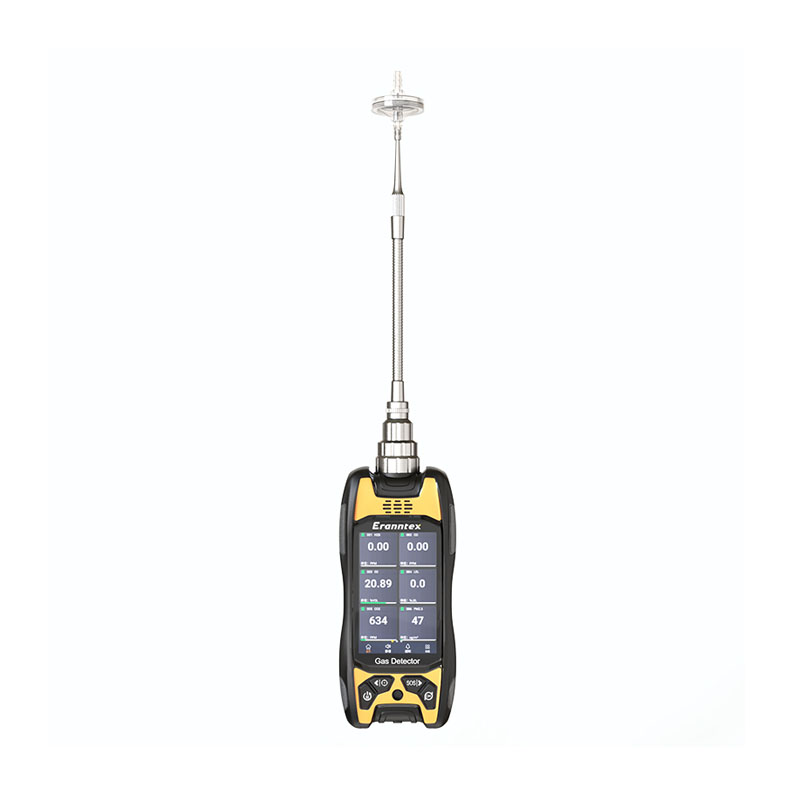
Yiyuntian Eranntex 5th Yangtze River Delta Emergency Expo Concludes Successfully
As late spring arrived in Shanghai, the grand event came to a close. From May 7 to 9, 2026, the 5th Yangtze River Delta Internatio...
2026-05-11 -
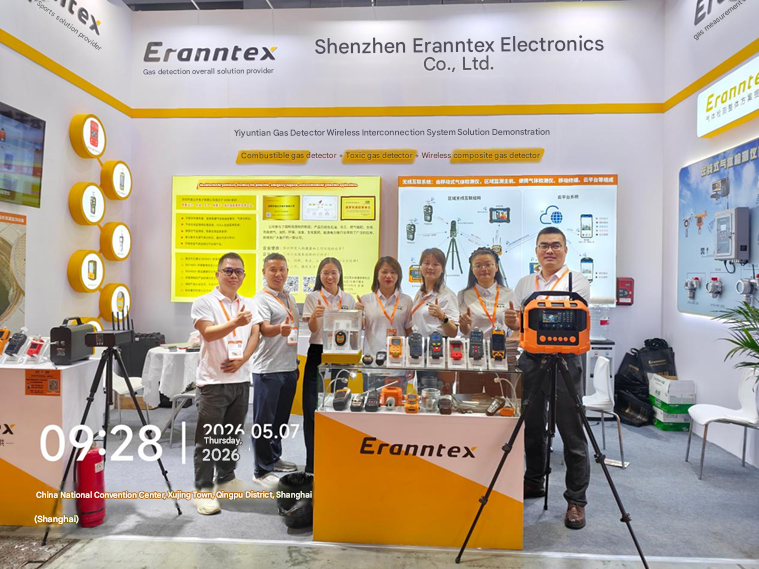
Yiyuntian Eranntex exhibits made their debut at the 2026 Shanghai Emergency Response and Disaster Reduction Expo, drawing massive crowds
On May 7, 2026, the 5th Yangtze River Delta International Emergency, Disaster Reduction, and Rescue Expo (EDRR) grandly opened at ...
2026-05-08 -
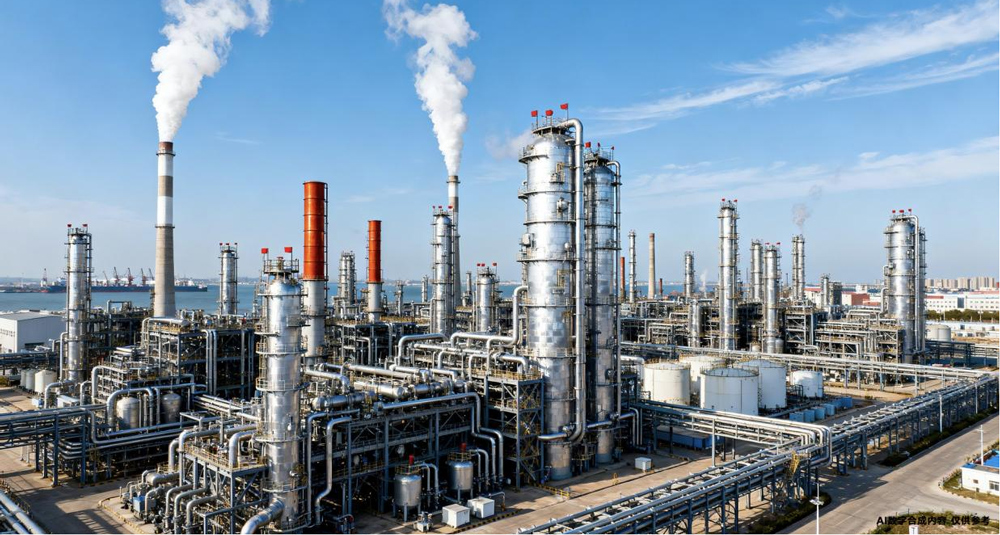
Yiyuntian Eranntex Portable 4-in-1 Gas Detectors: Enhancing On-Site Safety Management for Petrochemical Production Enterprises!
The petrochemical industry involves numerous production processes and complex operational scenarios. Areas such as plant facilitie...
2026-04-30 -

Yiyuntian Eranntex Invites You to the 2026 Shanghai Emergency Response and Disaster Reduction Expo
As spring draws to a close, Shanghai is set to host a major event. From May 7 to 9, 2026, the 5th Yangtze River Delta Internationa...
2026-04-29

 info@eranntexgas.com sale1@eranntexgas.com


 15914124845