
What does lel mean in combustible gas detector?
Publication Date:2022/03/10 As we all know, the combustible gas detected by the combustible gas detector contains alkanes (such as methane, ethane, propane, isobutane, etc.), hydrocarbons (such as polyalkanes), alcohols (such as methanol, ethanol, etc.), aldehydes (such as formaldehyde, etc.), benzene (such as toluene, xylene, etc.), acetylene, volatile organic compounds, etc. In the process of detecting these combustible gases, we usually involve some professional terms, such as Lel. Do you know what lel means in Combustible Gas Detector ? The following is a brief introduction by yi yun Tian:

lel in combustible gas detector refers to the lower explosive limit of gas, which is a technical word for combustible gas.
when the concentration of combustible gas in the air reaches its lower explosion limit, we call the explosion risk of the combustible gas environment in this place 100%, I .e. 100 LEL.
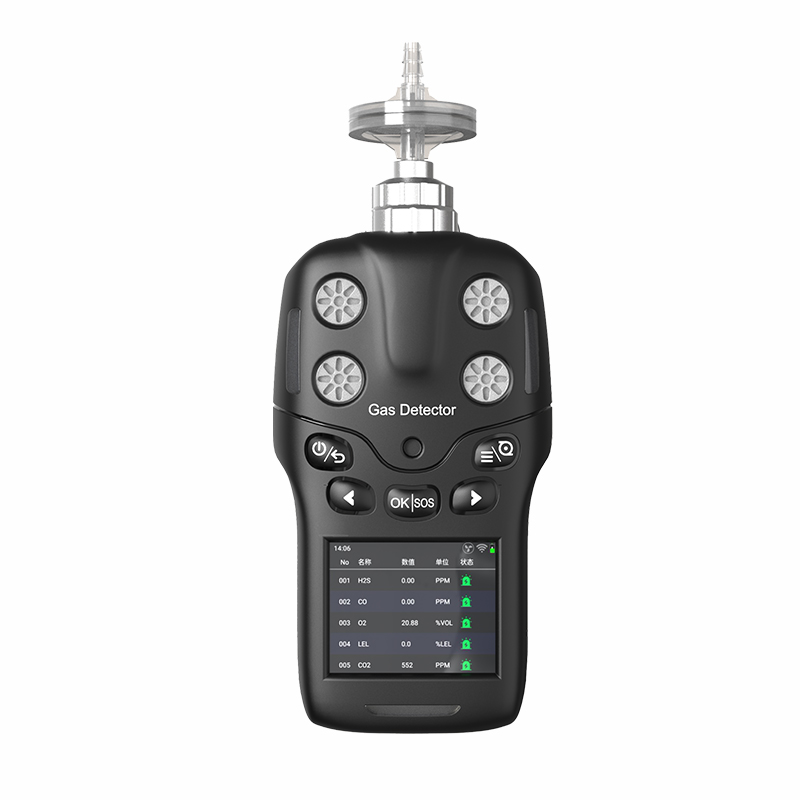
if the content of combustible gas reaches only 10% of its lower explosion limit, we call the explosion risk of combustible gas environment in this place 10% LEL at this time. The monitoring of combustible gas in ambient air often directly gives the hazard of combustible gas environment, that is, the content of the combustible gas in the air and the percentage of its lower explosive limit to express: [%LEL].
when combustible gas and combustible liquid vapor (or combustible dust) are mixed with air and reach a certain concentration, an explosion will occur when encountering a fire source. this concentration range that can explode is called the explosion limit.
The lower explosive limit of each gas is different. For example, the explosion limit of hydrogen: the lower limit is 4.0, the upper limit is 74.2, and combustion and explosion occur when air and open flame are encountered. 4.0% is the low volume fraction of hydrogen that encounters open fire explosion, which is less than this bottom line. If open fire does not burn, it will not explode. 74.2% is the highest limit (or upper limit) of high volume fraction. When the volume fraction is higher than this limit, it can burn safely in air and open flame, and there will be no explosion. In short, the volume fraction below or below the explosion limit range, the case of open fire will not explode.
Therefore, you don't have to worry about whether there will be danger at any time after the combustible gas detector alarms. It is still a certain distance from reaching the explosion. Take appropriate measures immediately, such as opening the exhaust fan or cutting off 1 valves or opening the spray system, the danger of explosion will not appear. There is still a big gap from the lower explosion limit where danger is really possible to give an alarm, so that it will play the role of alarm prompt.
Related information
-
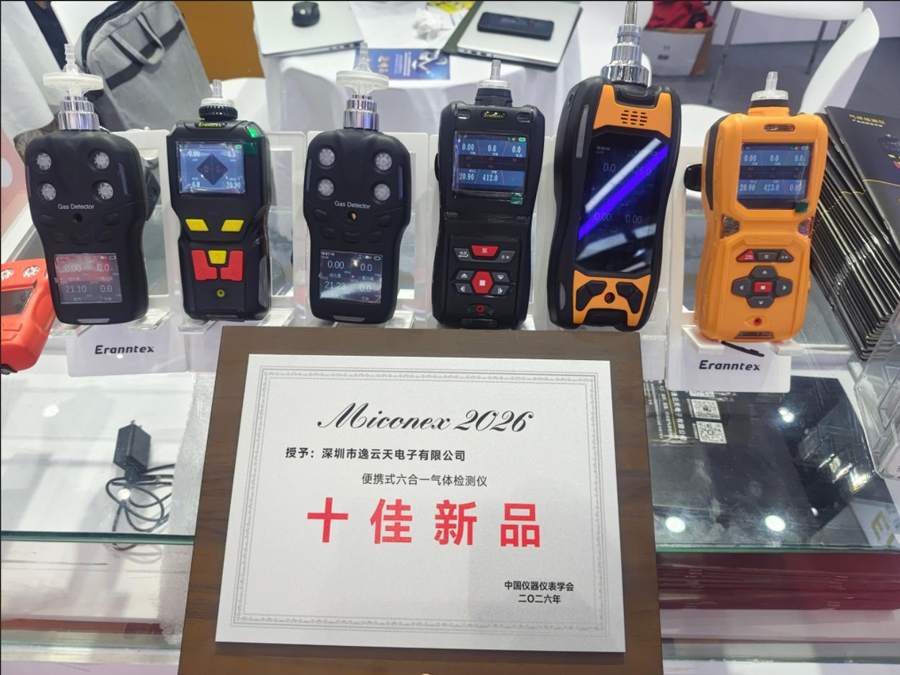
Outstanding Performance! Yiyuntian Eranntex 6-in-1 Gas Detector Wins MICONEX 2026 Top Ten New Products Award
From August 12th to 14th, 2026, the 34th China International Measurement Control and Instrumentation Exhibition (MICONEX 2026) was...
2026-08-24 -
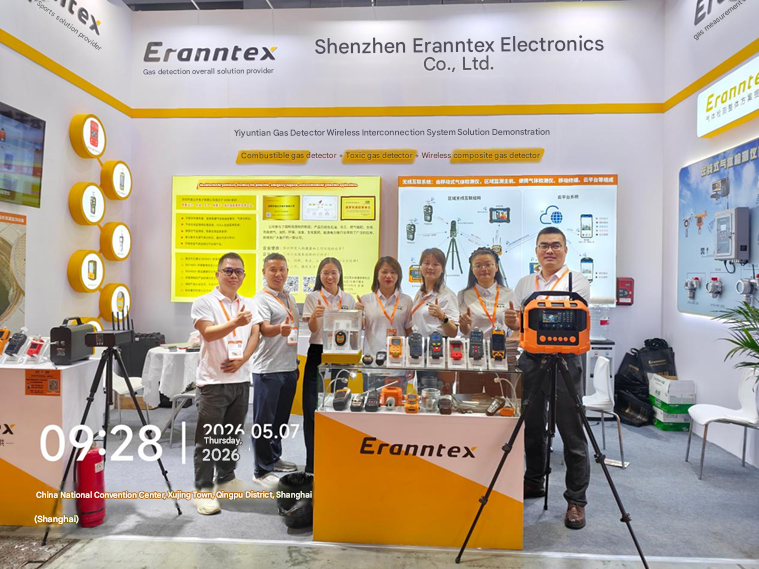
Yiyuntian Eranntex 5th Yangtze River Delta Emergency Expo Concludes Successfully
As late spring arrived in Shanghai, the grand event came to a close. From May 7 to 9, 2026, the 5th Yangtze River Delta Internatio...
2026-05-11 -
Yiyuntian Eranntex exhibits made their debut at the 2026 Shanghai Emergency Response and Disaster Reduction Expo, drawing massive crowds
On May 7, 2026, the 5th Yangtze River Delta International Emergency, Disaster Reduction, and Rescue Expo (EDRR) grandly opened at ...
2026-05-08 -
Yiyuntian Eranntex Portable 4-in-1 Gas Detectors: Enhancing On-Site Safety Management for Petrochemical Production Enterprises!
The petrochemical industry involves numerous production processes and complex operational scenarios. Areas such as plant facilitie...
2026-04-30 -

Yiyuntian Eranntex Invites You to the 2026 Shanghai Emergency Response and Disaster Reduction Expo
As spring draws to a close, Shanghai is set to host a major event. From May 7 to 9, 2026, the 5th Yangtze River Delta Internationa...
2026-04-29

 info@eranntexgas.com sale1@eranntexgas.com


 15914124845