
Gas detector: selection of precautions and correct use
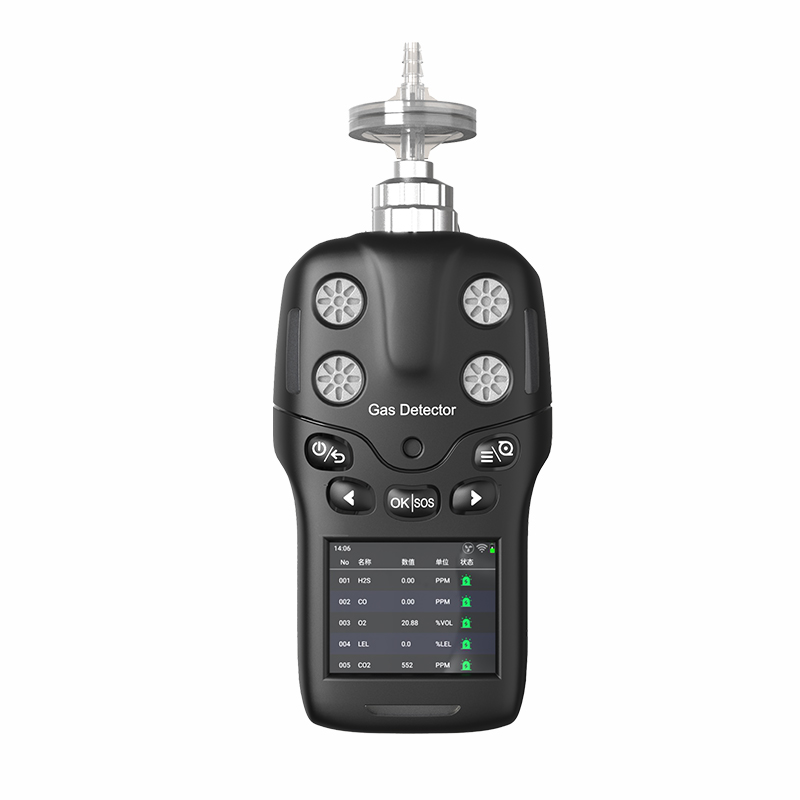
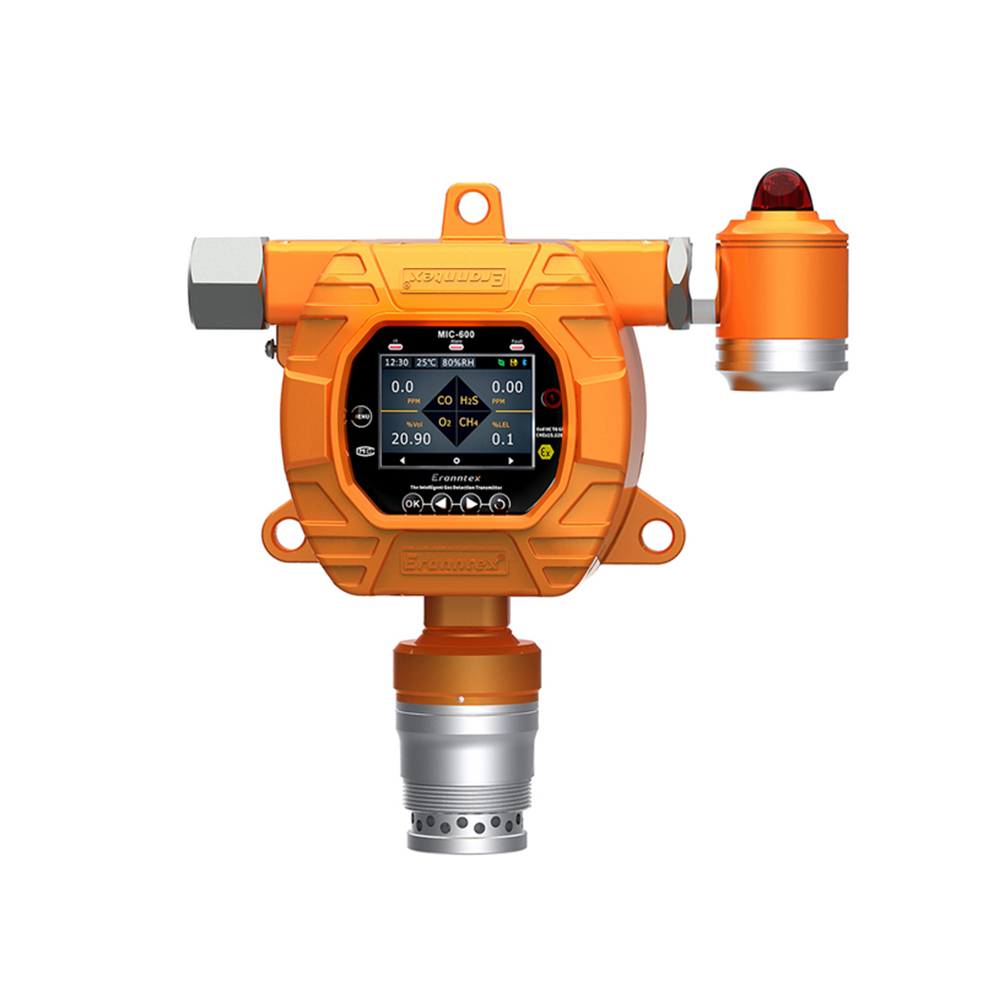
Publication Date:2020/10/22In some places where gas is often generated, it is necessary to detect gas at all times due to uncertain factors that may cause danger. Do you know what aspects should be paid attention to when choosing a gas detector? Pay attention to daily calibration and testing, the main detection interference of different gases to the sensor, the service life of the sensor, and the concentration range of the gas detector. You need to know some necessary information, including your own needs, working conditions of the use environment, site safety, functional requirements, and the origin of the sensor. The following Yi Yun Tian Xiaobian will give you a detailed introduction.
Precautions for choosing a gas detector:
What should be paid attention to when choosing a gas detector? Pay attention to daily calibration and detection, the main detection interference of different gases to the sensor, the service life of the sensor, The concentration range of the gas detector. The following is a detailed introduction.
Pay attention to routine calibration and detection, and use relative comparison method to measure and evaluate the toxic and harmful gas detector. First, the instrument is calibrated with zero gas and standard concentration gas, and the standard curve is obtained and stored in the equipment. The instrument compares the electrical signal formed by the change of the target gas concentration with the standard curve concentration, and then calculates the accurate gas concentration value.Therefore, before using the gas detector and after replacing the sensor, the instrument must be calibrated to ensure that the instrument is protected during use.
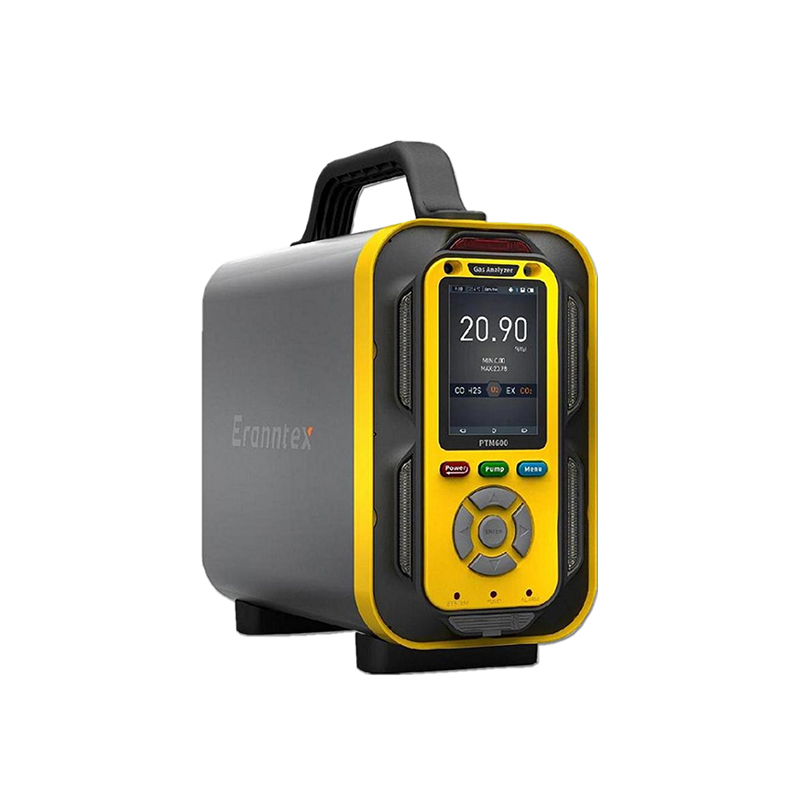
2. The main detection interference of different gases to the sensor. Generally speaking, each sensor can only correspond to 1 specific gas, but any 1 gas detector can not be absolutely special. We should know as much as possible the detection interference of other gases on the sensor to ensure their accurate detection of the target gas.
3.Pay attention to the service life of the sensor: Generally speaking, portable gas detectors equipped with LEL sensors have a long service life, which can reach about 3 years; some can last for four years or even longer; gas electrochemical sensors have a relatively short service life, Usually as long as 1 to two years.
4. Pay attention to the concentration range of the gas detector: When detecting gas, its accuracy can only be guaranteed within its measurement range. If the measurement range is exceeded for a long time, it will cause fatal damage to the sensor and greatly shorten the service life of the sensor; high-concentration, long-term operation of toxic and harmful gas detectors will also cause damage.
How to use the gas detector correctly;
How to use the gas detector correctly? You need to know some necessary information, including your own needs, working conditions of the use environment, site safety, The functional requirements used, the origin of the sensor. The following series will give you a detailed introduction.
1. Know your needs.
Choosing a gas detector first determines what gas to detect. In what environment? Portable or fixed? and other incidental features. These reasons are usually considered. Otherwise, the original plan to buy an oxygen detector will lead to an ozone detector, which is a big mistake, which will not only delay things, but also cause unnecessary economic losses.
2. Understand the working conditions of the use environment.
various gas detectors have strict requirements on the on-site environment, such as temperature -20~60 ℃, humidity 0 ~ 95% RH, pressure 80 ~ 120kpa, etc., Includes dust and flow. Because other impurities in the environment will have a huge impact on the test results, resulting in unforeseen losses. At the same time, understand the work situation on site, and provide this information to the manufacturer in time, and the manufacturer will have corresponding solutions.
3. Understand the safety situation on site.
In many cases, there are mandatory requirements for the installation and use of gas detectors, such as explosion-proof. Coal, petroleum, chemical and other industries have strict requirements for explosion-proof, requiring explosion-proof and explosion-proof certification of instruments. Other environments may require gas detectors to have certificates such as environmental protection certification or measuring instrument licenses.
4. Understand the functional requirements for use.
The general function of the gas detector is to detect the gas concentration and alarm when it exceeds the standard. But many customers need more than just these features. Signal output is one aspect, which requires output current, digital signal, voltage and switching value. There may be other special requirements, such as network interfaces and wireless signals. At the same time, data recording and processing are also common requirements.
5. Know the source of the sensor.
The sensors of many gas detector manufacturers are nominally foreign sensors, but they are not. Some consumers are tricked into using domestic sensors as imported sensors. In this case, we should carefully check the product information and sign the purchase and sale contract when necessary to protect their rights and interests.
Related information
-
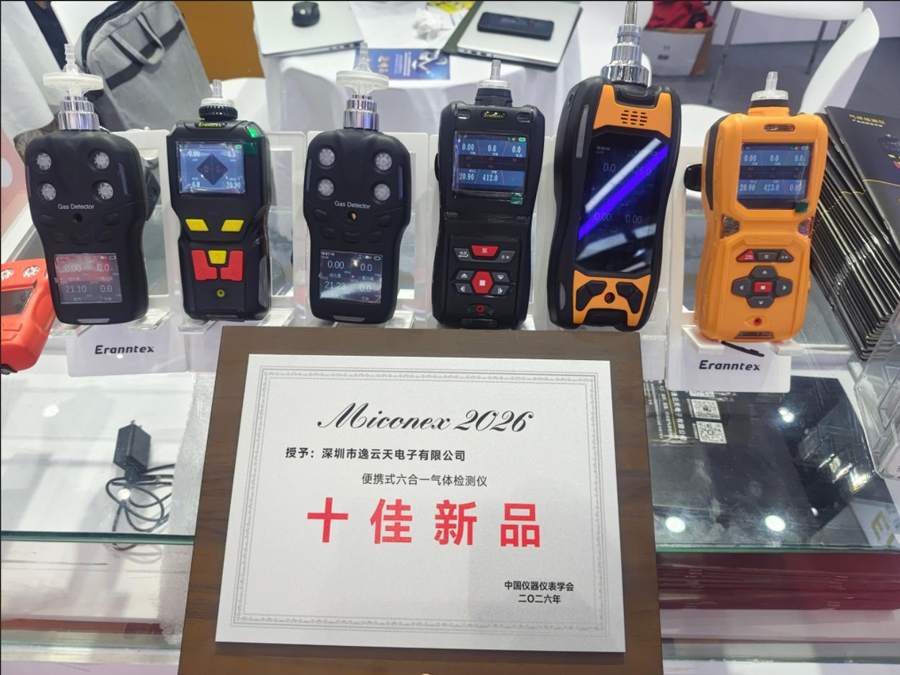
Outstanding Performance! Yiyuntian Eranntex 6-in-1 Gas Detector Wins MICONEX 2026 Top Ten New Products Award
From August 12th to 14th, 2026, the 34th China International Measurement Control and Instrumentation Exhibition (MICONEX 2026) was...
2026-08-24 -
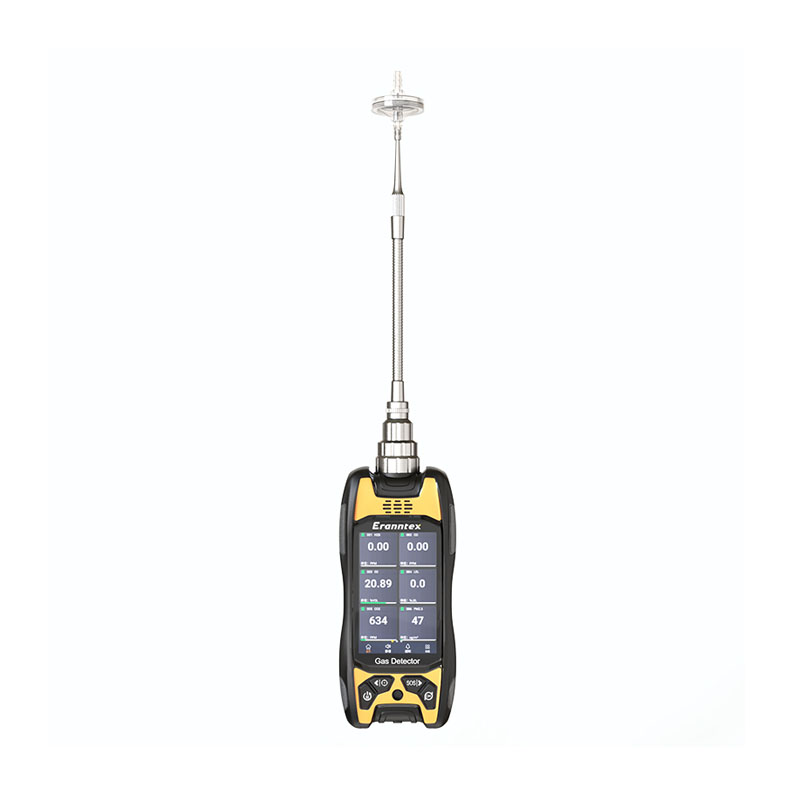
Yiyuntian Eranntex 5th Yangtze River Delta Emergency Expo Concludes Successfully
As late spring arrived in Shanghai, the grand event came to a close. From May 7 to 9, 2026, the 5th Yangtze River Delta Internatio...
2026-05-11 -
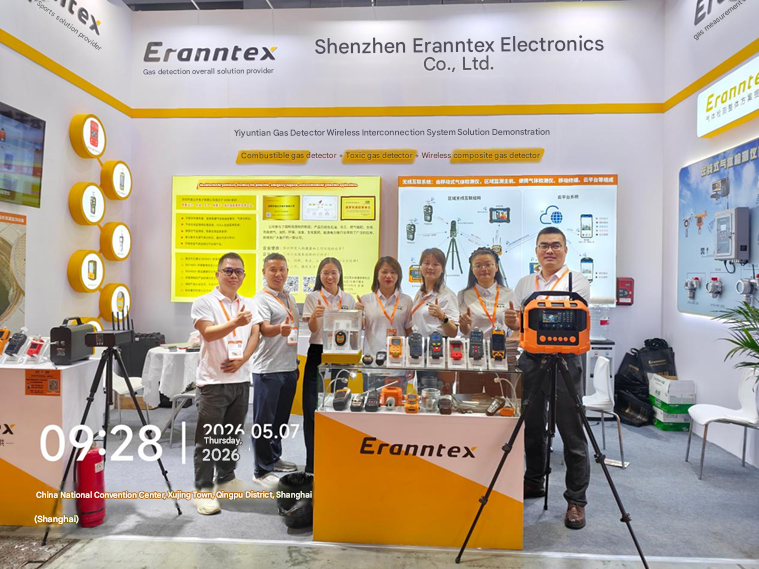
Yiyuntian Eranntex exhibits made their debut at the 2026 Shanghai Emergency Response and Disaster Reduction Expo, drawing massive crowds
On May 7, 2026, the 5th Yangtze River Delta International Emergency, Disaster Reduction, and Rescue Expo (EDRR) grandly opened at ...
2026-05-08 -

Yiyuntian Eranntex Portable 4-in-1 Gas Detectors: Enhancing On-Site Safety Management for Petrochemical Production Enterprises!
The petrochemical industry involves numerous production processes and complex operational scenarios. Areas such as plant facilitie...
2026-04-30 -

Yiyuntian Eranntex Invites You to the 2026 Shanghai Emergency Response and Disaster Reduction Expo
As spring draws to a close, Shanghai is set to host a major event. From May 7 to 9, 2026, the 5th Yangtze River Delta Internationa...
2026-04-29



 info@eranntexgas.com sale1@eranntexgas.com


 15914124845