
Setting Range for Alarm Values on Four-in-One Detectors
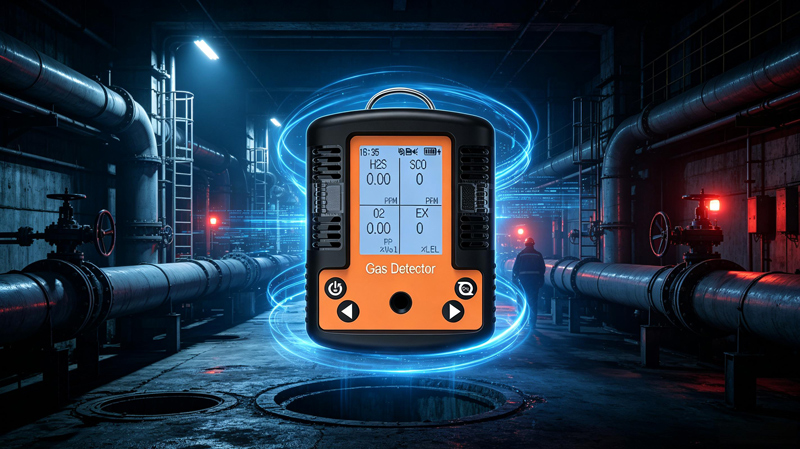
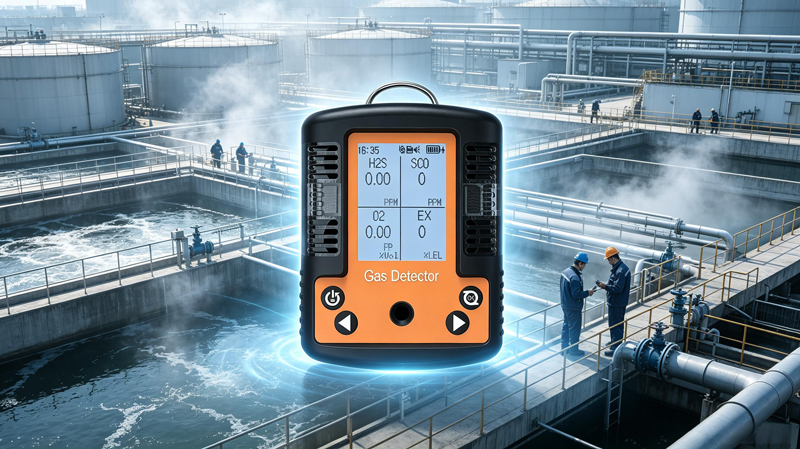
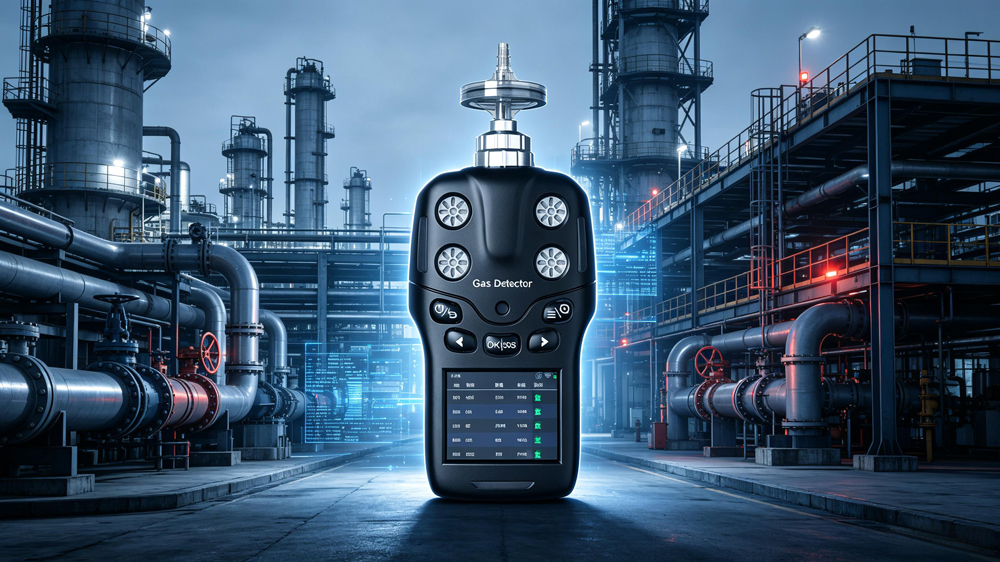
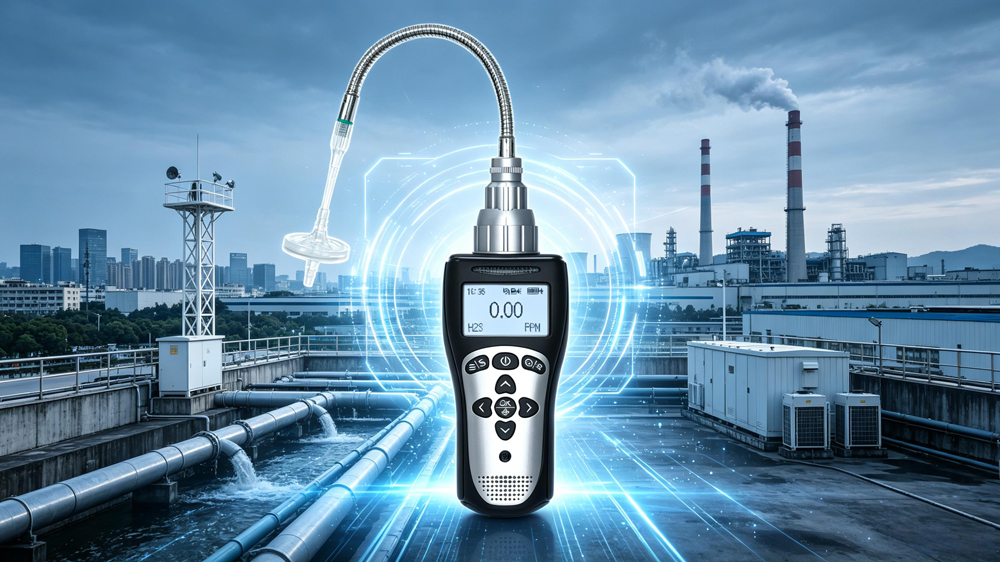
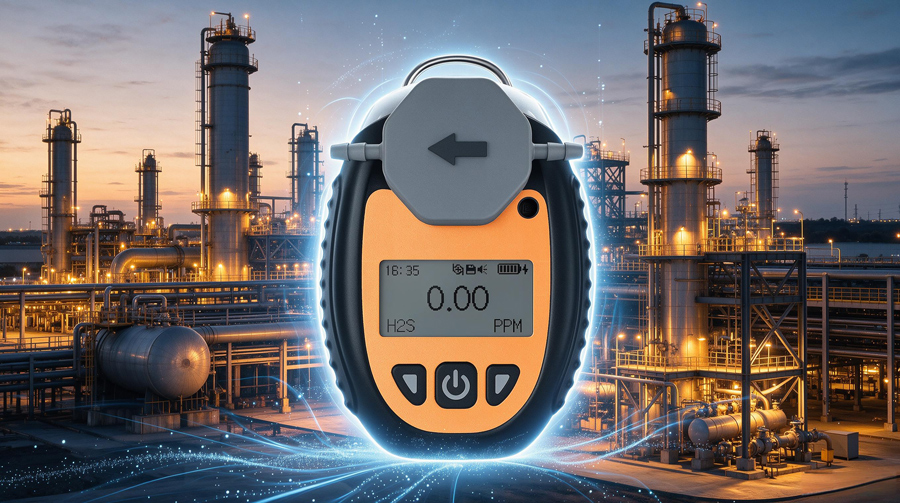
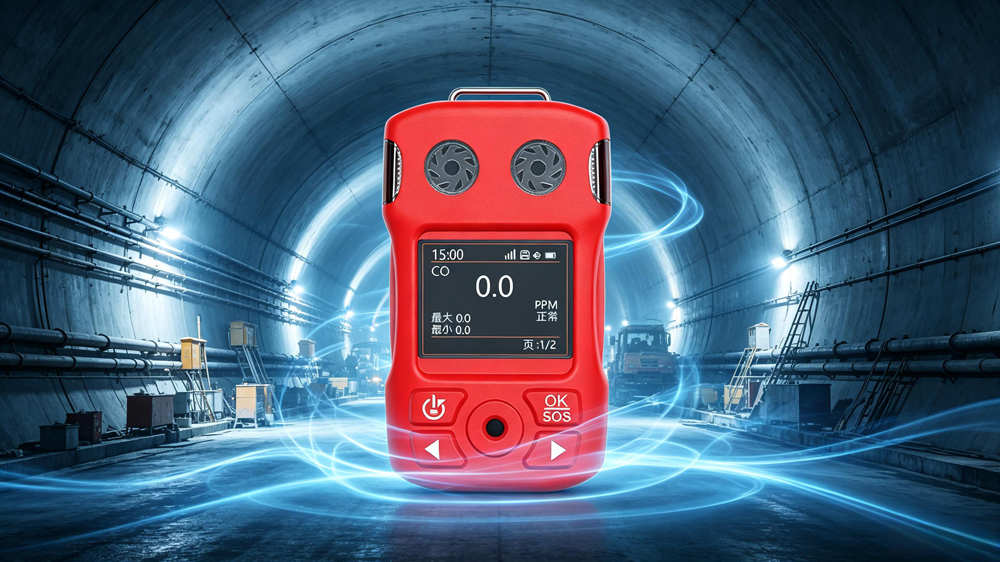
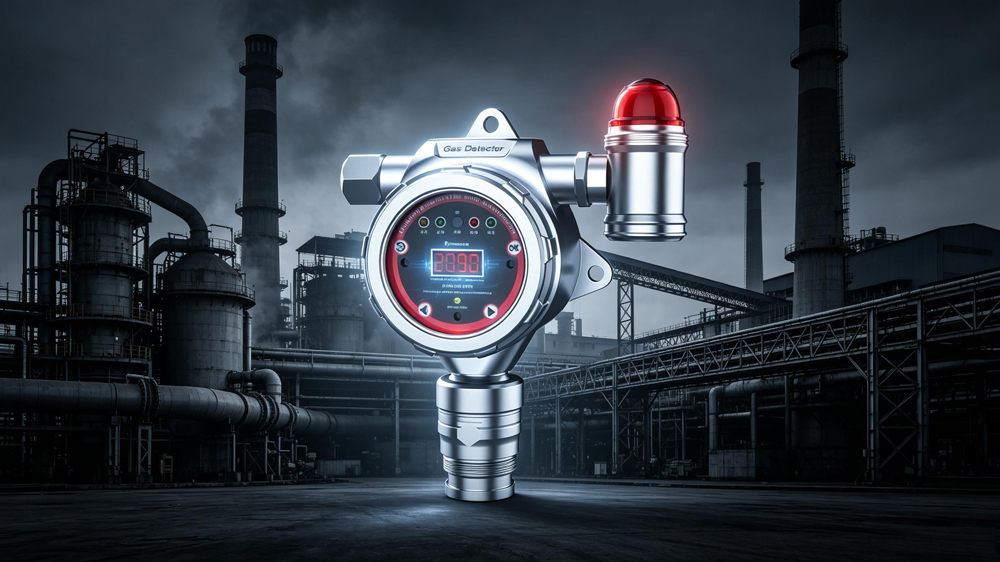
Publication Date:2026/02/02In the field of industrial safety, the four-in-one detectors has become standard equipment for protecting workers' lives and health. It typically integrates real-time monitoring of flammable and explosive gases (LEL), oxygen (O₂), carbon monoxide (CO), and hydrogen sulfide (H₂S). However, owning a high-quality four-in-one detectors is only the first step; setting the correct alarm thresholds is key to ensuring its effective early warning capabilities.
For users, alarm value settings are not arbitrary but must strictly adhere to internationally recognized authoritative standards. Proper alarm threshold configuration aims to provide workers with sufficient reaction time before hazardous concentrations cause irreversible harm.

I. Flammable and Explosive Gases: Dual-Level Alarms Based on LEL
Alarm units for combustible gases are typically expressed as %LEL (percentage of Lower Explosive Limit), indicating the concentration relative to the LEL. Since most combustible gases become highly hazardous well before reaching their LEL, two-tiered alarms are essential to address varying levels of emergency.
Low Alarm: Recommended at 10% LEL.
Rationale: This setting provides early warning. When the combustible gas concentration reaches 10% LEL, it indicates a potential minor leak. Personnel should immediately cease operations, initiate leak source investigation, and activate ventilation equipment.
High Alarm: Recommended setting at 20% LEL.
Rationale: At 20% LEL, the risk significantly increases, and the environment approaches the explosion limit. This constitutes a Level 1 emergency requiring immediate evacuation, gas source isolation, and activation of the emergency response plan.
Note: While regional standards may permit setting the high alarm at 50% LEL or higher, the 10%/20% LEL configuration has become the mainstream best practice in modern petrochemical and related industries to enhance safety margins.
II. Oxygen: Dual Protection Against Hypoxia and Oxygen Enrichment
Oxygen is fundamental to sustaining life. Levels below safety thresholds cause asphyxiation, while excessively high levels pose combustion risks. Therefore, oxygen alarm thresholds are set bilaterally.
Low Alarm: Recommended setting: 19.5% Vol.
Rationale: This is the internationally recognized minimum safety threshold. Normal atmospheric oxygen content is approximately 20.9%. When concentrations drop below 19.5%, human physiological functions begin to deteriorate, judgment becomes impaired, and enclosed spaces may harbor risks of nitrogen or other inert gas leaks.
High Alarm: Recommended setting is 23.5% Vol.
Rationale: While enriched oxygen environments pose minimal direct harm to humans, they significantly increase fire hazards (clothing and hair ignite extremely rapidly). Concentrations exceeding 23.5% Vol are considered abnormal oxygen-enriched conditions requiring immediate investigation.
III. Carbon Monoxide (CO): Defending Against the Invisible Killer
Colorless and odorless, carbon monoxide is the leading cause of fatalities in industrial accidents. Alarm thresholds must balance occupational health standards with acute poisoning risks. Internationally, TWA (Time-Weighted Average over 8 hours) and STEL (Short-Term Exposure Limit over 15 minutes) are commonly referenced.
Low Alarm: Recommended setting: 35 ppm.
Rationale: This aligns with OSHA's Permissible Exposure Limit. A sustained alarm alerts managers that exposure is approaching the legal 8-hour limit, prompting ventilation checks.
High Alarm: Recommended setting: 100 ppm.
Rationale: This serves as defense against acute poisoning. Per ACGIH standards, human tolerance at 100 ppm concentrations is limited to 1-2 hours maximum. This high alarm compels personnel to evacuate immediately before severe health damage (e.g., fainting, tissue hypoxia) occurs.
IV. Hydrogen Sulfide (H₂S): Rapidly Lethal Response Mechanism
Hydrogen sulfide is not only toxic but also possesses a “knockout effect” (where just one or two breaths at high concentrations can cause instant death). Therefore, its alarm thresholds must be set extremely aggressively and sensitively.
Low Alarm: Recommended setting is 10 ppm.
Rationale: This aligns with the TWA limit specified by most international safety regulations (e.g., OSHA's 10 ppm). Reaching 10 ppm indicates that prolonged exposure in this environment poses health risks, necessitating immediate action.
High Alarm: Recommended setting is 15 ppm.
Rationale: You read that correctly—the gap between H₂S high and low alarms is very narrow. This is because the sense of smell for H₂S becomes instantly numb at high concentrations (“rotten egg smell” suddenly disappears), making olfactory detection unreliable. 15 ppm is the STEL (Short-Term Exposure Limit) recommended by ACGIH. Reaching this level must be treated as an emergency evacuation signal. Some extremely hazardous environments may set the high alarm as high as 20 ppm, but higher values are never recommended.
V. Flexibility and Compliance: Adjusting to Local Regulations
While the above values represent internationally accepted best practices, users must note that specific mandatory legal requirements may vary across countries and regions.
For example, regulations in certain European countries may impose stricter requirements for CO low alarms, or specific chemical plants may enforce more stringent internal corporate standards (“zero tolerance” policies). Before configuring detectors, safety managers must consult local Occupational Health and Safety laws or local EHS experts.
Additionally, for portable detectors, enabling STEL (Short-Term Exposure Limit) and TWA (Time-Weighted Average) alarm functions (if supported) is recommended. This provides more comprehensive health risk warnings than relying solely on a high-limit alarm.
In summary, setting alarm thresholds for four-gas detectors is a rigorous science grounded in data and regulations. The widely validated gold standard of 10/20% LEL, 19.5/23.5% O₂, 35/100 ppm CO, and 10/15 ppm H₂S provides personnel with sufficient reaction time.
Remember: the purpose of alarm thresholds is to provide “early warning,” not merely to document “what has already happened.” Setting these values too high is tantamount to walking a tightrope on the edge of life safety. Configure your equipment scientifically according to these guidelines to build a robust safety barrier for your team.
Related information
-
How to Calibrate a Portable four-in-one Gas Detectors?
Portable four-in-one gas detectors are core protective equipment in the industrial safety field. However, sensors can experience z...
2026-09-18 -
What are the application scenarios for portable four-in-one gas detectors?
Portable four-in-one gas detectors typically monitor oxygen (O₂), flammable gas (LEL), carbon monoxide (CO), and hydrogen sulfide...
2026-09-16 -
Portable four-in-one Gas Detectors User Manual
The portable four-in-one gas detectors is a core piece of personal protective equipment (PPE) for ensuring the safety of personnel...
2026-09-14 -

Calibration Specifications for Ammonia gas Detectors
Calibration of ammonia gas detectors is a core step in ensuring their measurement accuracy and alarm reliability. However, ammonia...
2026-09-11 -
What is the appropriate installation height for an ammonia gas detectors?
Ammonia (NH₃) has a relative density of only 0.59, much lighter than air. This means that in the event of a leak, the gas will qu...
2026-09-09
 info@eranntexgas.com sale1@eranntexgas.com


 15914124845