
What are the common application scenarios for combustible gas detectors in industrial settings?
Publication Date:2026/03/03Combustible gas detectors play a critical role in industrial environments. They are not only a mandatory requirement for corporate compliance but also serve as the final line of defense for personnel safety and asset integrity. This article by Yiyuntian Eranntex will delve into practical operational scenarios, risk logic analysis, and the value of preventive maintenance through scenario-based insights.
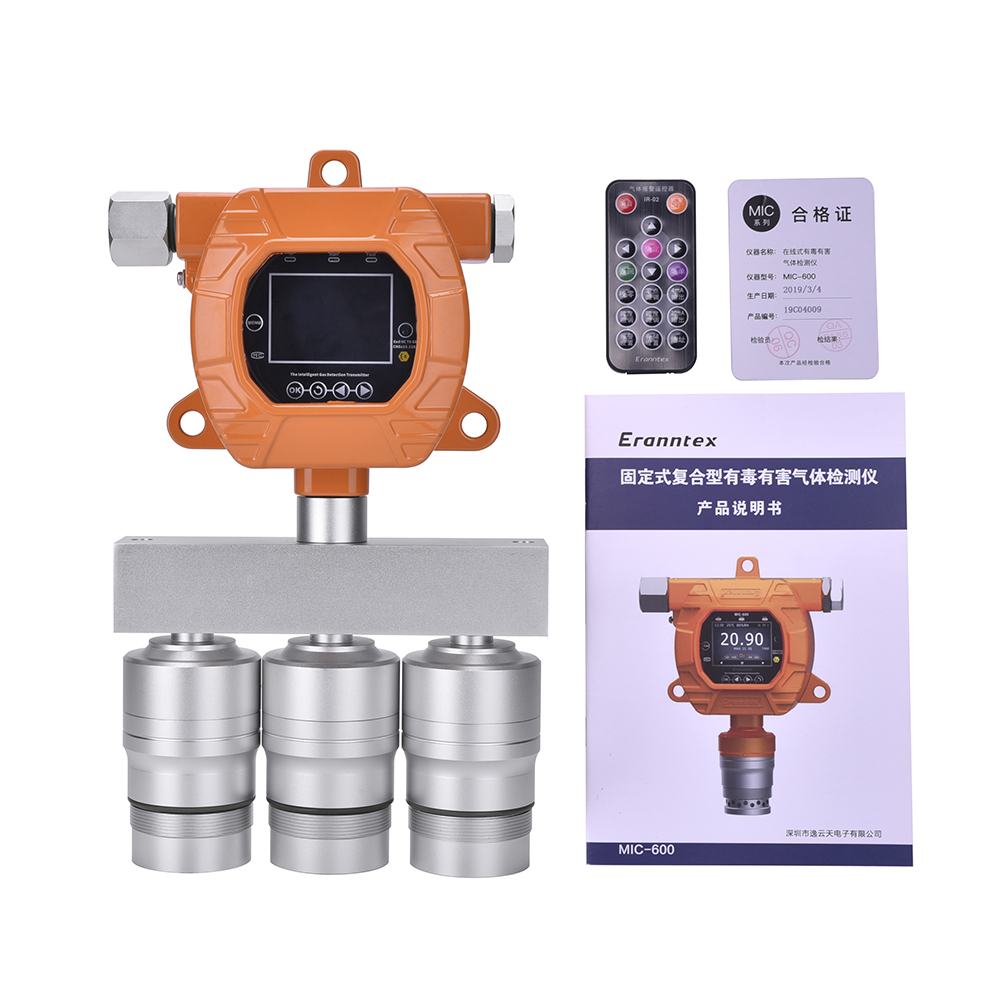
I. Oil and Gas Industry: Full-Chain Protection from Upstream to Downstream
In the oil and gas sector, combustible gas detectors are deployed throughout every stage from extraction to end-use. At upstream exploration and production sites, drilling platforms and wellhead areas harbor significant leakage risks. Given the high-pressure transportation of hydrocarbon mixtures, even minor failures in pipe flanges, valves, or seals can lead to catastrophic consequences. In such scenarios, fixed gas detection systems are typically deployed around wellheads and in low-lying areas of drilling decks, as many hydrocarbon gases are heavier than air and readily accumulate in depressions.
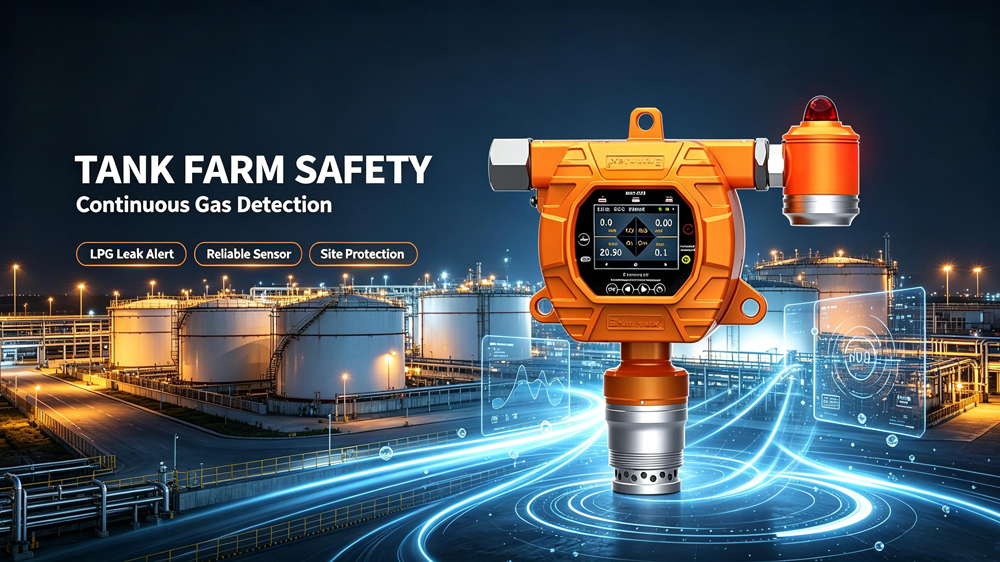
Moving into the midstream transportation and storage phase, pipeline booster stations and tank farm areas become key monitoring targets. International industry standards (such as API or NFPA standards) typically mandate explosion-proof detection probes around tank vent valves and in pumping operation zones. In downstream refineries, processes become more complex. Facilities like hydrocracking units and catalytic reformers involve high-temperature, high-pressure reactions. Detectors must monitor not only hydrocarbons but also respond to specific gases like hydrogen. Equipment must carry high-level explosion-proof certifications to prevent the instruments themselves from becoming ignition sources.
II. Chemical Manufacturing and Pharmaceutical Industries: Real-Time Monitoring of Hidden Risks
The chemical industry represents another major application scenario for combustible gas detectors. Within chemical plants, reactors, distillation columns, and various material transfer pipelines form intricate networks. Many organic solvents—such as acetone, ethanol, and toluene—serve not only as common chemical raw materials but also as highly volatile flammable liquids. In these production areas, detectors primarily monitor LEL (Lower Explosive Limit) values. When solvent vapor concentrations approach the LEL threshold, the system triggers audible and visual alarms while automatically activating forced ventilation systems to dilute combustible gas concentrations in the air.
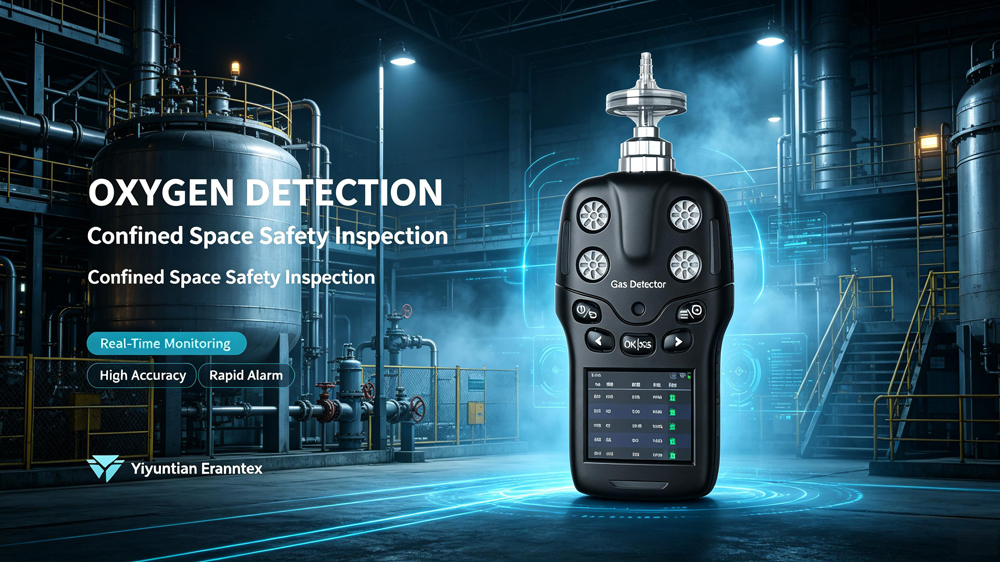
For the pharmaceutical industry, particularly in workshops employing organic solvents for raw material extraction or crystallization processes, safety requirements are even more stringent. While cleanroom environments strictly control particulate matter, they remain equally sensitive to the accumulation of volatile gases. In such scenarios, portable gas detectors are routinely carried by personnel, especially during confined space entry (e.g., cleaning/maintenance inside reactors). This constitutes the “pre-entry testing” procedure strongly emphasized by international agencies like OSHA (Occupational Safety and Health Administration), requiring confirmation of normal oxygen levels and absence of explosion risks before commencing work.
III. Food Processing and Beverage Industry: Overlooked Flammable Hazards
The food and beverage sector is often perceived as low-risk, yet it harbors significant overlooked combustible gas hazards. Frozen food processing plants and large cold storage facilities typically use liquid ammonia as a refrigerant. While ammonia is primarily recognized as a toxic gas, it also poses combustion and explosion risks at high concentrations. Consequently, monitoring in ammonia refrigeration rooms often employs composite sensors tracking both toxicity thresholds and lower explosive limits (LEL).
Additionally, in beverage production, carbon dioxide (CO₂) serves not only as a key ingredient in carbonated drinks but also as a gas requiring attention. While CO₂ itself is non-flammable, wastewater treatment plants or biogas power generation facilities associated with food processing generate methane. Methane is not only flammable but also possesses a high calorific value. Modern food processing plants abroad typically integrate biogas collection systems into their safety monitoring networks. Gas detectors utilizing infrared technology continuously monitor methane leaks, preventing flash fire incidents in enclosed fermentation workshops or pipeline corridors.
IV. Boiler Rooms and Power Generation Facilities: Safety Barriers for Combustion Systems
In industrial boiler rooms and thermal power plants, natural gas or fuel oil serves as the primary fuel source. The safe startup and shutdown of combustion systems represent one of the core application scenarios for gas detectors. The international industrial sector widely employs “purge” procedures, whereby forced ventilation is used to expel any residual combustible gases from the furnace prior to ignition. During this process, gas detectors monitor concentrations at the furnace outlet or within the flue. Only after confirming concentrations fall below safety thresholds does the control system permit ignition.
For power plants utilizing gas turbines, fuel gas operates at extremely high pressures. Detectors are typically installed around the turbine's fuel modules to verify the integrity of fuel nozzles and shut-off valves. Given the high-temperature environments in these areas, selected detection equipment must possess resistance to thermal interference. Sensors predominantly utilize catalytic combustion or infrared technology to ensure long-term stability under harsh operating conditions.
V. Water Treatment Facilities and Confined Spaces: Guardians of Underground Pipeline Networks
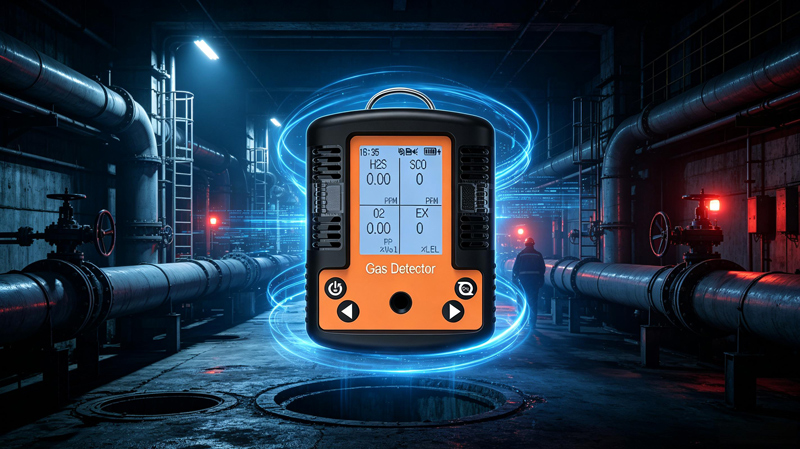
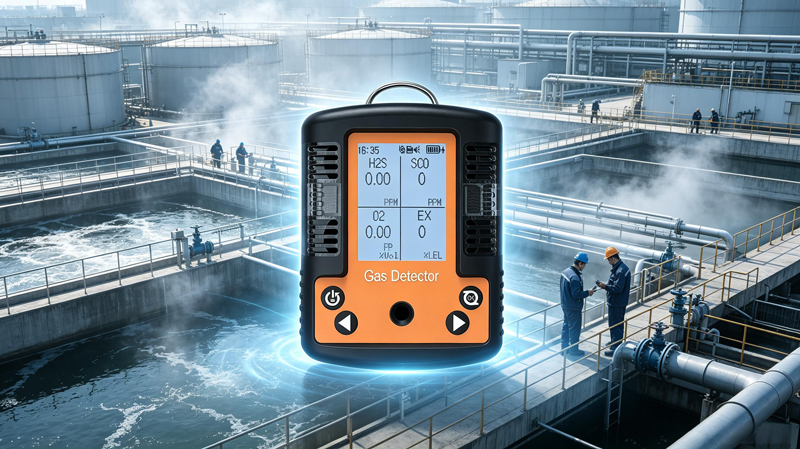
Municipal and industrial wastewater treatment plants are sites where methane and hydrogen sulfide accumulate. In sludge digestion tanks, screen chambers, and maintenance access points of underground pipelines, methane produced by organic fermentation readily accumulates within enclosed spaces. For maintenance personnel, these areas constitute typical “confined spaces.” International safety regulations strictly mandate the use of pumped gas detectors for layered detection—specifically, detecting the top (light gases), middle, and bottom (heavy gases)—prior to entry.
Additionally, chlorination disinfection during wastewater treatment may involve chlorine gas. Although chlorine is non-flammable, it is often integrated with combustible gas detection systems within unified safety management platforms. Modern water treatment plants are progressively adopting wireless gas detection networks, enabling inspectors to monitor gas conditions in underground pipelines or remote pump stations in real-time from control centers, thereby reducing personnel exposure risks.
In summary, combustible gas detectors serve an exceptionally broad range of industrial applications, each with distinct risk profiles and technical requirements. From high-risk oil platforms to seemingly benign food processing plants, gas detection extends beyond equipment installation to encompass a comprehensive safety management system involving risk assessment, personnel training, and maintenance calibration. For modern industrial enterprises committed to a safety culture, precise and reliable gas detection is an indispensable component of daily operations.
Related information
-
How to Calibrate a Portable four-in-one Gas Detectors?
Portable four-in-one gas detectors are core protective equipment in the industrial safety field. However, sensors can experience z...
2026-09-18 -
What are the application scenarios for portable four-in-one gas detectors?
Portable four-in-one gas detectors typically monitor oxygen (O₂), flammable gas (LEL), carbon monoxide (CO), and hydrogen sulfide...
2026-09-16 -
Portable four-in-one Gas Detectors User Manual
The portable four-in-one gas detectors is a core piece of personal protective equipment (PPE) for ensuring the safety of personnel...
2026-09-14 -

Calibration Specifications for Ammonia gas Detectors
Calibration of ammonia gas detectors is a core step in ensuring their measurement accuracy and alarm reliability. However, ammonia...
2026-09-11 -
What is the appropriate installation height for an ammonia gas detectors?
Ammonia (NH₃) has a relative density of only 0.59, much lighter than air. This means that in the event of a leak, the gas will qu...
2026-09-09
 info@eranntexgas.com sale1@eranntexgas.com


 15914124845