
How to Calibrate an Oxygen Detectors to Ensure Accuracy?
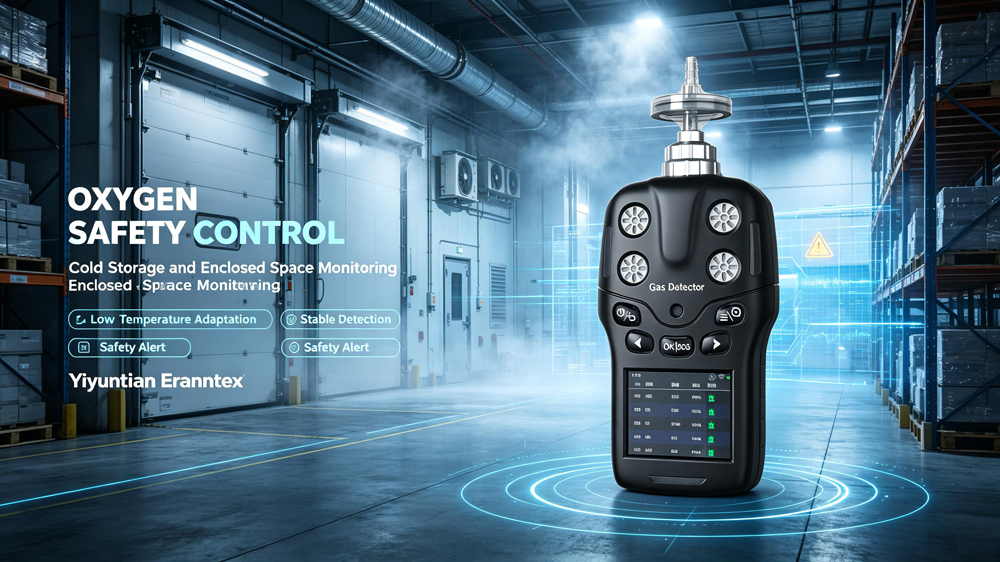
Publication Date:2026/03/13Oxygen detectors play a critical role in confined space entry, industrial process control, medical support, and environmental monitoring. Since oxygen concentrations below 19.5% vol. can cause asphyxiation and levels above 23.5% vol. significantly increase fire risks, ensuring accurate readings is not optional—it is fundamental to safe operation. For international users, understanding and executing proper calibration procedures is essential for maintaining equipment reliability and compliance. Below, Yiyuntian Eranntex provides a systematic overview of how oxygen detectors achieve accuracy through scientific calibration.
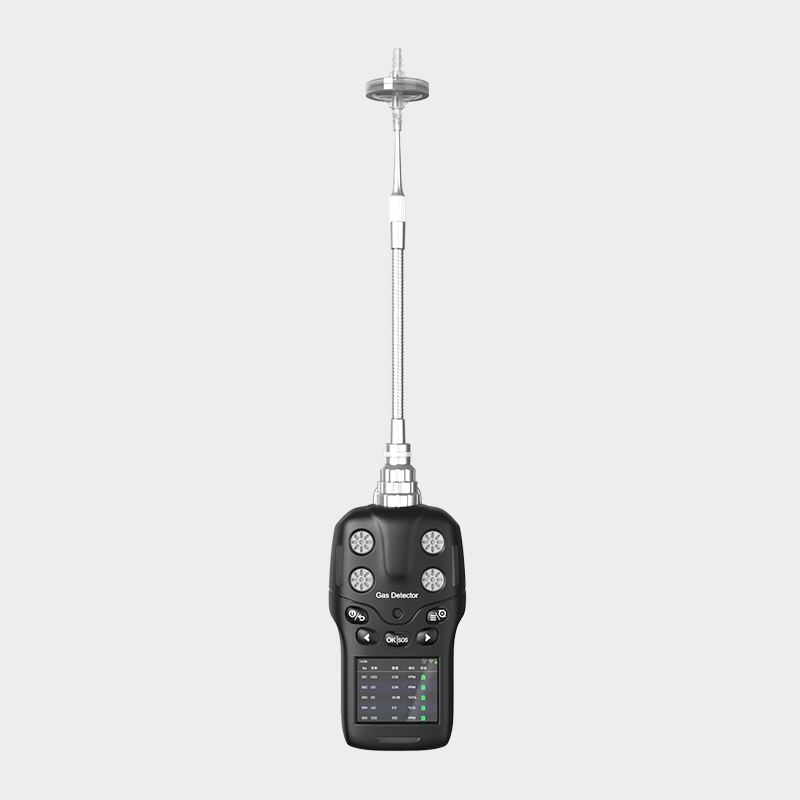
First, it is essential to distinguish between calibration and functional testing—two distinct yet complementary procedures. Functional testing rapidly verifies whether the sensor responds to known gas concentrations and triggers an alarm before use, typically taking only 30–60 seconds. Calibration, however, involves precise adjustment of the instrument using standard gases to align its readings with actual values. Per OSHA, NIOSH, and leading manufacturers' recommendations, oxygen detectors should undergo comprehensive calibration at least every 30 days and immediately after any of these events: drops or impacts, exposure to extreme temperatures/humidity, prolonged disuse, or failed functional tests.
The calibration process typically employs a “two-point calibration method”: first zero calibration, followed by span calibration. However, oxygen detectors present a slight exception—since oxygen cannot be “zeroed,” single-point span calibration is commonly performed in practice. This uses clean outdoor air or a standard gas of known concentration as the reference. Place the instrument in this environment. Once the reading stabilizes, execute the “Fresh Air Calibration” or “Auto Calibration” command, and the device will establish the current value as its baseline. While this step appears straightforward, it relies on the calibration environment accurately representing standard atmospheric conditions—calibration at high altitudes, in enclosed structures, or polluted areas can introduce systematic errors.
To ensure calibration validity, certified standard gases must be used, with concentration uncertainty meeting ISO 6141 or NIST traceability requirements. While many users habitually substitute “outdoor air” for standard gases, this is only valid under conditions of good air quality and no local sources of oxygen enrichment/depletion. In high-risk industrial settings, safety protocols typically mandate calibration with bottled standard gases to eliminate environmental uncertainties.
Furthermore, sensor type directly influences calibration strategy. The vast majority of portable oxygen detectors currently employ electrochemical sensors, whose output naturally degrades over time (typical lifespan: 12–24 months). Even with regular calibration, once sensors age beyond a certain point—exhibiting slower response times and increased zero drift—calibration cannot restore their performance. Thus, calibration serves not only to adjust readings but also as a critical means of assessing sensor health. Frequent calibration needs or rapid drift post-calibration often signal impending sensor failure.
Modern smart detectors further enhance calibration reliability. Many devices incorporate built-in temperature and pressure compensation algorithms that automatically correct readings affected by altitude or climate. Some high-end models also support automatic calibration reminders, calibration history storage, and even Bluetooth data synchronization to safety management platforms. These features not only align with European and American users' preferences for digitalization and traceability but also help enterprises meet ISO 45001 or OSHA recordkeeping requirements.
Finally, personnel training and standardized operating procedures are equally critical. Calibration is not merely “pressing a button”—operators must understand when to calibrate, which gas to use, under what conditions to operate, and how to determine calibration success. Incorrect calibration is more dangerous than no calibration, as it creates a false impression of “device normalcy.” Therefore, international best practices emphasize that all personnel using oxygen detectors should receive formal training and follow documented calibration procedures.
In summary, the accuracy of oxygen detectors relies on regular, standardized calibration using reliable reference sources, combined with sensor condition monitoring and consideration of environmental factors. For users, especially EHS professionals, establishing a maintenance system encompassing functional testing, monthly calibration, sensor replacement schedules, and comprehensive documentation is the true foundation for safeguarding lives. When confronting this invisible yet deadly risk, precise data is not a luxury—it is an absolute necessity.
Related information
-
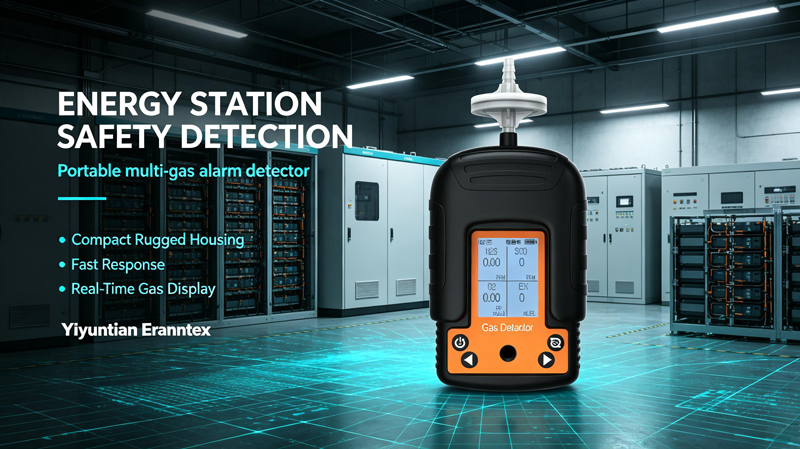
How to Calibrate a Portable four-in-one Gas Detectors?
Portable four-in-one gas detectors are core protective equipment in the industrial safety field. However, sensors can experience z...
2026-09-18 -
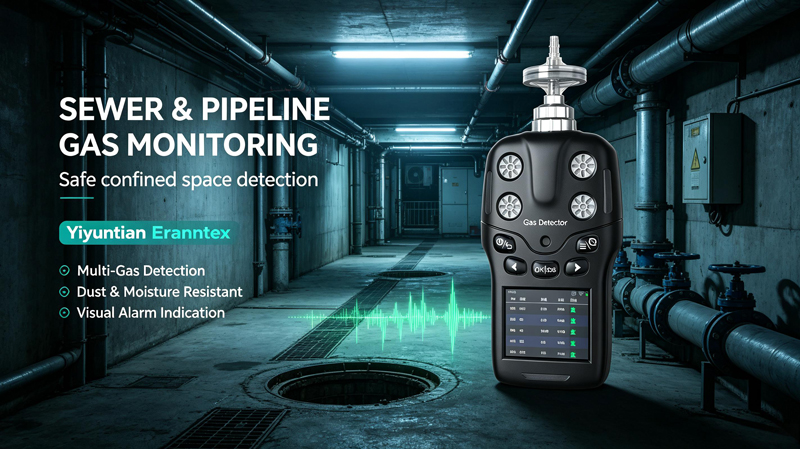
What are the application scenarios for portable four-in-one gas detectors?
Portable four-in-one gas detectors typically monitor oxygen (O₂), flammable gas (LEL), carbon monoxide (CO), and hydrogen sulfide...
2026-09-16 -
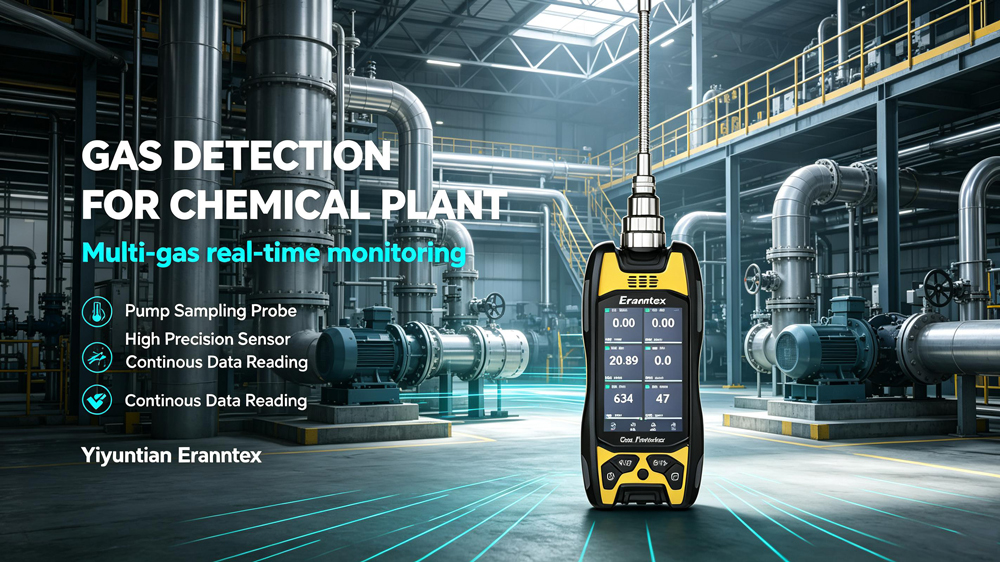
Portable four-in-one Gas Detectors User Manual
The portable four-in-one gas detectors is a core piece of personal protective equipment (PPE) for ensuring the safety of personnel...
2026-09-14 -

Calibration Specifications for Ammonia gas Detectors
Calibration of ammonia gas detectors is a core step in ensuring their measurement accuracy and alarm reliability. However, ammonia...
2026-09-11 -
What is the appropriate installation height for an ammonia gas detectors?
Ammonia (NH₃) has a relative density of only 0.59, much lighter than air. This means that in the event of a leak, the gas will qu...
2026-09-09
 info@eranntexgas.com sale1@eranntexgas.com


 15914124845