
Why is the oxygen alarm on my four-in-one detectors constantly going off?
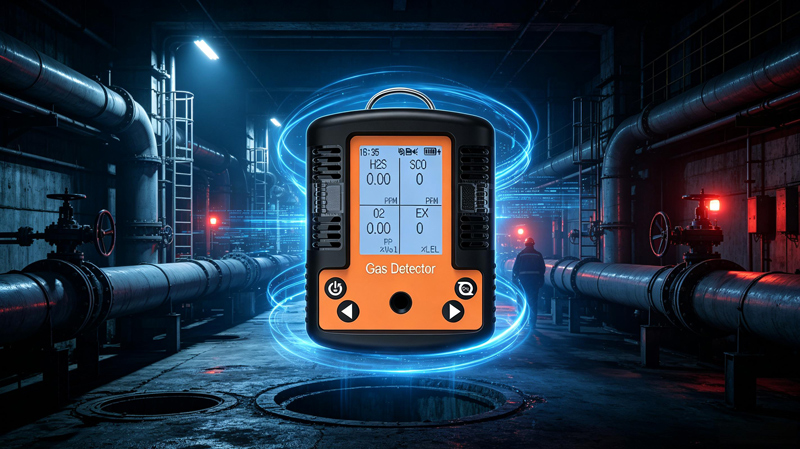
Publication Date:2026/03/16When the oxygen sensor in a four-in-one detectors triggers a continuous alarm, it is typically a safety signal requiring immediate attention—though it may also be caused by equipment malfunction or improper operation. For international users, particularly professionals working in high-risk environments such as the oil and chemical industries, confined space operations, or emergency response, correctly diagnosing the cause of a “persistent oxygen alarm” is crucial for avoiding misjudgments, ensuring personal safety, and maintaining compliance. Below, the Yiyuntian Eranntex editorial team will systematically analyze potential causes and response strategies from four perspectives: actual hazards, environmental factors, equipment issues, and maintenance oversights.
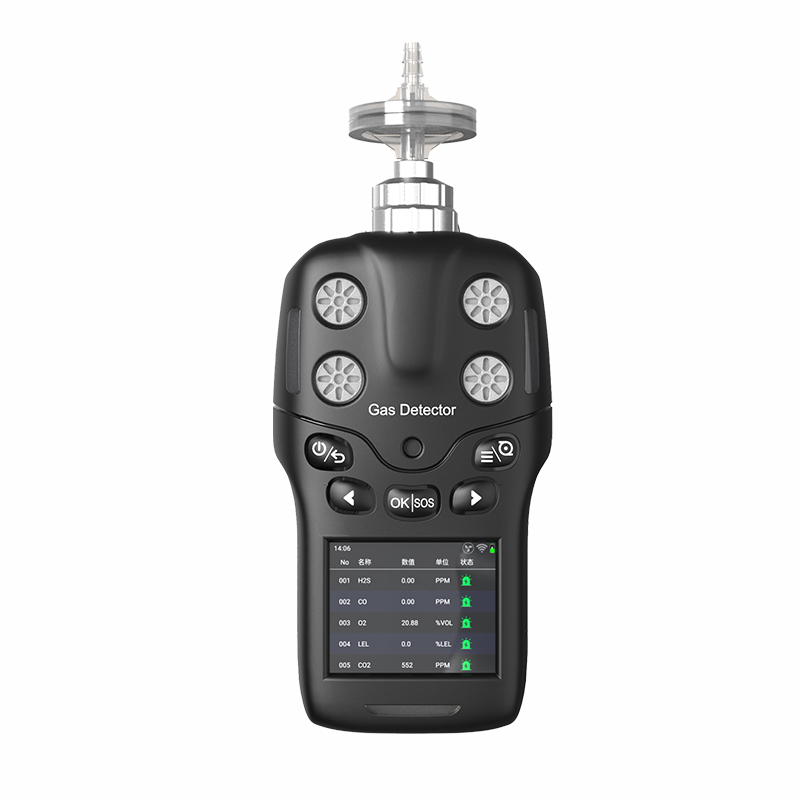
First, confirm whether a genuine hypoxic or hyperoxic environment exists. According to international safety standards such as OSHA and HSE, an oxygen concentration below 19.5% vol is defined as “hypoxic,” while above 23.5% vol is “hyperoxic”—both of which will trigger an alarm. In confined spaces, hypoxia is often caused by inert gas displacement, microbial oxygen consumption, or combustion residues; hyperoxia may result from oxygen cylinder leaks, welding gas supply system failures, or laboratory gas management errors. If multiple people using different devices in the same area all show abnormal readings, it is highly likely that a real hazard exists, and you should evacuate immediately and activate the emergency response plan.
Second, verify the calibration status and ensure the “fresh air” reference is accurate. The oxygen sensor in a four-in-one detectors is typically calibrated using 20.9% vol as the baseline. If the device performs a “fresh air calibration” in a non-standard environment—such as at high altitudes, in an air-conditioned enclosed room, or near combustion equipment—it can result in an incorrect baseline, leading to false low-oxygen alarms in normal air. Similarly, if the device has not been calibrated for an extended period, the electrochemical oxygen sensor may experience zero-point drift due to natural aging, which can also trigger persistent alarms. The solution is to take the device to a known clean, well-ventilated outdoor environment to perform a proper “fresh air calibration” or use 20.9% standard gas for span calibration.
Third, consider sensor aging or poisoning. The oxygen sensors in four-in-one detectors are typically electrochemical, with a typical lifespan of 12–24 months. As usage time increases, electrolyte evaporation or electrode passivation can cause unstable output signals, manifesting as fluctuating readings, slow response, or persistent under-reporting. Additionally, certain chemicals may “poison” the sensor, rendering it permanently inoperable. If the device has recently been exposed to such environments, the sensor may be damaged even if it appears undamaged. In such cases, functional tests will typically fail, and the sensor module must be replaced.
Fourth, rule out physical or electrical faults. A blocked air intake, poor circuit connections, low battery voltage, or firmware anomalies can also cause false alarms in the oxygen channel. Users can try cleaning the filter, restarting the device, or cross-verifying the results on another instrument of the same model.
Finally, never overlook human operational factors. For example, entering the work area before the device has finished warming up after startup may result in abnormal initial readings; or keeping the device in a pocket or toolkit for extended periods, preventing it from being exposed to fresh air, can also cause errors to accumulate. Good operating practices include: completing the self-test and stabilization in clean air after powering on, performing a functional test before each use, and regularly maintaining a maintenance log.
In summary, a continuous oxygen alarm on a four-in-one monitor may indicate a genuine hazard or reflect a device or operational issue. International users should follow the principle of “safety first, then investigate the cause”: first evacuate the suspected area and confirm the environment is safe; then troubleshoot the device’s status through calibration verification, cross-checking, and functional testing. In high-risk operations, never assume it is “just a false alarm”—because a single instance of actual oxygen deprivation can be fatal within minutes. Only through standardized maintenance, proper calibration, and thorough training can a four-in-one detectors truly become a reliable guardian of life.
Related information
-
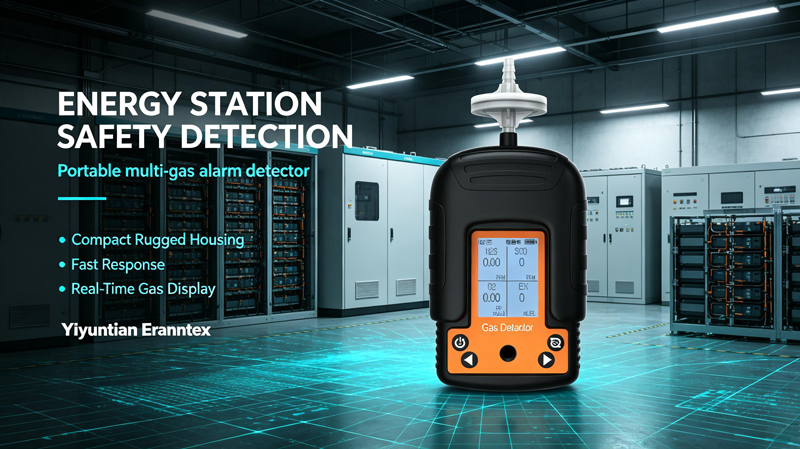
How to Calibrate a Portable four-in-one Gas Detectors?
Portable four-in-one gas detectors are core protective equipment in the industrial safety field. However, sensors can experience z...
2026-09-18 -
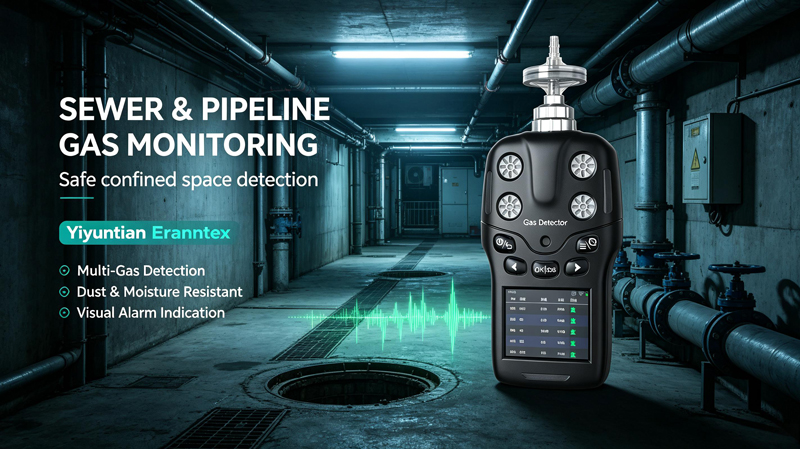
What are the application scenarios for portable four-in-one gas detectors?
Portable four-in-one gas detectors typically monitor oxygen (O₂), flammable gas (LEL), carbon monoxide (CO), and hydrogen sulfide...
2026-09-16 -

Portable four-in-one Gas Detectors User Manual
The portable four-in-one gas detectors is a core piece of personal protective equipment (PPE) for ensuring the safety of personnel...
2026-09-14 -

Calibration Specifications for Ammonia gas Detectors
Calibration of ammonia gas detectors is a core step in ensuring their measurement accuracy and alarm reliability. However, ammonia...
2026-09-11 -
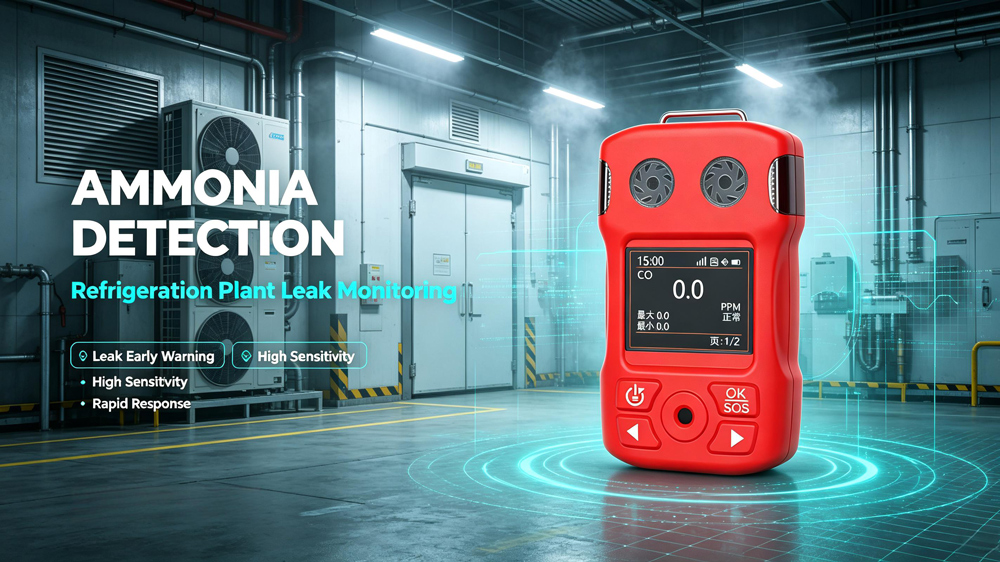
What is the appropriate installation height for an ammonia gas detectors?
Ammonia (NH₃) has a relative density of only 0.59, much lighter than air. This means that in the event of a leak, the gas will qu...
2026-09-09


 info@eranntexgas.com sale1@eranntexgas.com


 15914124845