
What gases do combustible gas detectors detect?
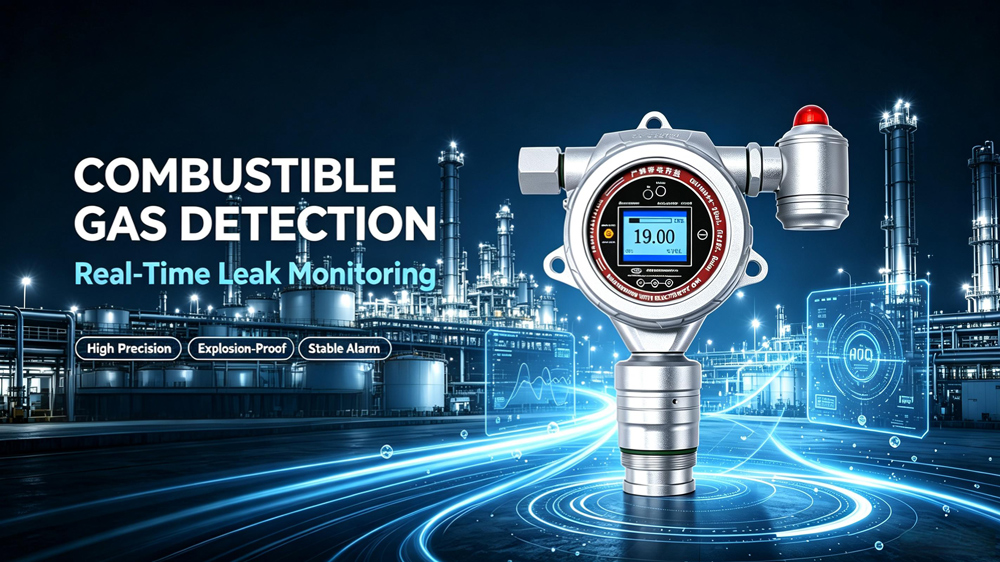
Publication Date:2026/03/02Combustible gas detectors are indispensable protective equipment in industrial safety, fire emergency response, and environmental monitoring. For international users, understanding “what gases they detect” is crucial not only for selecting the right model but also directly impacts risk identification and personnel safety. Simply put, these instruments are not designed for a single specific gas but are used to detect combustible gases or vapors in the environment that could cause fires or explosions. Their core objective is not to measure toxicity but to assess explosion risk—specifically, whether gas concentrations approach their lower explosive limit (LEL). Below is an explanation from Yiyuntian Eranntex.
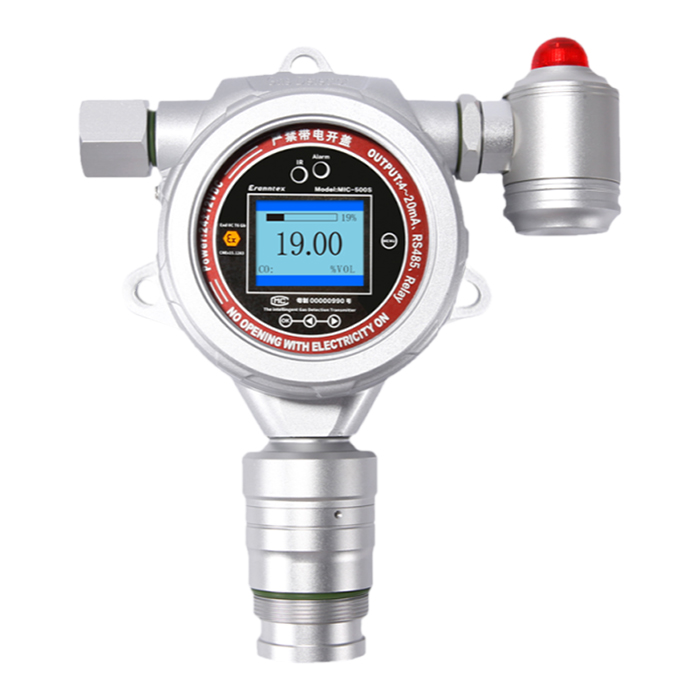
Technically, most portable and fixed combustible gas detectors utilize catalytic combustion sensors or infrared (IR) sensors. Both technologies use “methane (CH₄)” as the calibration reference gas, converting readings for all other combustible gases into methane equivalents, typically expressed as % LEL. For example, a display of “50% LEL” indicates the current combustible gas concentration has reached half of its lower explosive limit. It is important to note that LEL values vary significantly among gases: methane's LEL is 5% vol, hydrogen's is only 4% vol, and propane's is 2.1% vol. Therefore, while detectors provide early warnings of hazards, precise identification of specific gas types or concentrations requires pairing with gas chromatography or dedicated gas sensors.
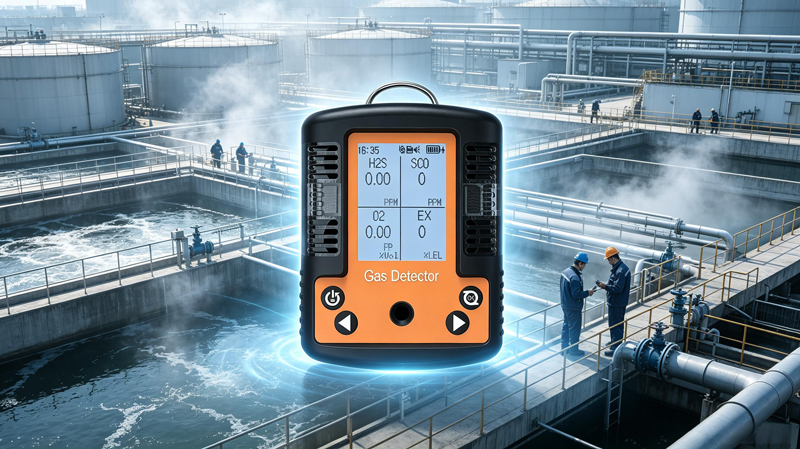
So, which gases are typical targets for combustible gas detectors? Common examples include: methane (the primary component of natural gas), propane, butane (liquefied petroleum gas, LPG), hydrogen, acetylene, gasoline vapors, solvent vapors (such as toluene, acetone, ethanol), and various volatile organic compounds (VOCs). These gases are prevalent in petroleum refining, chemical production, wastewater treatment, spray booths, laboratories, and even home kitchens. It is important to note that not all combustible gases can be effectively detected by every type of sensor. For instance, catalytic combustion sensors are prone to “poisoning” and deactivation when exposed to gases containing silicon, sulfur, or halogens (e.g., carbon disulfide, chloromethane). Conversely, while infrared sensors exhibit strong resistance to poisoning, they cannot detect diatomic molecules (e.g., hydrogen, oxygen) because these do not absorb infrared light. Therefore, users must select the appropriate sensor technology based on the specific application scenario.
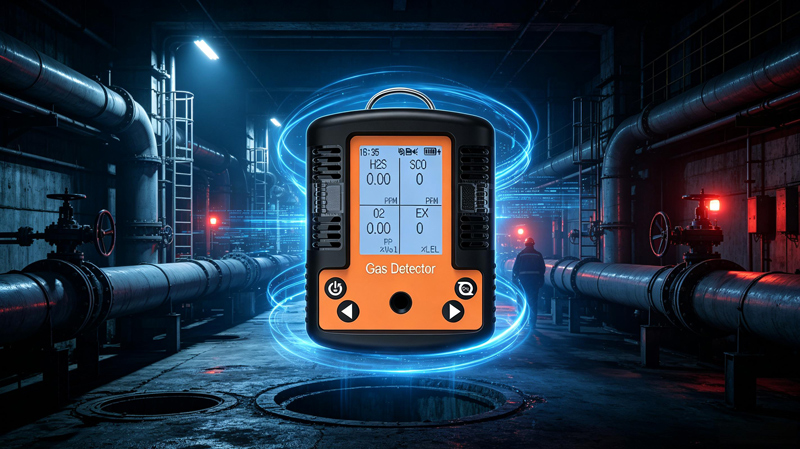
Furthermore, a commonly misunderstood notion is that “combustible gas detectors can detect carbon monoxide or hydrogen sulfide.” This is inaccurate. While carbon monoxide (CO) and hydrogen sulfide (H₂S) are combustible, their primary hazard lies in toxicity, not explosiveness. At low concentrations (well below LEL), they pose lethal threats to humans. Consequently, in multi-gas safety monitoring (e.g., confined space entry), quad-gas detectors are typically employed. The combustible gas channel (LEL) specifically addresses explosion risks, while CO, H₂S, and O₂ are monitored by dedicated electrochemical sensors. Confusing these functionalities can lead to severe misinterpretations.
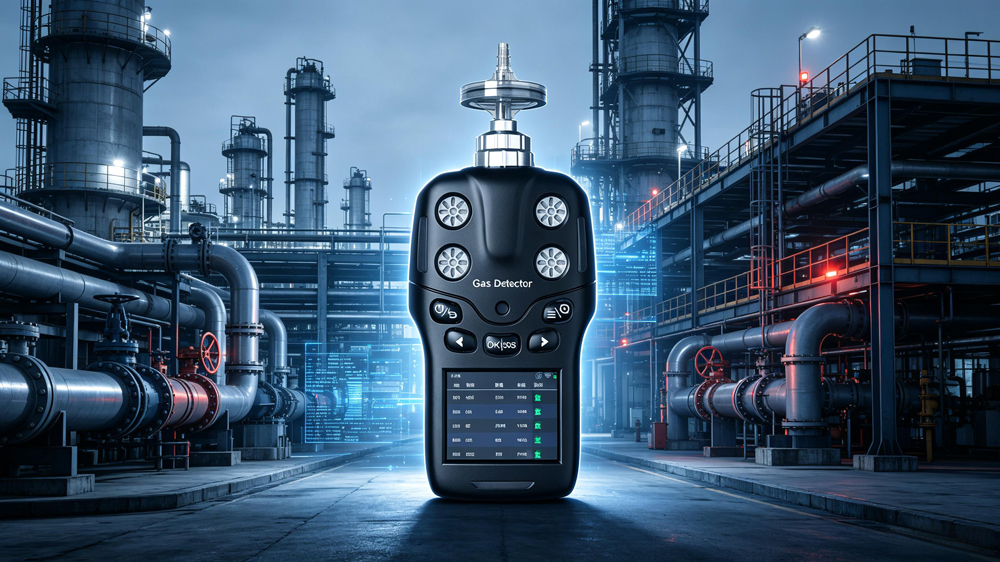
Finally, to ensure reliable detection, international standards (e.g., OSHA, ATEX, IEC 60079-29) mandate regular functional testing and calibration for combustible gas detectors. Functional testing is recommended before each use, with calibration performed at least monthly. Performance must be verified immediately after exposure to high-concentration gases or harsh environments. Concurrently, users must clearly understand the specific combustible gases potentially present in their environment and confirm the Relative Response Factor (RRF) of their detector for that gas, adjusting readings as necessary.
In summary, the core mission of combustible gas detectors is to warn of explosion risks, not to identify specific gas components or monitor toxicity. It is suitable for a broad category of gases and vapors possessing combustion or explosion potential, but technical selection and usage must be grounded in actual risk scenarios. For overseas users—particularly safety engineers, emergency responders, or facility managers—accurately understanding its detection scope and limitations is the first step in establishing an effective gas safety defense. In the face of “invisible dangers,” only the right tools combined with the right knowledge can truly safeguard lives and assets.
Related information
-
How to Calibrate a Portable four-in-one Gas Detectors?
Portable four-in-one gas detectors are core protective equipment in the industrial safety field. However, sensors can experience z...
2026-09-18 -
What are the application scenarios for portable four-in-one gas detectors?
Portable four-in-one gas detectors typically monitor oxygen (O₂), flammable gas (LEL), carbon monoxide (CO), and hydrogen sulfide...
2026-09-16 -
Portable four-in-one Gas Detectors User Manual
The portable four-in-one gas detectors is a core piece of personal protective equipment (PPE) for ensuring the safety of personnel...
2026-09-14 -

Calibration Specifications for Ammonia gas Detectors
Calibration of ammonia gas detectors is a core step in ensuring their measurement accuracy and alarm reliability. However, ammonia...
2026-09-11 -
What is the appropriate installation height for an ammonia gas detectors?
Ammonia (NH₃) has a relative density of only 0.59, much lighter than air. This means that in the event of a leak, the gas will qu...
2026-09-09
 info@eranntexgas.com sale1@eranntexgas.com


 15914124845