
What are the maintenance strategies for carbon monoxide detectors?
Publication Date:2026/02/27 Carbon monoxide detectors are critical devices for ensuring safety in
homes, industrial settings, and public buildings. As a colorless, odorless, and
non-irritating toxic gas, carbon monoxide can rapidly cause unconsciousness or
even death when concentrations reach dangerous levels. For this reason, ensuring
CO detectors remain in reliable working condition is paramount. For users,
establishing and implementing a systematic maintenance strategy not only
reflects sound safety practices but is often a fundamental regulatory
requirement. Below, Yiyuntian Eranntex outlines effective maintenance strategies
for carbon monoxide detectors across four key areas: daily operation, periodic
calibration, sensor management, and record keeping.
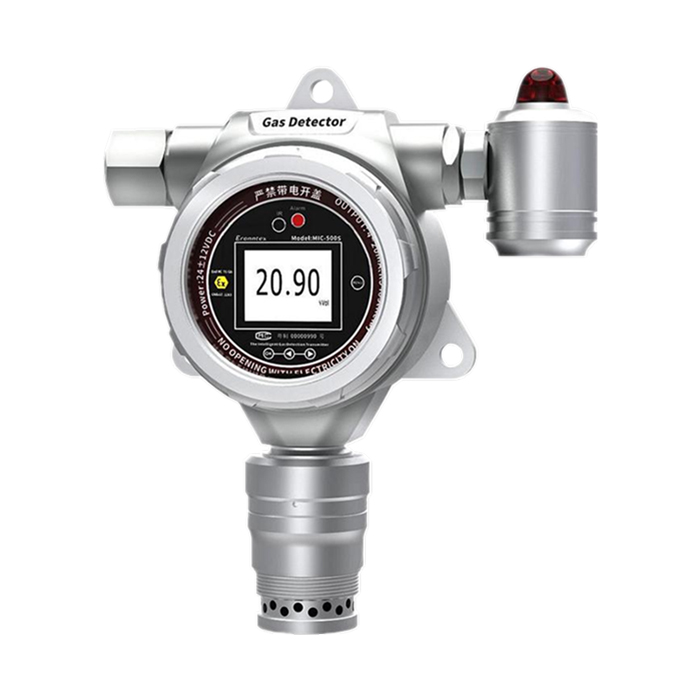
First, daily or pre-use functional testing is the most fundamental yet critical maintenance step. This test briefly exposes the device to a known concentration of CO calibration gas (typically 50–100 ppm) to verify sensor response speed, alarm sound, and indicator light functionality. This process takes only 30–60 seconds yet effectively detects sensor failure, filter clogging, or circuit malfunctions. In industrial settings, while OSHA does not mandate testing frequency, it explicitly requires employers to “ensure all safety equipment is in working order”—and functional testing provides the most direct means of demonstrating compliance. Many modern detectors also support automatic testing modes, further reducing the risk of human oversight.
Second, regular calibration is essential for maintaining measurement accuracy. Most manufacturers recommend comprehensive calibration every 30 days, particularly in high-risk or continuous monitoring scenarios. Calibration uses precisely concentrated standard gases to adjust instrument readings to match actual values. Immediate recalibration is required if a CO detector has been exposed to extremely high CO concentrations, extreme temperatures/humidity, silicone-based substances (common in cleaners and sealants), or physical impact. Notably, some electrochemical CO sensors are sensitive to cross-interference gases, and regular calibration also helps identify such deviations.
Third, sensor lifespan management must not be overlooked. Mainstream portable CO detectors typically employ electrochemical sensors with a typical lifespan of 2 to 3 years. Performance degrades due to natural electrolyte evaporation even with infrequent use. Replacement is indicated when the device displays “sensor failure,” exhibits slow response times, shows significant zero drift, or fails calibration. Fixed residential CO alarms are typically designed for complete replacement (lifespan approx. 5–10 years), while industrial equipment supports individual sensor module replacement. Users should maintain records of sensor activation dates and schedule replacements before expected lifespans expire to avoid operating with compromised sensors.
Finally, comprehensive maintenance records and personnel training form the essential foundation for implementing this strategy. International standards (e.g., ISO 45001) emphasize that all safety equipment maintenance activities must be traceable. Organizations are advised to maintain electronic or paper logs documenting each functional test, calibration, and sensor replacement—including date, operator, gas concentration used, and results. Concurrently, personnel should receive regular training to understand CO hazards, equipment limitations (e.g., inability to detect other toxic gases), proper testing methods, and emergency response protocols.
In summary, maintaining carbon monoxide detectors is not a one-time task but an ongoing process encompassing a closed-loop cycle of “testing—calibration—replacement—documentation.” For users, particularly corporate safety managers, adopting these strategies not only significantly enhances equipment reliability but also meets increasingly stringent health and safety regulatory requirements. After all, when confronting this “silent killer,” prevention always trumps reaction—and reliable maintenance is the first line of defense.
Related information
-
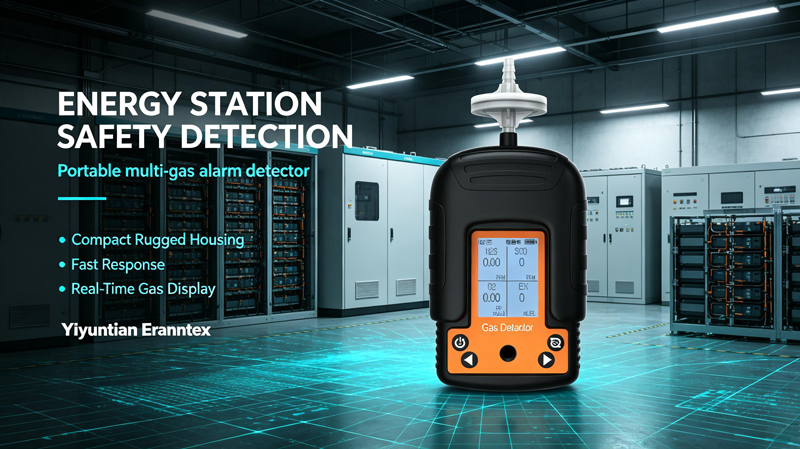
How to Calibrate a Portable four-in-one Gas Detectors?
Portable four-in-one gas detectors are core protective equipment in the industrial safety field. However, sensors can experience z...
2026-09-18 -
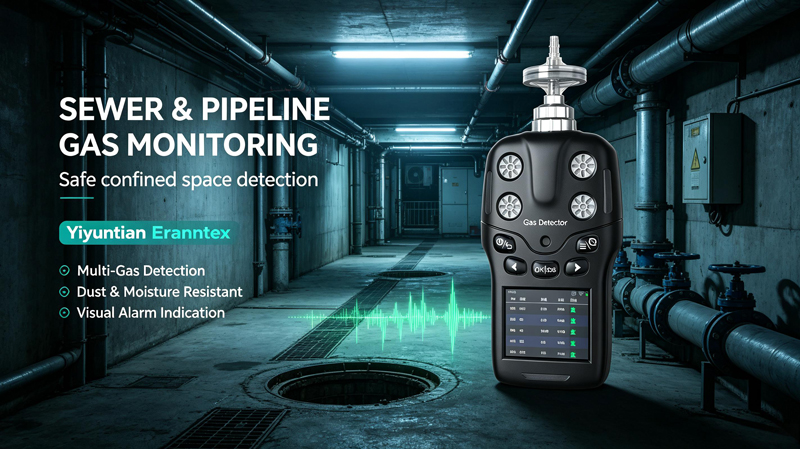
What are the application scenarios for portable four-in-one gas detectors?
Portable four-in-one gas detectors typically monitor oxygen (O₂), flammable gas (LEL), carbon monoxide (CO), and hydrogen sulfide...
2026-09-16 -
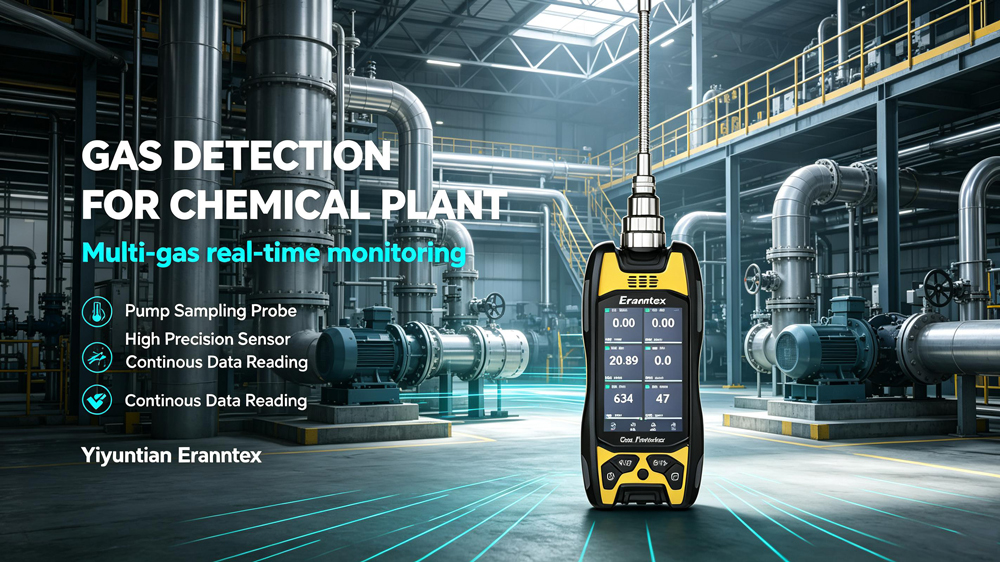
Portable four-in-one Gas Detectors User Manual
The portable four-in-one gas detectors is a core piece of personal protective equipment (PPE) for ensuring the safety of personnel...
2026-09-14 -

Calibration Specifications for Ammonia gas Detectors
Calibration of ammonia gas detectors is a core step in ensuring their measurement accuracy and alarm reliability. However, ammonia...
2026-09-11 -
What is the appropriate installation height for an ammonia gas detectors?
Ammonia (NH₃) has a relative density of only 0.59, much lighter than air. This means that in the event of a leak, the gas will qu...
2026-09-09
 info@eranntexgas.com sale1@eranntexgas.com


 15914124845