
Regulations on Service Life of Combustible Gas Detectors
Publication Date:2026/01/30In the petroleum, natural gas, chemical manufacturing, and general industrial sectors, combustible gas detectors serve as the first line of defense for personnel safety and preventing catastrophic accidents. However, a question that often perplexes corporate safety managers and procurement personnel is: “How long can this equipment actually last?” There is no universally agreed-upon, simple number for the service life of a combustible gas detectors. Its lifespan is strictly constrained by technical and physical limitations, sensor aging mechanisms, and industry best practices. For users, understanding the true meaning of “service life” is not only essential for budget planning but also critical for compliance with international safety standards and local regulations.
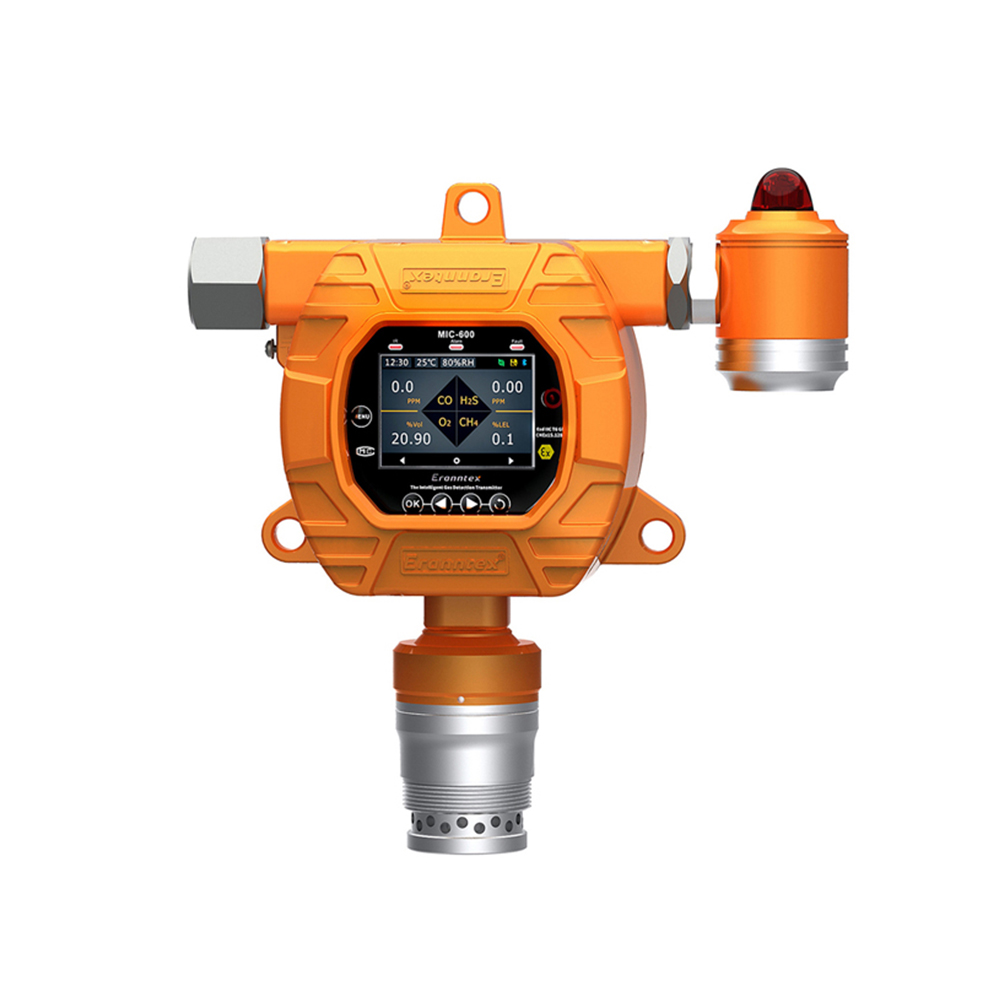
I. Sensor Lifespan:
When discussing the lifespan of a combustible gas detectors, we are essentially referring to the lifespan of its core component—the sensor. Sensors are consumables, and their lifespan directly determines the effective operational period of the device.
Catalytic Combustion Sensors: This is the most common technology for detecting combustible gases (LEL). It operates by utilizing a Wheatstone bridge to measure the heat generated when gas is combusted over a catalyst, which in turn alters the resistance value. Typical service life for this sensor type ranges from 2 to 5 years. However, this is not absolute. If the device is frequently exposed to high gas concentrations (exceeding full scale) or “inhibitors” like silicone vapors, hydrogen sulfide, or lead compounds, the sensor can rapidly become poisoned or degrade, potentially shortening its lifespan to mere months or even causing instant failure.
Infrared (NDIR) Sensors: With technological advancements, an increasing number of combustible gas detectors now employ infrared principles. These sensors operate by detecting a gas's absorption of infrared radiation at specific wavelengths. Since no combustion reaction is involved, they are less prone to poisoning and less affected by environmental factors. Infrared sensors typically have a longer lifespan, generally lasting 5 to 10 years.
Therefore, whether your device is “expired” primarily depends on the type of sensor it uses and the environment it operates in.
II. Device Body:
Sensors can be replaced, but the lifespan of the device body is constrained by electronic components and regulatory changes.
Electronics and Physical Aging: The housing, circuit boards, batteries, and screens of combustible gas detectors also have physical limits. Lithium batteries typically experience significant capacity decline after 300-500 charge cycles (usually around 2-3 years), potentially requiring replacement. Frequent drops, harsh corrosive environments (e.g., marine salt spray), or extreme temperatures can compromise housing seals, thereby affecting explosion-proof certification. Once explosion-proof integrity is compromised, the device must be immediately retired.
Technical and Regulatory Obsolescence: In developed markets like Europe and the US, technological iteration and regulatory updates often outpace physical deterioration. For instance, the EU's ATEX directive or International Electrotechnical Commission (IEC) standards undergo periodic revisions. A device compliant five years ago may become prohibited for use in hazardous areas due to non-compliance with 2024 standards (e.g., wireless communication security requirements, new software protocols). This “expiration of compliance” is often regarded by industry as the practical end-of-life for equipment.
III. Internationally Recognized “Retirement Criteria”:
While no law explicitly mandates that a combustible gas detectors “must” be scrapped after X years, international standards provide clear criteria for judgment. When any of the following conditions occur, the equipment must be decommissioned or undergo major overhaul regardless of its external condition:
Failure to Calibrate: When calibrating with standard gases, if the sensor cannot adjust to the target value or if drift exceeds the manufacturer's specified range (typically ±5% LEL), this indicates the sensor has reached end-of-life.
Response Time (T90) Exceeded: Per international standards (e.g., IEC 60079-29-1), the response time of a combustible gas detectors must be within the specified seconds (e.g., T90 < 15 seconds). If the device exhibits sluggish response, it must be retired even if readings are accurate, as these seconds of delay in an emergency can mean the difference between life and death.
Manufacturer End-of-Support: The device's lifecycle ends when the manufacturer discontinues production of that model and ceases supplying spare parts (e.g., sensors, batteries). Using equipment without original manufacturer support poses a significant risk during safety audits.
IV. Best Practices for Users:
For users, rather than seeking a fixed retirement lifespan, it is more effective to establish a strategy based on full lifecycle management:
Create a “Birth Record”: Document the purchase date, sensor installation date, and activation date for each device. Do not rely solely on the device's production date, as inventory backlogs mean the actual lifespan begins on the day it is put into service.
Develop an “Early Warning Plan”: Do not wait until the device completely fails. For example, if a sensor has a 3-year lifespan, order replacements or plan rotations starting in the 2.5th year.
Distinguish Between “Sensor Replacement” and “Retirement”: For expensive infrared detectors, replace only the sensor. For inexpensive catalytic combustion detectors, retiring the entire unit may be more cost-effective if the housing is degraded, while also enabling upgrades to newer technology.
The service life of combustible gas detectors is not a fixed number but results from the combined effects of sensor aging, electronic component lifespan, environmental corrosion, and regulatory compliance. For professional users, “functional operation” does not equate to “safe operation.”
Related information
-
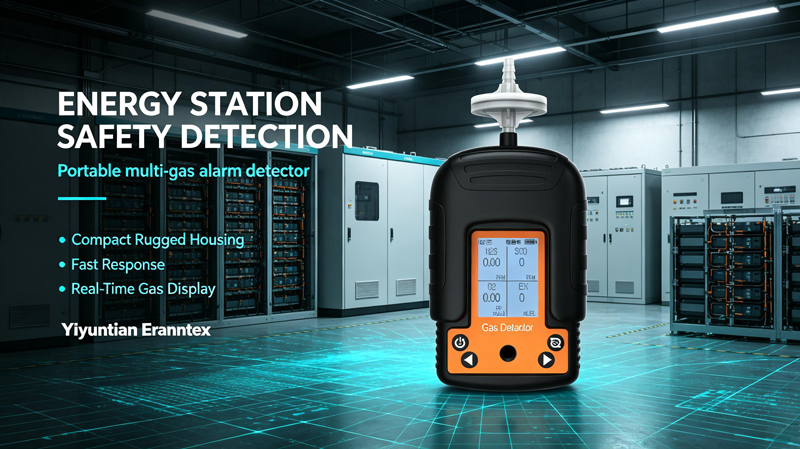
How to Calibrate a Portable four-in-one Gas Detectors?
Portable four-in-one gas detectors are core protective equipment in the industrial safety field. However, sensors can experience z...
2026-09-18 -
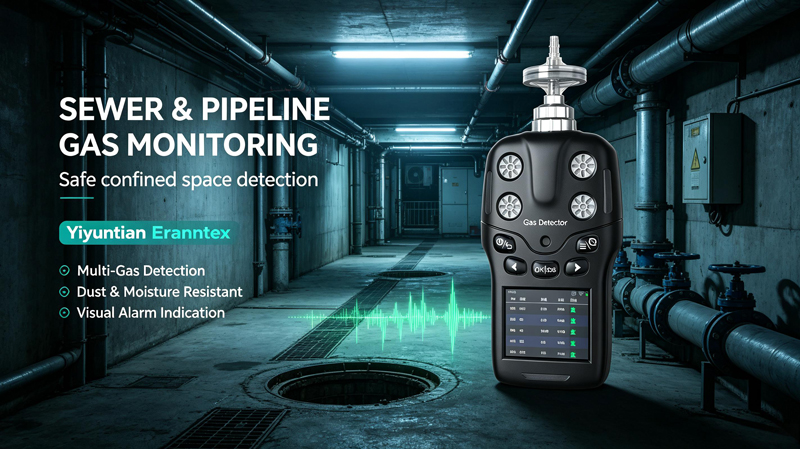
What are the application scenarios for portable four-in-one gas detectors?
Portable four-in-one gas detectors typically monitor oxygen (O₂), flammable gas (LEL), carbon monoxide (CO), and hydrogen sulfide...
2026-09-16 -
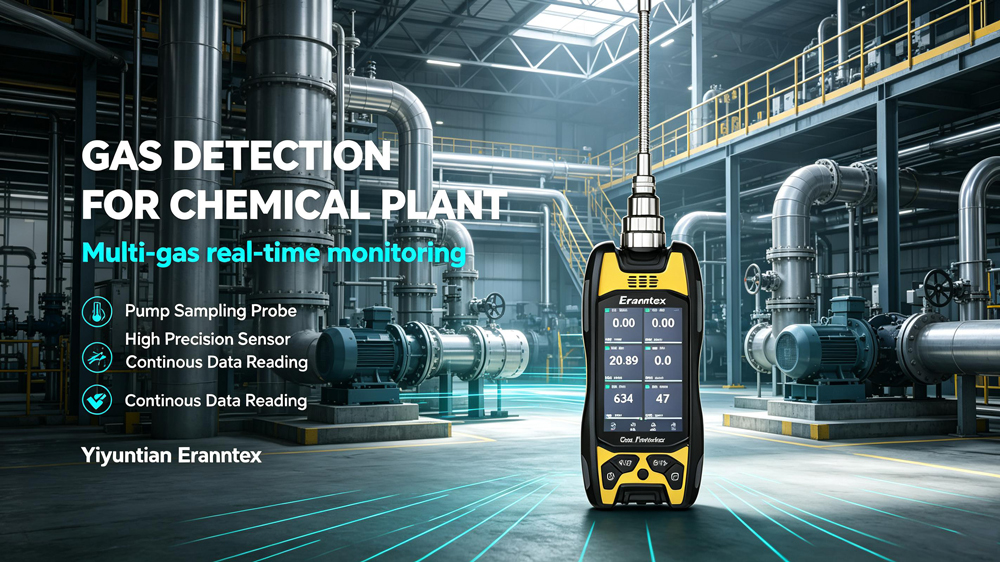
Portable four-in-one Gas Detectors User Manual
The portable four-in-one gas detectors is a core piece of personal protective equipment (PPE) for ensuring the safety of personnel...
2026-09-14 -

Calibration Specifications for Ammonia gas Detectors
Calibration of ammonia gas detectors is a core step in ensuring their measurement accuracy and alarm reliability. However, ammonia...
2026-09-11 -
What is the appropriate installation height for an ammonia gas detectors?
Ammonia (NH₃) has a relative density of only 0.59, much lighter than air. This means that in the event of a leak, the gas will qu...
2026-09-09
 info@eranntexgas.com sale1@eranntexgas.com


 15914124845