
Can a carbon dioxide detectors detect other gases?
Publication Date:2025/12/24In the field of industrial operations, ensuring a safe and well-monitored working environment is crucial. Among the various tools and equipment used for this purpose, carbon dioxide detectors have become a key component. For those deeply involved in the industrial sector, a fundamental question often arises: can a carbon dioxide detector really detect gases? Below, Yiyuntian Eranntex will provide a detailed explanation.
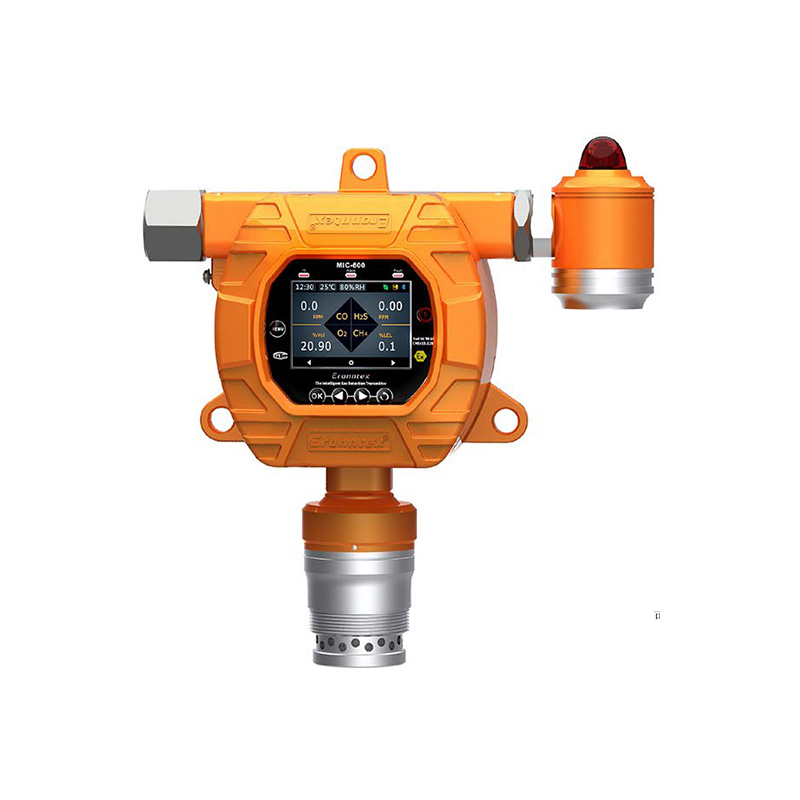
The Core Function of a Carbon Dioxide Detector
Essentially, a carbon dioxide detector is specifically designed to detect a particular gas—carbon dioxide (CO₂). In industrial environments, the sources of carbon dioxide are diverse. For example, in breweries and wineries, microorganisms break down sugars during fermentation, releasing carbon dioxide as a byproduct. In some chemical manufacturing plants, chemical reactions can also release large amounts of carbon dioxide. If the concentration of carbon dioxide in the air exceeds safe levels, it poses a serious threat to the health and safety of workers. High concentrations of carbon dioxide can cause dizziness, shortness of breath, and in extreme cases, even suffocation. Therefore, the primary and direct function of a carbon dioxide detector is to accurately measure the concentration of carbon dioxide gas in the air of industrial environments.
Detection Principles Enable Accurate Detection
The ability of a carbon dioxide detector to detect gases is due to its advanced detection principles. One common type is based on infrared (IR) sensors. Carbon dioxide molecules have a unique characteristic: they absorb infrared light at specific wavelengths. When infrared light shines on an air sample containing carbon dioxide, the amount of light absorbed is proportional to the concentration of carbon dioxide in the air. The detector measures the intensity of the transmitted light and uses this information to calculate the concentration of carbon dioxide. This principle allows the detector to perform highly accurate and reliable detection of carbon dioxide gas, even in complex industrial environments where other gases are present.
Another type is based on electrochemical sensors. In an electrochemical carbon dioxide sensor, carbon dioxide gas reacts chemically with the electrolyte inside the sensor. This reaction produces an electric current, and the magnitude of the current is related to the concentration of carbon dioxide. By measuring the electrical signal, the detector can determine the amount of carbon dioxide in the air. These advanced detection principles ensure that carbon dioxide detectors can effectively differentiate between carbon dioxide and other gases, providing accurate readings.
Practical Applications in Industrial Environments
In real-world industrial settings, the ability of carbon dioxide detectors to detect gases has been repeatedly verified. In underground mining operations, where ventilation is crucial, carbon dioxide detectors are installed in various locations to continuously monitor carbon dioxide concentrations. If the concentration begins to rise, it may indicate a problem with the ventilation system or the presence of a fire or other source of carbon dioxide. This early warning allows miners to take immediate action, such as evacuating the area or adjusting the ventilation system, to prevent potential disasters.
In large warehouses and cold storage facilities, carbon dioxide detectors are used to monitor air quality. In these environments, forklifts and other equipment may use propane or other fuels, which produce carbon dioxide when burned. Additionally, stored agricultural products release carbon dioxide through respiration. By detecting the gas, the detectors help maintain a safe working environment for employees and ensure the quality of stored goods.
In some chemical production plants, different chemical reactions may produce carbon dioxide as a product or byproduct. Carbon dioxide detectors can monitor the concentration of carbon dioxide during the reaction process in real time, helping operators adjust reaction conditions promptly to ensure the safety and stability of the production process. If the carbon dioxide concentration rises abnormally, it may indicate a runaway reaction or other safety hazards, allowing operators to quickly take measures to prevent accidents.
In summary, carbon dioxide detectors do indeed possess the ability to detect gases, particularly carbon dioxide. Their carefully designed detection principles and proven track record in industrial applications make them an indispensable tool for ensuring safety and quality in the industrial sector.
Related information
-
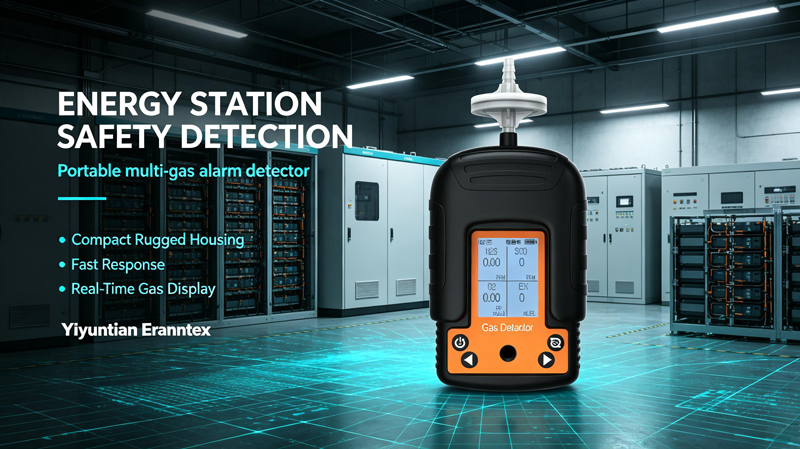
How to Calibrate a Portable four-in-one Gas Detectors?
Portable four-in-one gas detectors are core protective equipment in the industrial safety field. However, sensors can experience z...
2026-09-18 -
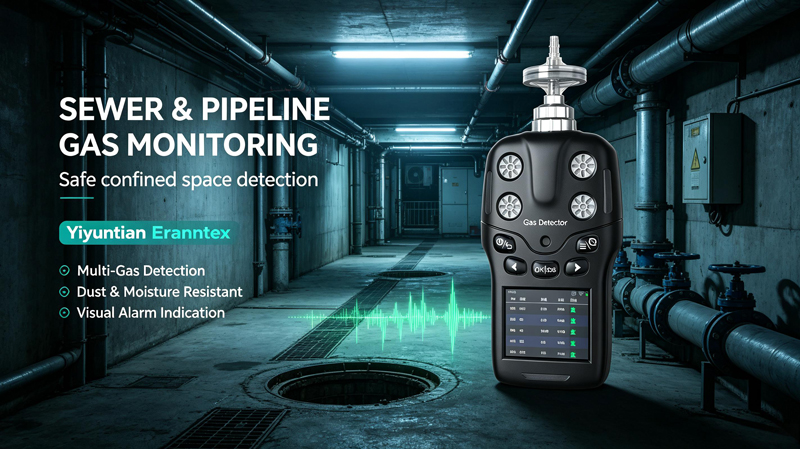
What are the application scenarios for portable four-in-one gas detectors?
Portable four-in-one gas detectors typically monitor oxygen (O₂), flammable gas (LEL), carbon monoxide (CO), and hydrogen sulfide...
2026-09-16 -
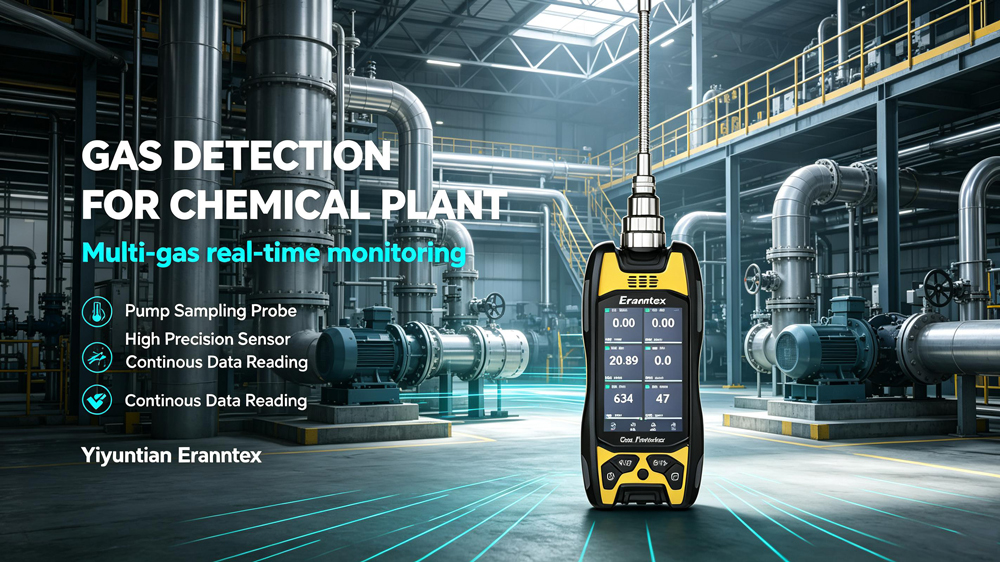
Portable four-in-one Gas Detectors User Manual
The portable four-in-one gas detectors is a core piece of personal protective equipment (PPE) for ensuring the safety of personnel...
2026-09-14 -

Calibration Specifications for Ammonia gas Detectors
Calibration of ammonia gas detectors is a core step in ensuring their measurement accuracy and alarm reliability. However, ammonia...
2026-09-11 -
What is the appropriate installation height for an ammonia gas detectors?
Ammonia (NH₃) has a relative density of only 0.59, much lighter than air. This means that in the event of a leak, the gas will qu...
2026-09-09
 info@eranntexgas.com sale1@eranntexgas.com


 15914124845