
What are the alarm thresholds for a four-in-one detectors?
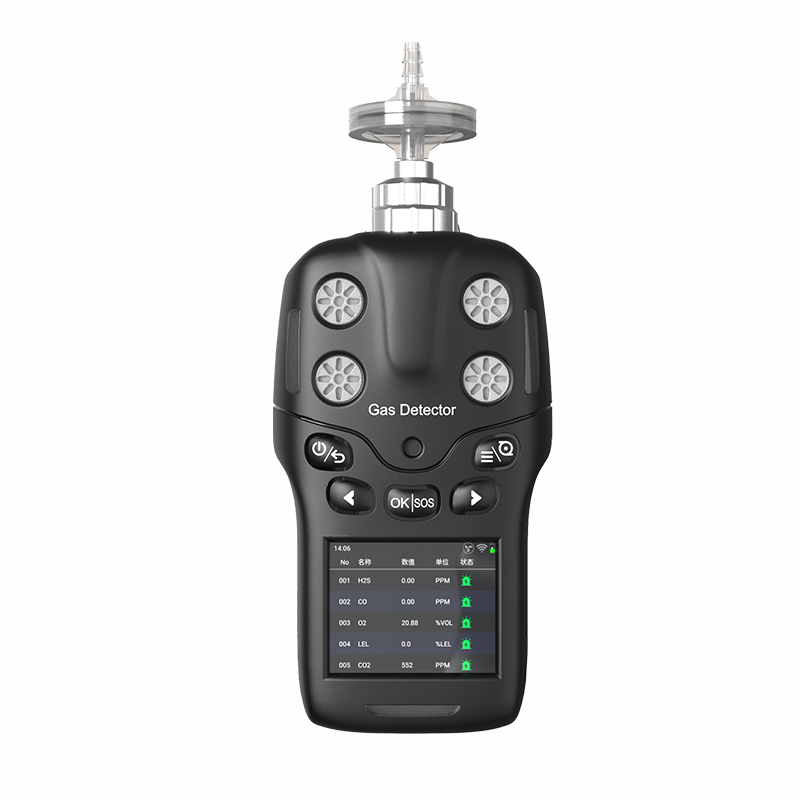
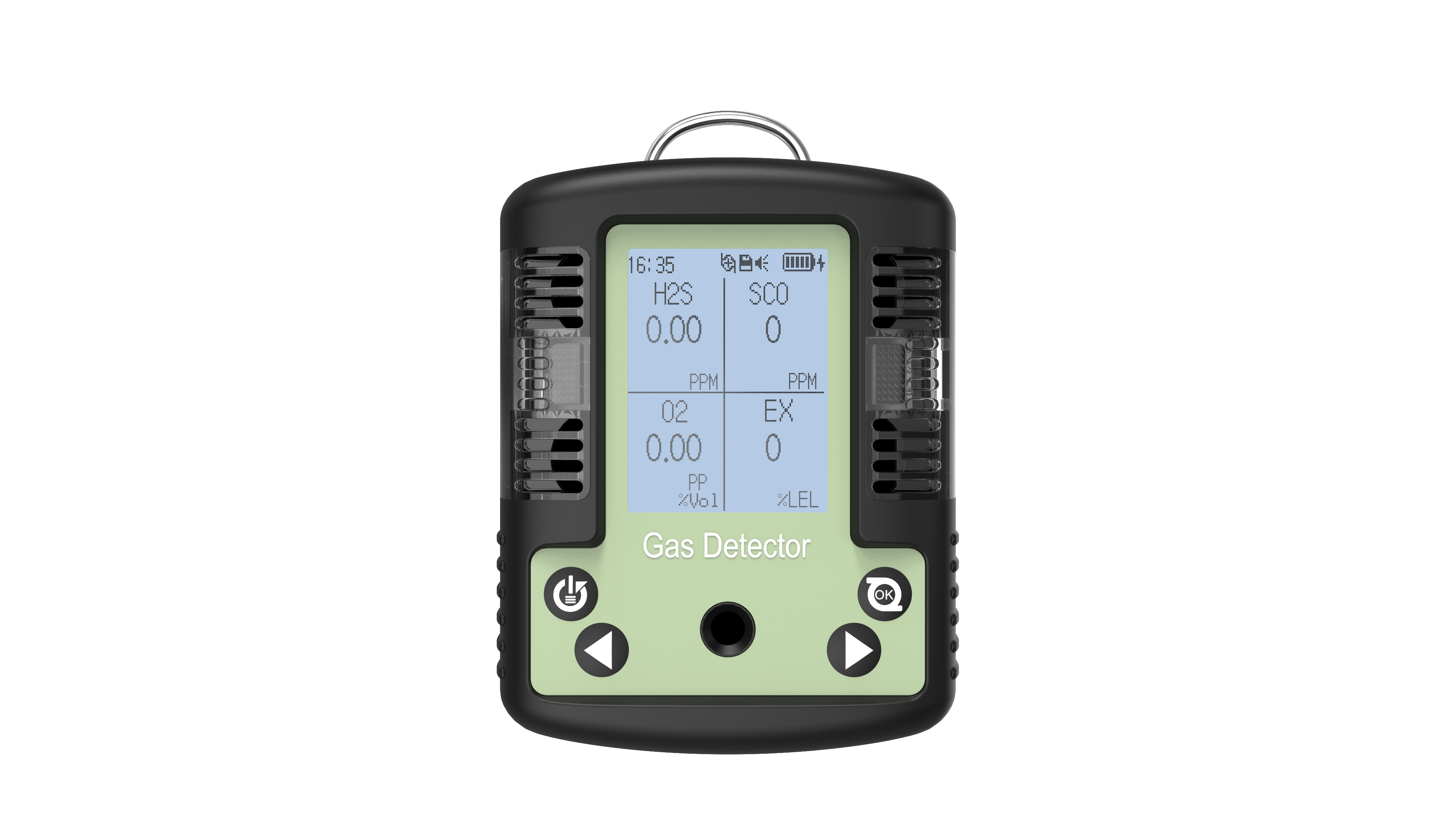
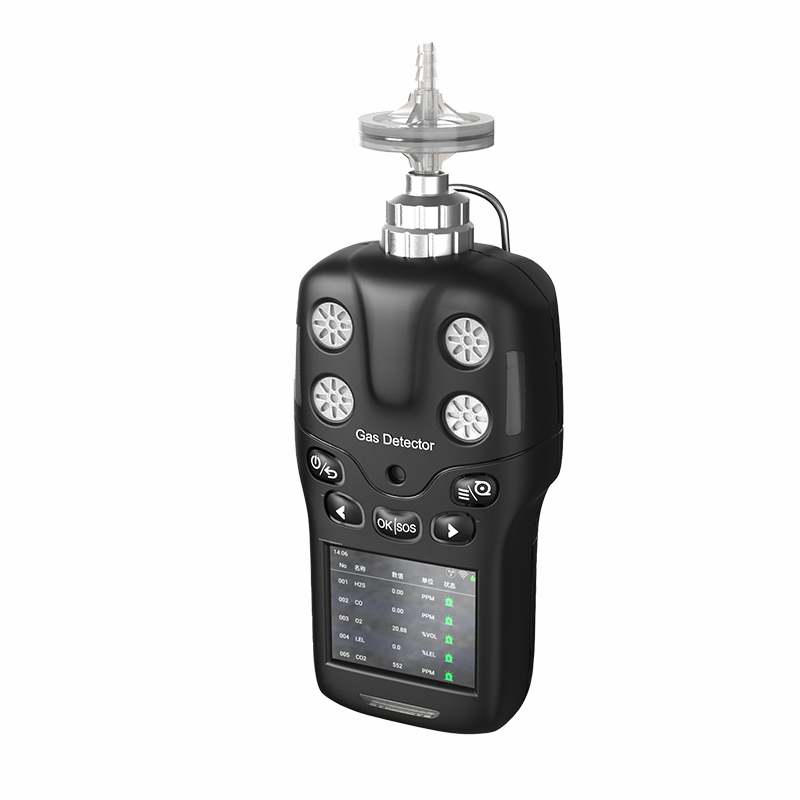
In industrial safety, the four-in-one detectors serves as a core device for preventing toxic gas leaks and safeguarding personnel. It simultaneously monitors four critical gases—combustible gases (e.g., methane), oxygen, carbon monoxide, and hydrogen sulfide—and triggers risk alerts via preset alarm thresholds. Below, Yiyuntian Eranntex systematically explains the alarm threshold setting logic and operational standards for four-in-one detectors based on international standards and industry practices.
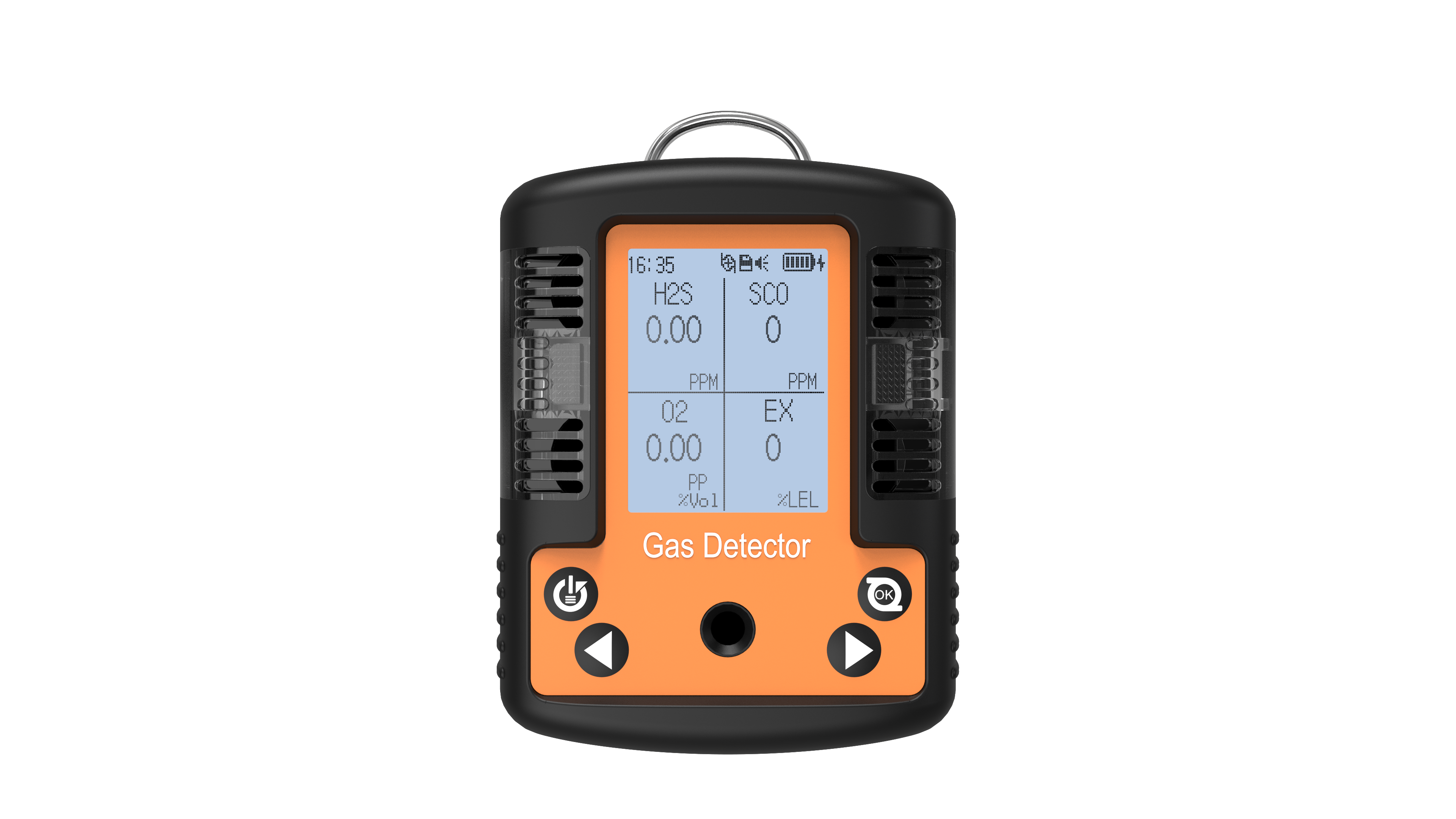
I. Internationally Recognized Alarm Value Standards
Alarm settings for four-in-one detectors must strictly adhere to safety regulations established by organizations such as the Occupational Safety and Health Administration (OSHA), the National Institute for Occupational Safety and Health (NIOSH), and the International Electrotechnical Commission (IEC). Below are typical alarm thresholds for the four gases:
1. Flammable Gas (Using Methane as Example)
Low Alarm Threshold (Level 1 Alarm): 25% LEL (25% of Lower Explosive Limit)
When methane concentration in the environment reaches this level, it indicates a potential leak risk. Immediate initiation of patrol procedures to locate the leak source is required.
High Alarm Threshold (Level 2 Alarm): 50% LEL
At this point, gas concentration approaches the critical explosion threshold. Emergency shutdown procedures must be executed, personnel must evacuate to safe zones, and all potential ignition sources must be eliminated.
2. Oxygen (O₂)
Low Alarm: 19.5% VOL (Volume Percentage)
Hypoxic environments impair judgment and motor coordination. Prolonged exposure may cause irreversible brain damage.
High Alarm Value: 23.5% VOL
Oxygen-enriched environments significantly lower material ignition points, transforming routine factors like static electricity and equipment sparks into major ignition sources, substantially increasing the probability of deflagration incidents.
3. Carbon Monoxide (CO)
Low Alarm Value: 24 ppm (parts per million)
Prolonged exposure at this concentration for 8 hours reduces blood oxygen-carrying capacity by 30%, causing preliminary poisoning symptoms like headaches and nausea.
High Alarm Threshold: 160 ppm
Exposure for just 1 hour may cause impaired consciousness, requiring immediate activation of forced ventilation systems and emergency medical intervention.
4. Hydrogen Sulfide (H₂S)
Low Alarm Threshold: 6 ppm
The characteristic rotten egg odor serves as an auxiliary warning, but olfactory nerves rapidly become numb and fail at high concentrations.
High Alarm Threshold: 20 ppm
Exposure for 10 minutes causes respiratory tract burns. Be vigilant for the “rebound phenomenon”—continuous leakage from the source may cause detected levels to briefly drop before sharply rising again, creating a secondary injury trap.
II. Alarm Threshold Configuration Procedure
Using a mainstream quad-gas detector as an example, alarm threshold setup requires the following steps:
Power-on Self-Test: Press and hold the power button for 3 seconds. After startup, the four-in-one detectors enters self-test mode to verify sensor and display functionality.
Access Menu Interface: Press the “MENU” button. Use the directional keys to select the “Gas Settings” option.
Select Target Gas: Choose the gas type requiring adjustment from the list (e.g., methane, oxygen).
Modify Alarm Thresholds: Enter the initial password (typically “0000” or “1234”), then set the primary alarm level (AL) and secondary alarm level (AH) separately. Ensure the unit matches the device's default setting (e.g., ppm, %VOL, LEL).
Save Settings: After confirming the values are correct, press the “Confirm” button to save and return to the main menu.
III. Key Precautions
Regular Calibration: Calibrate the four-in-one detectors with standard gas every 3-6 months to ensure detection accuracy. Shorten the calibration cycle if used in harsh environments (e.g., high humidity, high dust).
Environmental Adaptability: Avoid operation in extreme temperatures (-20°C to 50°C) or environments with strong electromagnetic interference to prevent sensor performance degradation.
Alarm Response: When the four-in-one detectors triggers audible and visual alarms, immediately cease operations, evacuate to a safe area, and report to the site supervisor. Never disable the alarm function due to false alarms.
Data Logging: Enable the device's data logging function. Regularly export detection data to analyze risk trends and provide a basis for safety management.
Setting alarm thresholds for the four-in-one detectors is a critical aspect of industrial safety management. By scientifically setting thresholds, standardizing operating procedures, and strengthening routine maintenance, the early warning capabilities of the four-in-one detector can be maximized, establishing a reliable safety barrier for personnel.
Related information
-
How to Calibrate an Oxygen Detectors to Ensure Accuracy?
In fields such as industrial safety, confined space operations, environmental monitoring, and even medical support, the measuremen...
2026-01-14 -
What is the measurement range of an oxygen detectors?
Oxygen detectors are indispensable equipment in industrial safety, environmental monitoring, and confined space operations. Accura...
2026-01-13 -
What is the normal oxygen concentration for an oxygen detectors?
Oxygen (O₂) is a vital gas for sustaining human life and most combustion processes. However, both excessively high and low oxygen...
2026-01-12 -
How Do Nitrogen Oxide Detectors Work?
Against a backdrop of growing global concern over air quality and emissions compliance, the precise monitoring of nitrogen oxides ...
2026-01-09 -
Operating Instructions for Nitrogen Oxide Detectors
Nitrogen oxides (NOₓ, primarily comprising nitrogen monoxide NO and nitrogen dioxide NO₂) are significant atmospheric pollutants...
2026-01-07
 info@eranntexgas.com


 13480931872