
How often should a Four-in-One Detectors be tested?
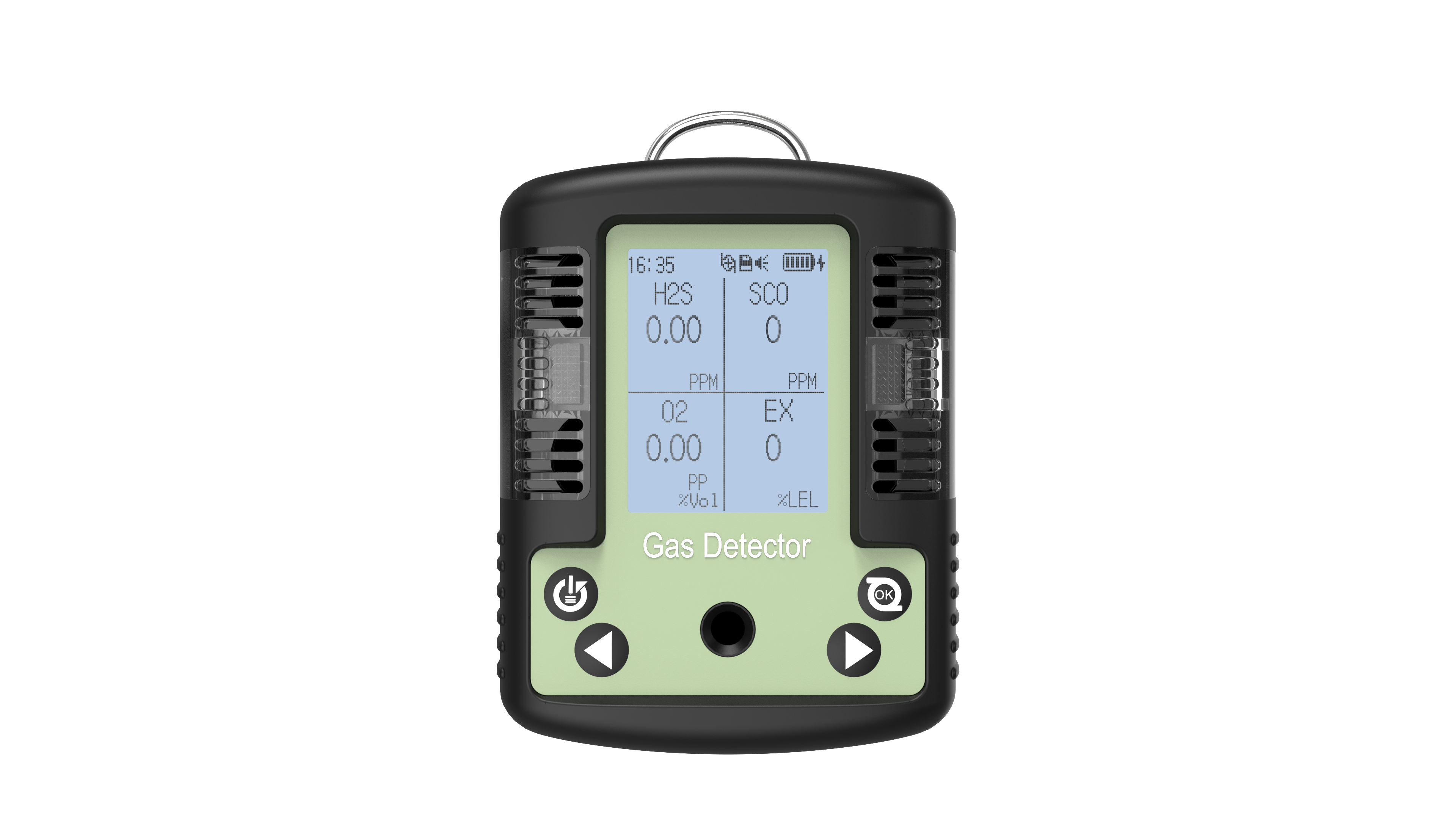
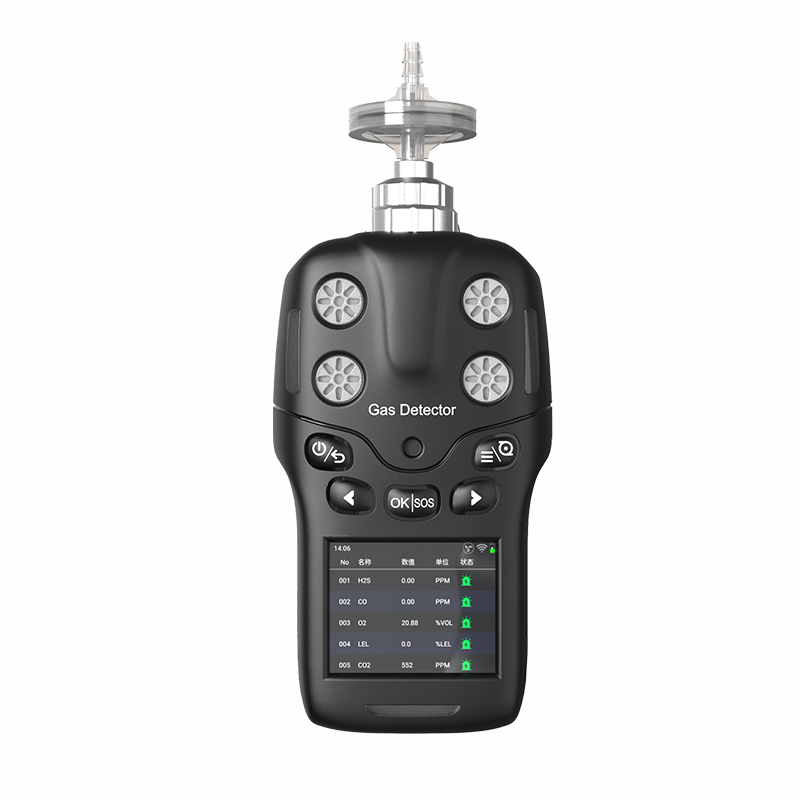
The Four-in-One Detectors serves as a cornerstone in industrial safety, simultaneously monitoring oxygen, combustible gases, carbon monoxide, and hydrogen sulfide to provide critical real-time protection for workers. However, a common and crucial question often troubles safety managers and frontline employees: “How often should my Four-in-One Detectors actually be tested?” This question cannot be answered with a simple number, as it involves two distinct types of “testing”: functional testing and comprehensive calibration. For users, understanding the difference between these two, the logic behind their frequencies, and regulatory requirements is key to ensuring safety compliance and equipment reliability. Below, Yiyuntian Eranntex explains.
I. Two Core “Tests”: Functional Testing vs. Comprehensive Calibration
First, we must clearly distinguish two concepts: functional testing and full calibration. Confusing the two is a common cause of safety vulnerabilities.
Functional Testing: Also known as “bump testing” or “field testing.” This is a quick verification to confirm the detector's sensors respond to target gases and all alarm functions (audible, visual, vibration) work properly. During testing, a small amount of bump gas (a known concentration of target gas) is applied to the sensor to observe whether the device alarms correctly. This process typically takes only tens of seconds.
Comprehensive Calibration: This is a more in-depth and precise process designed to adjust the detector's readings to perfectly match those of a standard gas of known concentration. Calibration resets the sensor's zero point and sensitivity, ensuring absolute accuracy in measurements. This process requires calibration cylinders, pressure regulators, and flow meters, making it relatively complex to perform.
Simply put, a functional test asks: “Are you still working properly?” while a full calibration declares: “I'm making you absolutely accurate.”
II. Functional Test Frequency: Before Each Use is the Gold Standard
Regarding functional testing frequency, the international safety community consensus is: Perform a functional test before every use.
This “before every use” rule isn't excessive caution—it's born from hard lessons. Between uses, detectors may endure unknown impacts: being dropped, exposed to extreme temperatures, encountering inhibitory chemicals, or simply experiencing natural sensor degradation. Any of these factors could cause the device to fail at a critical moment.
Imagine a worker entering a confined space without performing a functional test—they might be carrying a “silent killer”: a device that appears normal but can no longer sound an alarm. Consequently, many international safety standards, such as those mandated by the U.S. Occupational Safety and Health Administration (OSHA), strictly require functional testing before every use. For users, adhering to this best practice is not only essential for safety but also a fundamental requirement to comply with local regulations.
III. Comprehensive Calibration Frequency: Adjusted Based on Manufacturer Recommendations and Operating Environment
Comprehensive calibration frequency is more flexible, primarily determined by three factors: manufacturer recommendations, equipment operating environment, and regulatory requirements.
1. Manufacturer Recommendations: Most detector manufacturers recommend calibration cycles of every 1 to 3 months. This serves as a general guideline based on typical sensor decay rates. Your equipment manual will specify the recommended calibration interval.
2. Operating Environment: This is the most critical variable. If your equipment operates in harsh conditions, calibration frequency must increase.
Harsh Environments: For instance, locations with high concentrations of gases, dust, humidity, or extreme temperatures—such as chemical plants, mines, or wastewater treatment facilities—require calibration at least monthly.
General Environments: If the device is used only occasionally in relatively clean indoor environments, the manufacturer's minimum recommendation (e.g., calibration every 3 months) may be followed.
After Abnormal Events: If the device experiences physical impact (e.g., a fall), exposure to high-concentration gases, or suspected exposure to inhibitory substances, immediate calibration is required regardless of the previous calibration date.
3. Regulatory Requirements: Certain countries or industries may enforce stricter calibration regulations. For example, in the oil and gas industry, some companies mandate monthly calibration for all portable gas detectors. As a user, you must understand and comply with mandatory regulations in your region.
4. Establish Clear Detection Records and Documentation Management
Regardless of the calibration frequency you choose, establishing a comprehensive record-keeping system is crucial. This serves not only to meet audit and compliance requirements but also to track the health status of each device and enable predictive maintenance.
Your records should minimally include: device serial number, functional test date and results, comprehensive calibration date and results, operator name, and details of the calibration gas used. Modern detectors and software systems can automatically log this data and generate reports, significantly streamlining management processes. This historical data provides robust support for decision-making when equipment malfunctions or sensor replacement is needed.
Conclusion: From “How Often” to “How to Manage”
In summary, the testing frequency for four-in-one detectors isn't a fixed answer but a risk-based management strategy. For users, the safest practice is: perform a functional test before each use and establish a reasonable comprehensive calibration cycle (typically 1-3 months) based on manufacturer recommendations, usage environment, and regulatory requirements.
Ultimately, the goal should not be mechanically answering “how often,” but establishing a comprehensive, reliable, and compliant equipment management culture. Only through proper testing and calibration can you ensure your four-in-one detector remains a trusted guardian of life.
Related information
-
How to Calibrate an Oxygen Detectors to Ensure Accuracy?
In fields such as industrial safety, confined space operations, environmental monitoring, and even medical support, the measuremen...
2026-01-14 -
What is the measurement range of an oxygen detectors?
Oxygen detectors are indispensable equipment in industrial safety, environmental monitoring, and confined space operations. Accura...
2026-01-13 -
What is the normal oxygen concentration for an oxygen detectors?
Oxygen (O₂) is a vital gas for sustaining human life and most combustion processes. However, both excessively high and low oxygen...
2026-01-12 -
How Do Nitrogen Oxide Detectors Work?
Against a backdrop of growing global concern over air quality and emissions compliance, the precise monitoring of nitrogen oxides ...
2026-01-09 -
Operating Instructions for Nitrogen Oxide Detectors
Nitrogen oxides (NOₓ, primarily comprising nitrogen monoxide NO and nitrogen dioxide NO₂) are significant atmospheric pollutants...
2026-01-07
 info@eranntexgas.com


 13480931872