
Do carbon dioxide detectors expire?
Publication Date:2025/12/22Amidst the global industrial boom and increasingly stringent workplace safety and environmental quality controls, carbon dioxide detectors have become essential equipment across numerous industrial sectors for ensuring production safety and maintaining environmental stability. For practitioners and enterprises abroad who prioritise industrial production standards and personnel safety, a common and critical question arises: Do carbon dioxide detectors expire? Below, Yiyuntian Eranntex provides an explanation.
Hardware Composition and Potential Degradation
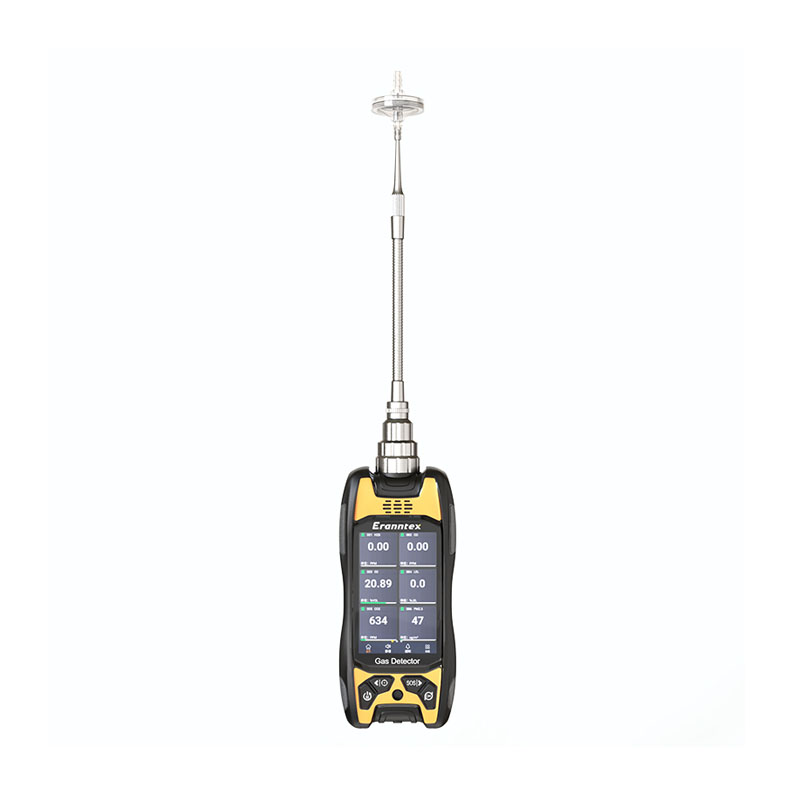
Carbon dioxide detectors typically comprise sensors, circuit boards, display screens, and casings. The sensor, as the core component, bears the responsibility of detecting atmospheric carbon dioxide concentrations and converting them into electrical signals. In industrial settings, common sensors include electrochemical and infrared variants.
Electrochemical sensors contain specific chemical compounds that gradually degrade and deteriorate over time and with usage. In industrial settings, where CO₂ levels may fluctuate frequently, sensors must continuously monitor and respond, accelerating the depletion of these internal chemicals. Much like a machine operating under heavy loads experiences accelerated component wear, electrochemical sensors exhibit a noticeable decline in detection accuracy and response speed after prolonged use, failing to accurately reflect ambient CO₂ concentrations.
Infrared sensors, while relatively more stable, face challenges in complex industrial settings. Contaminants such as dust and oil residues readily adhere to sensor surfaces, impairing infrared absorption and reflection, thereby introducing measurement inaccuracies. Furthermore, mechanical stresses like vibration and impact present in industrial environments may damage the internal structure of infrared sensors, adversely affecting their performance.
The circuit board, serving as the detector's “brain”, processes signals from sensors and displays results. Within industrial settings, circuit boards face multiple challenges. High temperatures accelerate component ageing, altering parameter values and causing circuit instability; humid air may cause moisture ingress, leading to short circuits; furthermore, electromagnetic interference present in industrial environments can disrupt normal circuit board operation, compromising the detector's accuracy and reliability.
The display screen provides a visual representation of carbon dioxide concentration levels. Prolonged use may result in blurred visuals, flickering, or even complete blackouts. Within industrial settings, the screen may also sustain physical damage from impacts or scratches, further compromising functionality. While seemingly straightforward, the housing plays a vital role in safeguarding internal components. Corrosive gases and chemicals present in industrial environments may corrode the casing, compromising its protective function. This exposes internal components to harsh conditions, accelerating their deterioration.
Impact of Operating Environment on Detector Lifespan
Industrial environments are complex and varied, with different industrial settings exerting distinct influences on the lifespan of carbon dioxide detectors. In chemical plants, air may contain high concentrations of corrosive gases such as chlorine or hydrogen sulphide. These gases not only directly corrode the detector's sensors and circuit boards but also react with internal chemical compounds, causing sensor failure. For instance, chlorine reacts chemically with certain components in electrochemical sensors, damaging their structure and impairing their ability to accurately measure CO₂ concentrations.
In underground workplaces such as mines and tunnels, air humidity is typically high and dust levels may be substantial. High humidity environments readily cause internal components to become damp, triggering issues like short circuits; dust, meanwhile, adheres to sensor surfaces, compromising detection accuracy. Furthermore, poor ventilation in subterranean settings facilitates carbon dioxide accumulation, necessitating prolonged continuous operation of the detector. This undoubtedly increases operational strain and accelerates component ageing.
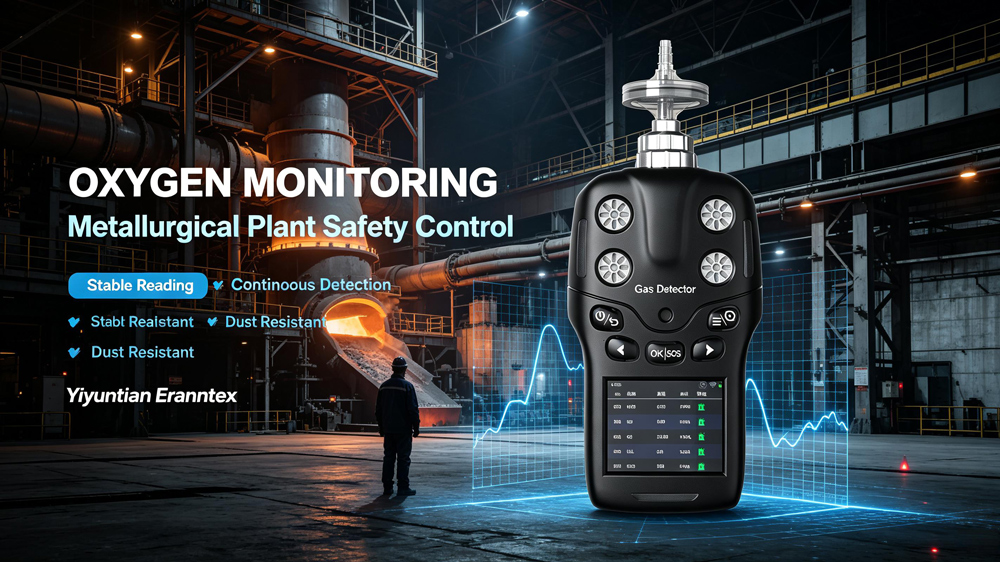
In high-temperature smelting industries, such as steelworks and non-ferrous metal smelters, operating environments feature elevated temperatures. Heat degrades the performance of electronic components, softens and deforms plastic casings, and may even render detectors inoperable. Moreover, high temperatures accelerate the volatilisation and degradation of internal chemical compounds within sensors, shortening their service life.
The Importance of Regular Calibration and Maintenance
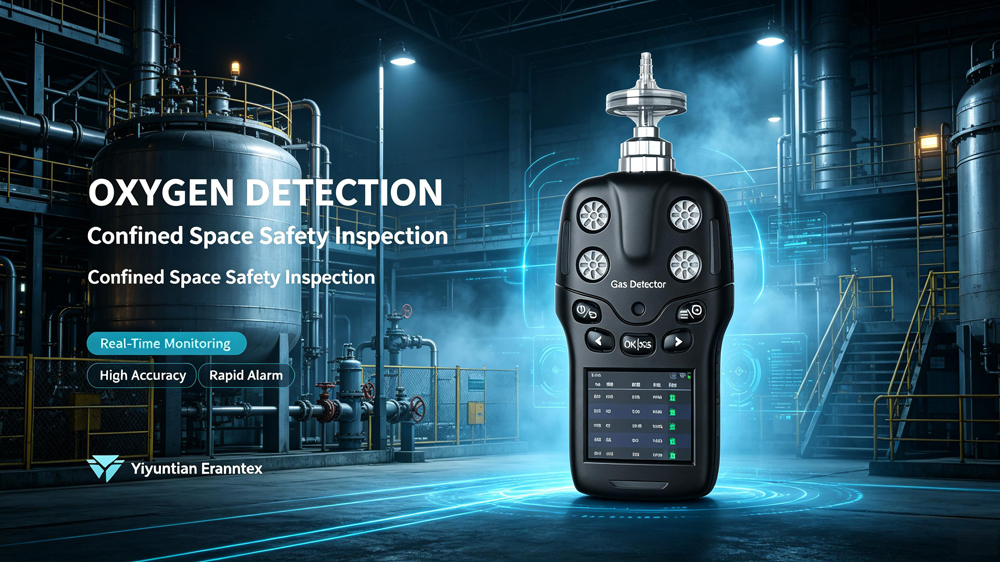
Even if a carbon dioxide detector has not reached its strict ‘expiry’ date, regular calibration and maintenance remain essential. In industrial production, accurate CO₂ concentration detection is paramount. Should the detector's readings deviate, personnel may misjudge environmental conditions, potentially triggering safety incidents. For instance, during confined space operations, if elevated CO₂ levels go undetected, workers could suffer asphyxiation due to oxygen deprivation.
Regular calibration adjusts the detector's parameters to restore accurate measurement capability. Generally, industrial CO₂ detectors should be calibrated every six months to one year, with the specific interval adjusted according to usage environment and frequency. Calibration must be performed by professional metrology institutions or the equipment manufacturer to ensure accuracy and reliability.
Routine maintenance is equally vital. Regularly clean the detector's casing and sensor surface to prevent dust and grime accumulation; check battery levels and replace batteries promptly to ensure normal operation; inspect connection cables for looseness or damage, repairing or replacing them immediately if issues arise.
While carbon dioxide detectors do not have a strict ‘expiry date’ in the traditional sense, their performance gradually deteriorates due to hardware ageing, environmental influences, and lack of regular calibration and maintenance. To ensure accurate and reliable operation, safeguarding industrial production safety and stability, it is advisable to calibrate and maintain the detector regularly according to its manual and operating environment. Replace the detector promptly when significant performance degradation is observed. This approach enables carbon dioxide detectors to continue fulfilling their vital role in industrial settings, providing essential protection for manufacturing processes.
Related information
-
How to Calibrate a Portable four-in-one Gas Detectors?
Portable four-in-one gas detectors are core protective equipment in the industrial safety field. However, sensors can experience z...
2026-09-18 -
What are the application scenarios for portable four-in-one gas detectors?
Portable four-in-one gas detectors typically monitor oxygen (O₂), flammable gas (LEL), carbon monoxide (CO), and hydrogen sulfide...
2026-09-16 -
Portable four-in-one Gas Detectors User Manual
The portable four-in-one gas detectors is a core piece of personal protective equipment (PPE) for ensuring the safety of personnel...
2026-09-14 -

Calibration Specifications for Ammonia gas Detectors
Calibration of ammonia gas detectors is a core step in ensuring their measurement accuracy and alarm reliability. However, ammonia...
2026-09-11 -
What is the appropriate installation height for an ammonia gas detectors?
Ammonia (NH₃) has a relative density of only 0.59, much lighter than air. This means that in the event of a leak, the gas will qu...
2026-09-09
 info@eranntexgas.com sale1@eranntexgas.com


 15914124845