
What is the normal oxygen concentration for an oxygen detectors?
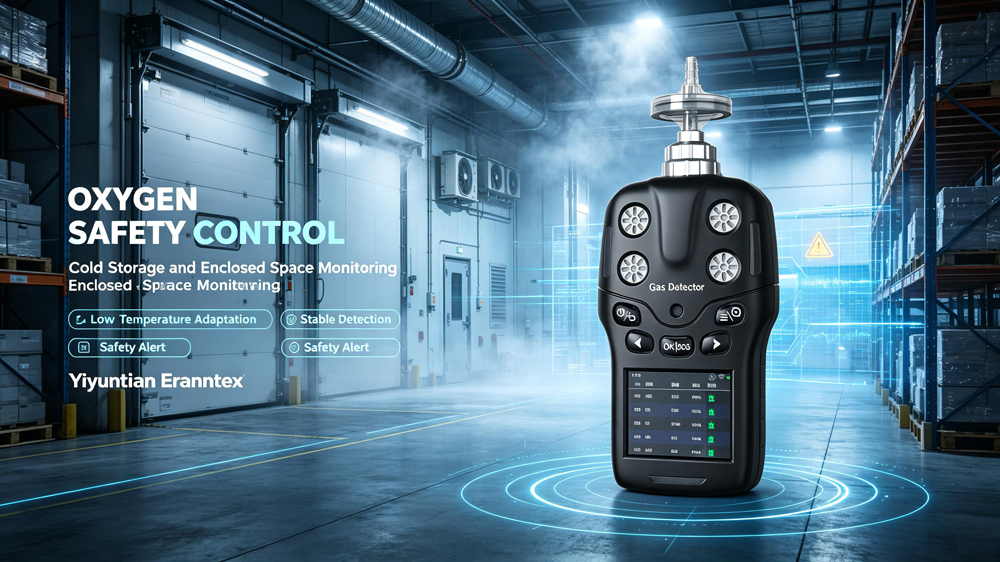
Publication Date:2026/01/12Oxygen (O₂) is a vital gas for sustaining human life and most combustion processes. However, both excessively high and low oxygen concentrations in an environment pose serious safety risks—hypoxia can cause dizziness, unconsciousness, or even suffocation, while oxygen-enriched atmospheres significantly increase the likelihood of fire or explosion. Therefore, using oxygen detectors to monitor oxygen levels in real-time has become standard practice in industrial safety, confined space entry, healthcare, and environmental monitoring. Below, Yiyuntian Eranntex will clearly explain the range of “normal oxygen concentration” and how to correctly interpret and utilize oxygen detection data in different scenarios.
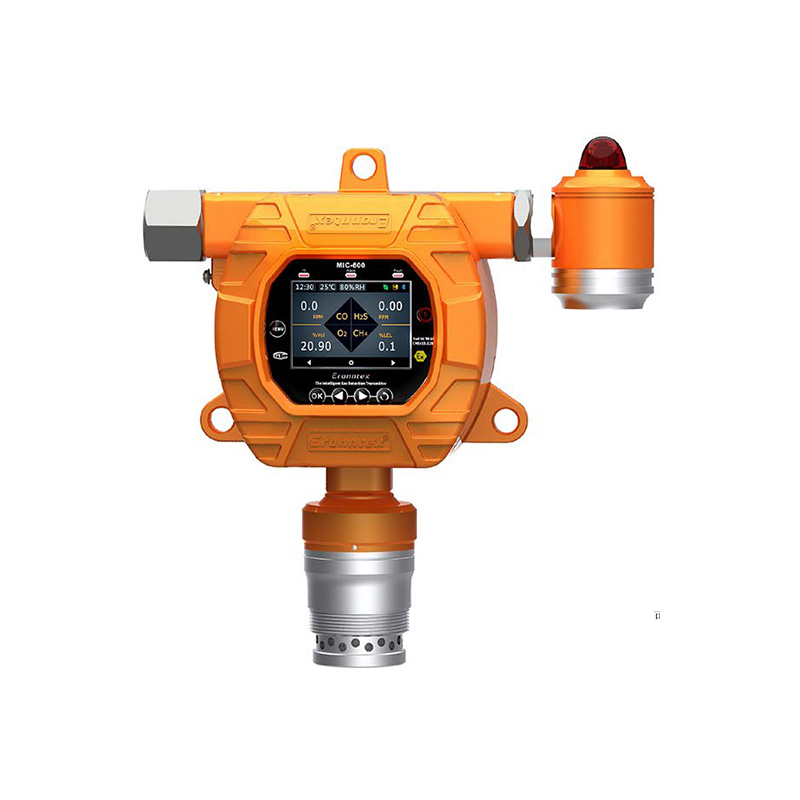
I. “Normal” Oxygen Concentration in the Atmosphere
At sea level, standard atmospheric pressure (101.3 kPa), and ambient temperature, the volume fraction of oxygen in Earth's atmosphere is approximately 20.9%. This serves as the globally accepted reference benchmark and forms the calibration basis for most oxygen detectors. In everyday outdoor environments or well-ventilated indoor spaces, oxygen concentration typically stabilizes between 20.8% and 21.0%, falling within a completely safe range.
It is important to note that oxygen concentration decreases slightly with increasing altitude (due to reduced total atmospheric pressure), but the percentage remains largely constant. For example, at 3,000 meters above sea level, although the partial pressure of oxygen decreases, its volume percentage remains close to 20.9%. Therefore, oxygen detectors display volume percentage (% vol) rather than absolute pressure, making them suitable for comparisons across different altitudes.
II. Oxygen Concentration Limits for Safe Operations
In occupational health and safety, international standards establish clear safety thresholds for workplace oxygen levels:
OSHA (Occupational Safety and Health Administration) stipulates:
- Oxygen concentrations below 19.5% are defined as “oxygen-deficient atmospheres,” prohibiting unprotected entry. Concentrations above 23.5% are classified as “oxygen-enriched atmospheres,” posing fire hazards.
EU Directive 89/686/EEC and industrial safety regulations in most countries adopt similar standards: 19.5%–23.5% constitutes the acceptable safe operating range.
This implies that even if oxygen levels appear “close to 21%,” concentrations below 19.5% may pose risks to personnel—particularly in confined spaces (e.g., storage tanks, sewers, ship compartments). Inert gas leaks (e.g., nitrogen, argon) can readily create localized oxygen deficiency, causing victims to lose consciousness rapidly without warning.
III. Key Considerations Across Different Application Scenarios
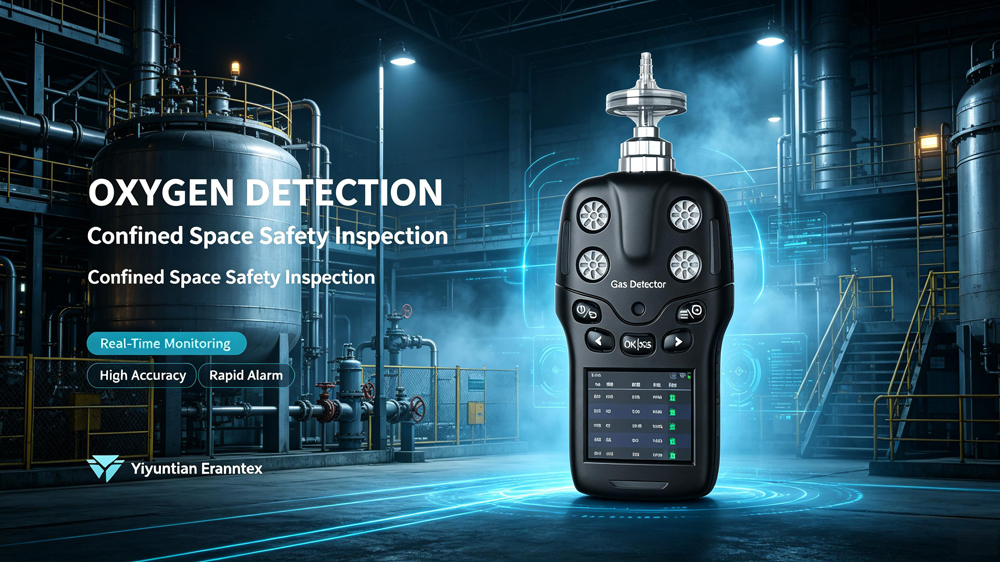
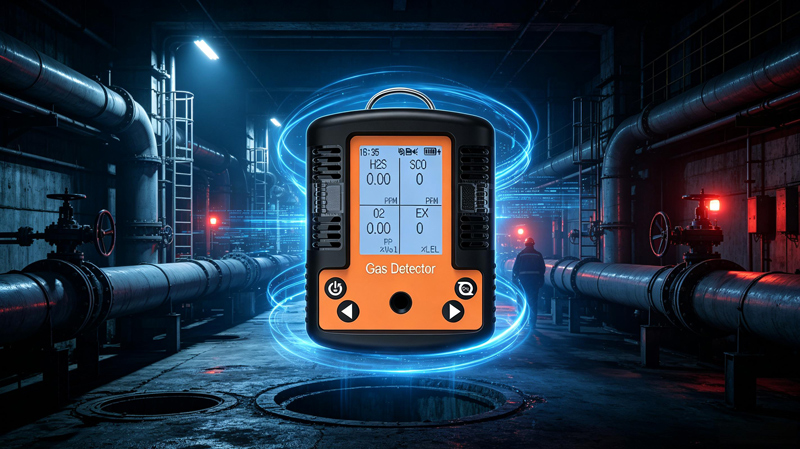
Industrial and Confined Space Operations: Pre-entry testing must be conducted using certified portable multi-gas detectors (typically monitoring O₂, LEL, H₂S, CO). If O₂ < 19.5%, forced ventilation or use of self-contained breathing apparatus (SCBA) is mandatory.
Medical Settings: During oxygen therapy or anesthesia, patients may inhale gas mixtures with oxygen concentrations as high as 30%–100%. However, this constitutes controlled medical procedures unrelated to environmental safety. Patient rooms and general areas should maintain levels close to 20.9%.
Laboratories and Cleanrooms: Certain processes (e.g., semiconductor manufacturing) use high-purity nitrogen purging, which can cause localized O₂ concentration drops. Fixed oxygen monitoring and alarm systems must be installed.
Residential or Consumer Use: Routine oxygen monitoring is unnecessary in typical homes unless using large oxygen generators or in extremely confined spaces (e.g., permanently sealed basements).
IV. Recommendations for Proper Oxygen Detectors Use
To ensure reliable readings, follow these best practices:
Regular Calibration: Perform zero/span verification with fresh air (confirming O₂ ≈ 20.9%) at least every 1–3 months; some instruments support “automatic baseline calibration.”
Avoid Sensor Poisoning: Electrochemical oxygen sensors are susceptible to silicone vapors, acidic gases, or high-concentration solvents. Keep away from contamination sources.
Note Response Time: Most O₂ sensors have a T90 response time of 15–30 seconds. Wait for readings to stabilize before entering hazardous areas.
Understand units: % vol (volume percentage) is the sole unit for safety assessments. Never confuse it with ppm or mg/m³.
For users, “normal oxygen concentration” is not a vague concept but a numerically defined range with clear scientific and regulatory basis: 20.9% represents standard atmospheric levels, while 19.5%–23.5% constitutes the safe working boundary. Proper use of oxygen detectors and understanding their readings can effectively prevent major accidents such as asphyxiation and fires. Whether you work in manufacturing, energy, construction, or emergency response, mastering this fundamental knowledge is the first line of defense in safeguarding lives.
Related information
-
How to Calibrate a Portable four-in-one Gas Detectors?
Portable four-in-one gas detectors are core protective equipment in the industrial safety field. However, sensors can experience z...
2026-09-18 -
What are the application scenarios for portable four-in-one gas detectors?
Portable four-in-one gas detectors typically monitor oxygen (O₂), flammable gas (LEL), carbon monoxide (CO), and hydrogen sulfide...
2026-09-16 -
Portable four-in-one Gas Detectors User Manual
The portable four-in-one gas detectors is a core piece of personal protective equipment (PPE) for ensuring the safety of personnel...
2026-09-14 -

Calibration Specifications for Ammonia gas Detectors
Calibration of ammonia gas detectors is a core step in ensuring their measurement accuracy and alarm reliability. However, ammonia...
2026-09-11 -
What is the appropriate installation height for an ammonia gas detectors?
Ammonia (NH₃) has a relative density of only 0.59, much lighter than air. This means that in the event of a leak, the gas will qu...
2026-09-09
 info@eranntexgas.com sale1@eranntexgas.com


 15914124845