
How to Calibrate an Oxygen Detectors to Ensure Accuracy?
Publication Date:2026/01/14 In fields such as industrial safety, confined space operations,
environmental monitoring, and even medical support, the measurement accuracy of
oxygen detectors directly impacts personnel safety and compliance. Even the most
advanced sensors can drift over time due to environmental exposure or
cross-interference. Therefore, regular, standardized calibration is a critical
step to ensure oxygen detectors consistently provide reliable data. Below,
Yiyuntian Eranntex clearly outlines calibration methods, best practices, and
common misconceptions for oxygen detectors, helping you establish quality
control processes compliant with global standards.
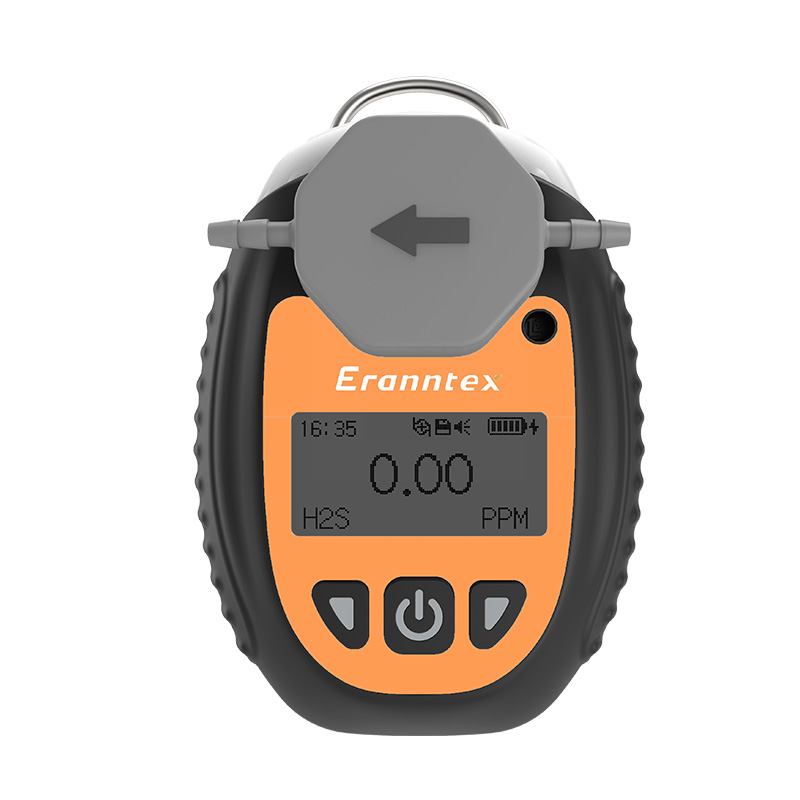
I. Fundamental Calibration Types: Zero Calibration vs. Span Calibration
Oxygen detectors calibration typically involves two core steps:
Zero Calibration:
Theoretically, “zero gas” does not exist for oxygen (as atmospheric air always contains approximately 20.9% O₂). However, in practical operations, “zero calibration” typically refers to establishing a baseline in a standard environment with a known, stable oxygen concentration. For the vast majority of safety-rated oxygen detectors, fresh, clean outdoor air (O₂ ≈ 20.9% vol) serves as the “calibration gas.” The instrument performs a “fresh air calibration” in this environment, setting the current reading as the reference baseline (i.e., 20.9%). This is essentially a “single-point span calibration” rather than a traditional zero adjustment.
Span Calibration:
In high-precision or regulatory-mandated scenarios (e.g., CEMS, medical devices, or certified laboratories), certified standard gases (such as nitrogen-balanced gas containing 20.9% O₂) must be used for verification or adjustment. If the instrument reading deviates from the standard value beyond the permissible error (typically ±0.5% vol), span correction must be performed via the menu to match the output to the standard value.
Important note: Ordinary electrochemical oxygen sensors cannot and should not be “zero calibrated” with pure nitrogen (0% O₂), as this causes abnormal sensor polarization and may lead to sensor damage.
II. Calibration Frequency: When is Calibration Required?
Calibration frequency depends on usage intensity, environmental conditions, and regulatory requirements:
Daily bump test: OSHA and HSE strongly recommend performing a quick verification using a known-concentration gas (typically fresh air) before each entry into confined spaces or high-risk areas to ensure the instrument responds correctly and triggers alarms.
Comprehensive Calibration: Typically performed every 1–6 months, depending on manufacturer recommendations and usage environment. For instance, in high-humidity, high-pollution, or frequent exposure to extreme gases, this should be shortened to monthly.
Event-Triggered Calibration: Must be performed immediately after any of the following:
Sensor replacement;
Physical impact or water immersion of the instrument;
Significantly abnormal readings or alarm failure;
Reactivation after prolonged storage.
III. Calibration Procedure (Using a Generic Portable Detector as Example)
Prepare Environment: Operate outdoors in a well-ventilated area free of local contamination or in known clean air. Avoid calibration near air conditioning vents, vehicle exhaust, or uncorrected high-altitude areas.
Power-on Warm-up: Turn on the instrument and wait for sensor stabilization (typically 30 seconds to 2 minutes).
Perform Calibration: Enter the menu and select “Calibrate O₂” or “Fresh Air Cal.” Confirm the current environment is air, then follow prompts to complete the operation. The instrument will automatically lock the current reading at 20.9%.
Verification (Optional but Recommended): If standard gas is available, introduce 20.9% O₂ gas and confirm the reading error is within ±0.3%.
Record: Save the calibration time, operator, environmental conditions, and results for audit and traceability purposes.
IV. Critical Considerations for Ensuring Calibration Validity
Never calibrate in unknown or contaminated air: Performing “fresh air calibration” in oxygen-deficient or oxygen-enriched environments causes systematic bias, rendering all subsequent readings inaccurate.
Use qualified standard gases: For span calibration, standard gases must originate from certified suppliers, accompanied by certificates traceable to national metrology institutes like NIST or PTB, and remain within their validity period.
Avoid “false calibration”: Some users mistakenly believe calibration is unnecessary if the instrument displays 20.9%, but sensors may have drifted, with automatic compensation merely masking the issue. Regular verification using standard gases is essential.
Consider temperature and pressure effects: While modern instruments often feature temperature compensation, extreme conditions (e.g., -20°C or high altitudes) may still impact accuracy. Calibrate under conditions approximating actual operating environments.
For users, oxygen detectors calibration is not optional—it is a core component of safety culture. By understanding calibration principles, following scientific procedures, and establishing documentation systems, you not only ensure equipment remains in optimal condition but also build a reliable lifeline for your team. Remember: An unverified reading is more dangerous than no reading at all. Investing in standardized calibration practices is investing in certainty for every safe operation.
Related information
-
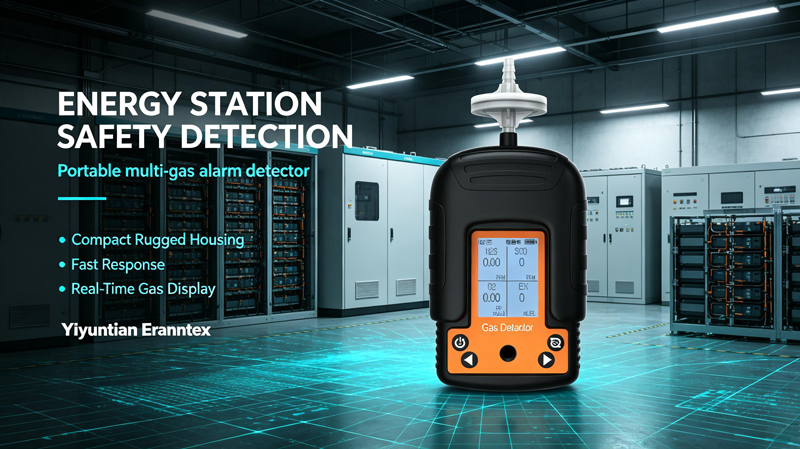
How to Calibrate a Portable four-in-one Gas Detectors?
Portable four-in-one gas detectors are core protective equipment in the industrial safety field. However, sensors can experience z...
2026-09-18 -
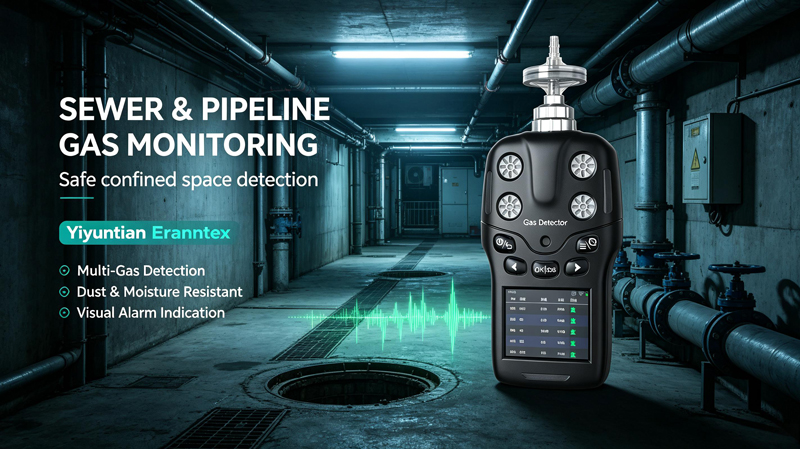
What are the application scenarios for portable four-in-one gas detectors?
Portable four-in-one gas detectors typically monitor oxygen (O₂), flammable gas (LEL), carbon monoxide (CO), and hydrogen sulfide...
2026-09-16 -
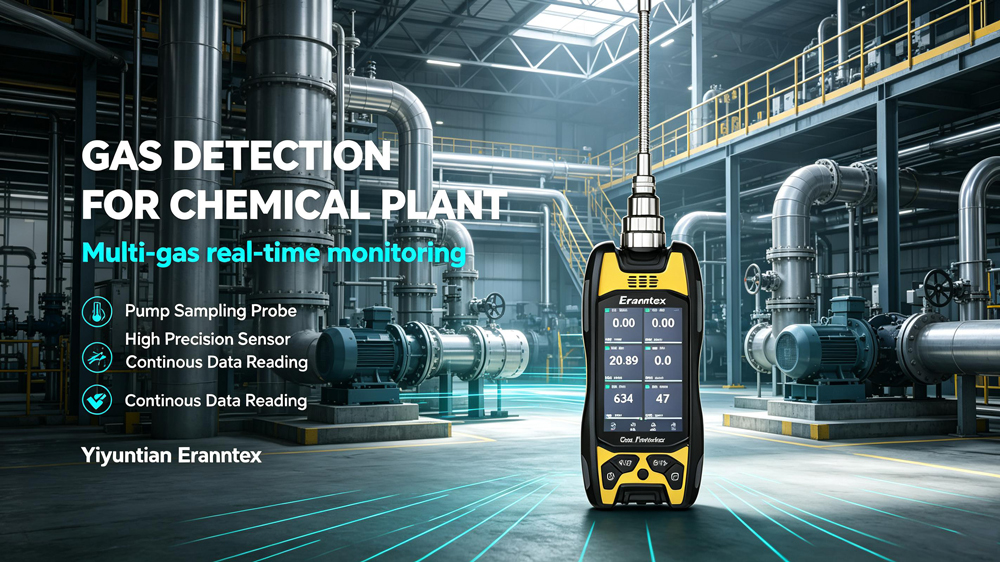
Portable four-in-one Gas Detectors User Manual
The portable four-in-one gas detectors is a core piece of personal protective equipment (PPE) for ensuring the safety of personnel...
2026-09-14 -

Calibration Specifications for Ammonia gas Detectors
Calibration of ammonia gas detectors is a core step in ensuring their measurement accuracy and alarm reliability. However, ammonia...
2026-09-11 -
What is the appropriate installation height for an ammonia gas detectors?
Ammonia (NH₃) has a relative density of only 0.59, much lighter than air. This means that in the event of a leak, the gas will qu...
2026-09-09
 info@eranntexgas.com sale1@eranntexgas.com


 15914124845