
How often should a four-in-one detectors be tested?
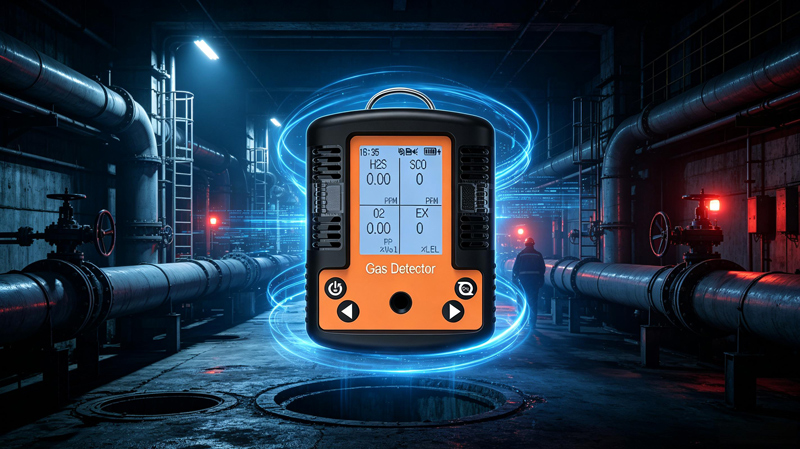
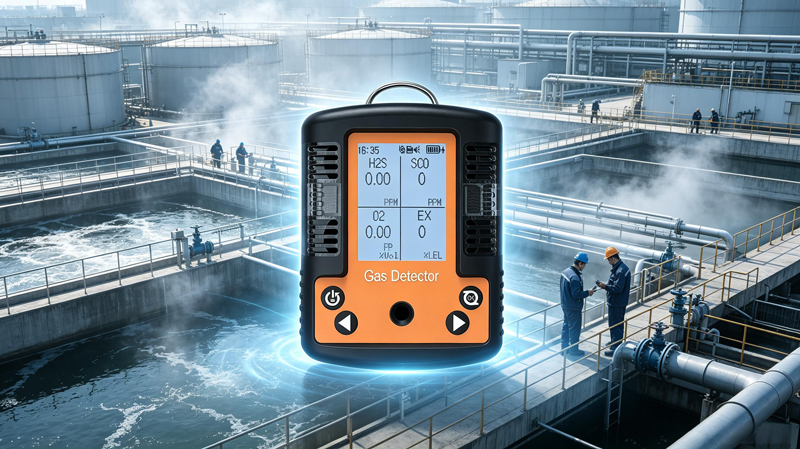
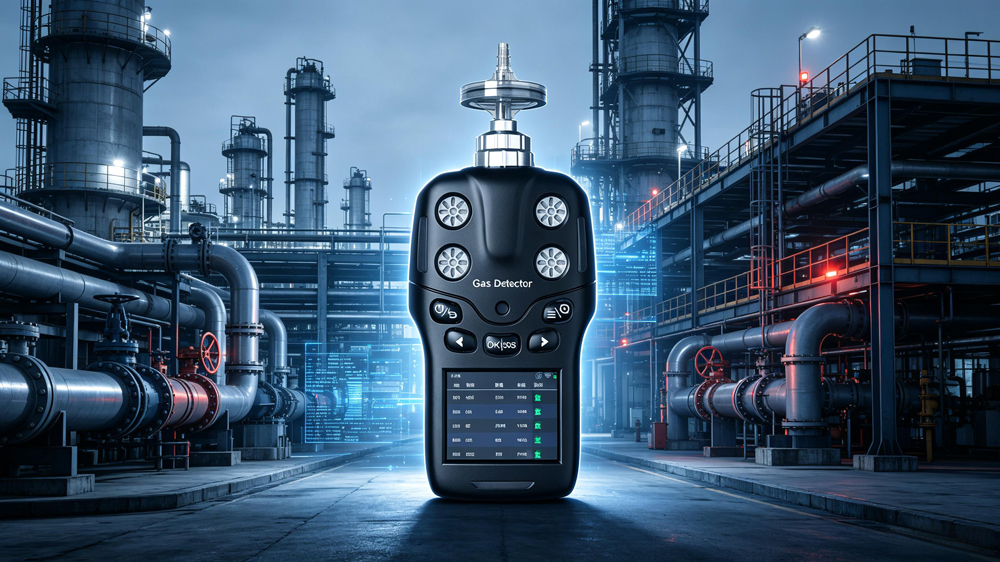
Publication Date:2026/02/03In industrial safety and environmental monitoring, the four-in-one detectors is a critical portable device widely used in high-risk scenarios such as petroleum, chemical, mining, firefighting, and confined space operations. It simultaneously monitors four key gases: combustible gases (LEL), oxygen (O₂), carbon monoxide (CO), and hydrogen sulfide (H₂S). For businesses or individuals using such equipment, a common yet critical question arises: “How often should a four-in-one detectors be tested?” The answer not only affects the device's reliability but directly impacts user safety. Below, Yiyuntian Eranntex provides a detailed explanation.
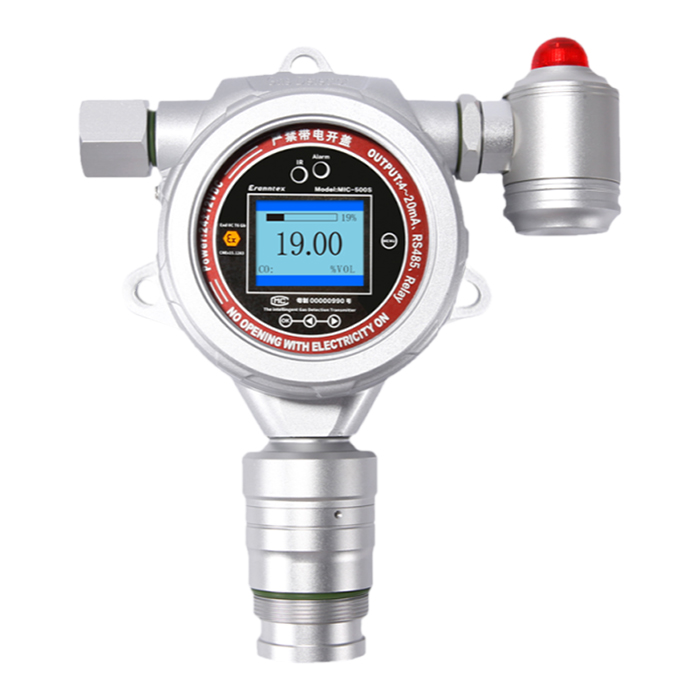
First, it's important to clarify that “testing” here encompasses two distinct levels: routine bump tests and periodic calibrations. A bump test is a quick verification to confirm that the sensors and alarm system are functioning properly. Calibration, on the other hand, involves precise adjustment of the instrument using standard gases to ensure accurate readings. According to internationally recognized safety standards (such as OSHA, NIOSH, and manufacturer recommendations), a bump test should be performed before each use. While this may seem cumbersome, it takes only a few seconds in practice and effectively prevents misjudgments caused by sensor failure or clogging. Numerous accident investigation reports indicate that failure to conduct routine testing is a primary cause of gas detection system malfunctions.
Regarding calibration frequency, this depends on the specific operating environment, device model, and manufacturer recommendations. Generally, comprehensive calibration is recommended every 30 days. However, the calibration interval should be shortened or performed immediately under the following circumstances: exposure to high concentrations of target gas, extreme temperature/humidity conditions, physical impact (e.g., drops), or failure of the functional test. Certain high-risk industries (such as offshore drilling platforms or underground mines) may even require weekly calibration. Additionally, some modern four-in-one detectors feature intelligent logging capabilities that automatically track usage duration, exposure history, and test results. This data assists companies in developing more scientifically sound maintenance schedules.
It is worth noting that regulatory standards for gas detection equipment vary slightly across different countries and regions, but the core principle remains consistent: prioritizing personnel safety as the primary objective. For instance, while the U.S. Occupational Safety and Health Administration (OSHA) does not mandate specific calibration intervals, it explicitly requires employers to ensure all safety equipment is “in good working order.” This means companies must demonstrate compliance with industry best practices for regular maintenance in the event of an accident. Therefore, establishing and rigorously enforcing testing and calibration protocols is not only a technical necessity but also a critical component of legal compliance.
Ultimately, users should always consult equipment manuals and develop customized maintenance plans tailored to their specific work environments. Many manufacturers (such as MSA, Honeywell, Industrial Scientific, etc.) provide detailed maintenance guidelines and even offer calibration service packages. Training employees in the proper use and maintenance of four-in-one detectors is equally critical—even the most advanced equipment cannot deliver adequate protection without standardized operation.
In summary, a four-in-one detectors is not a “buy-and-forget” tool but a safety partner requiring ongoing attention and maintenance. Adhering to the principle of “testing before every use and calibrating at least monthly,” while flexibly adjusting based on actual conditions, maximizes its early warning capabilities and truly safeguards lives. For users, understanding and implementing these maintenance practices represents a vital step toward professional, compliant, and efficient safety management.
Related information
-
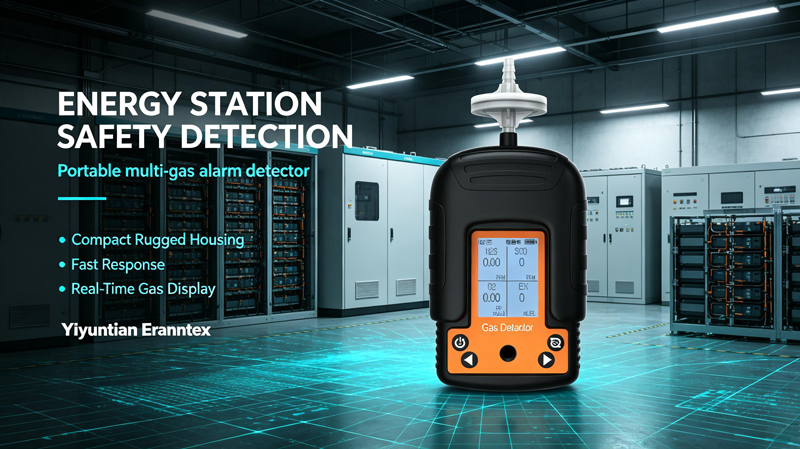
How to Calibrate a Portable four-in-one Gas Detectors?
Portable four-in-one gas detectors are core protective equipment in the industrial safety field. However, sensors can experience z...
2026-09-18 -
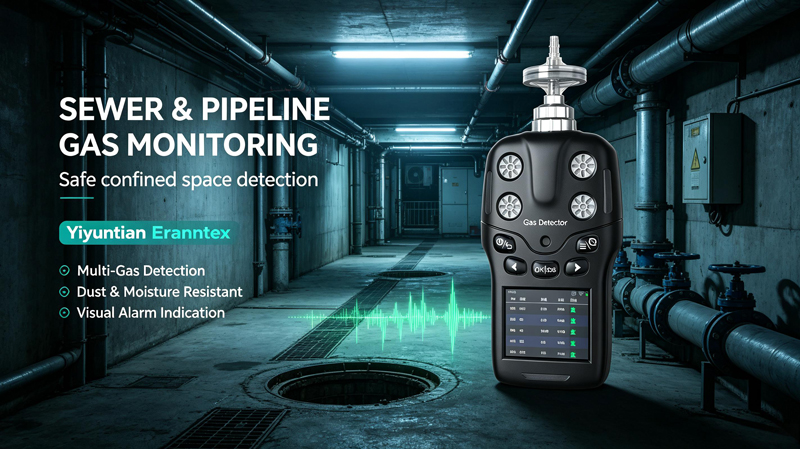
What are the application scenarios for portable four-in-one gas detectors?
Portable four-in-one gas detectors typically monitor oxygen (O₂), flammable gas (LEL), carbon monoxide (CO), and hydrogen sulfide...
2026-09-16 -
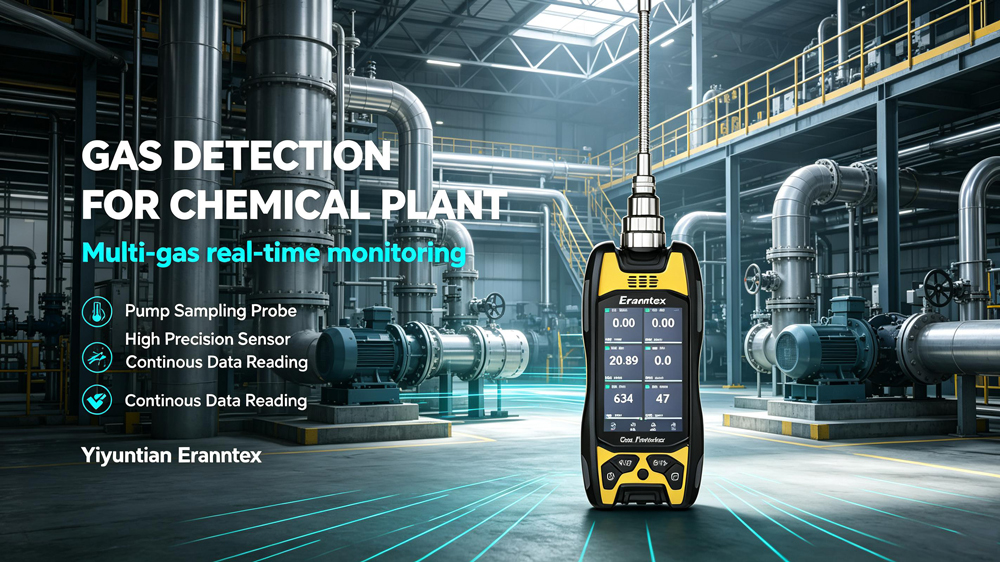
Portable four-in-one Gas Detectors User Manual
The portable four-in-one gas detectors is a core piece of personal protective equipment (PPE) for ensuring the safety of personnel...
2026-09-14 -

Calibration Specifications for Ammonia gas Detectors
Calibration of ammonia gas detectors is a core step in ensuring their measurement accuracy and alarm reliability. However, ammonia...
2026-09-11 -
What is the appropriate installation height for an ammonia gas detectors?
Ammonia (NH₃) has a relative density of only 0.59, much lighter than air. This means that in the event of a leak, the gas will qu...
2026-09-09
 info@eranntexgas.com sale1@eranntexgas.com


 15914124845