
How to Choose the Right Combustible Gas Detector
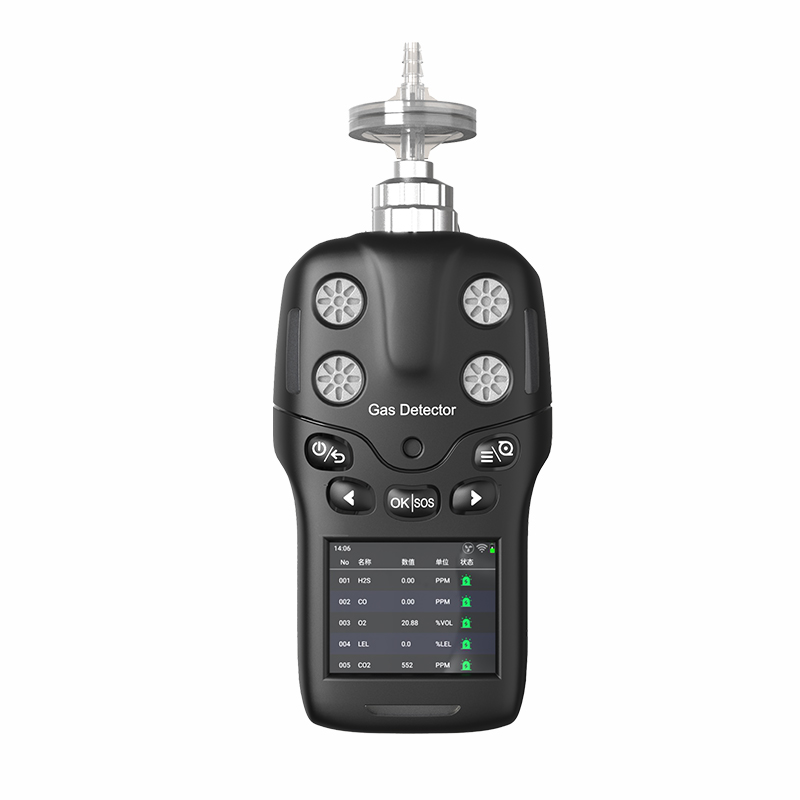
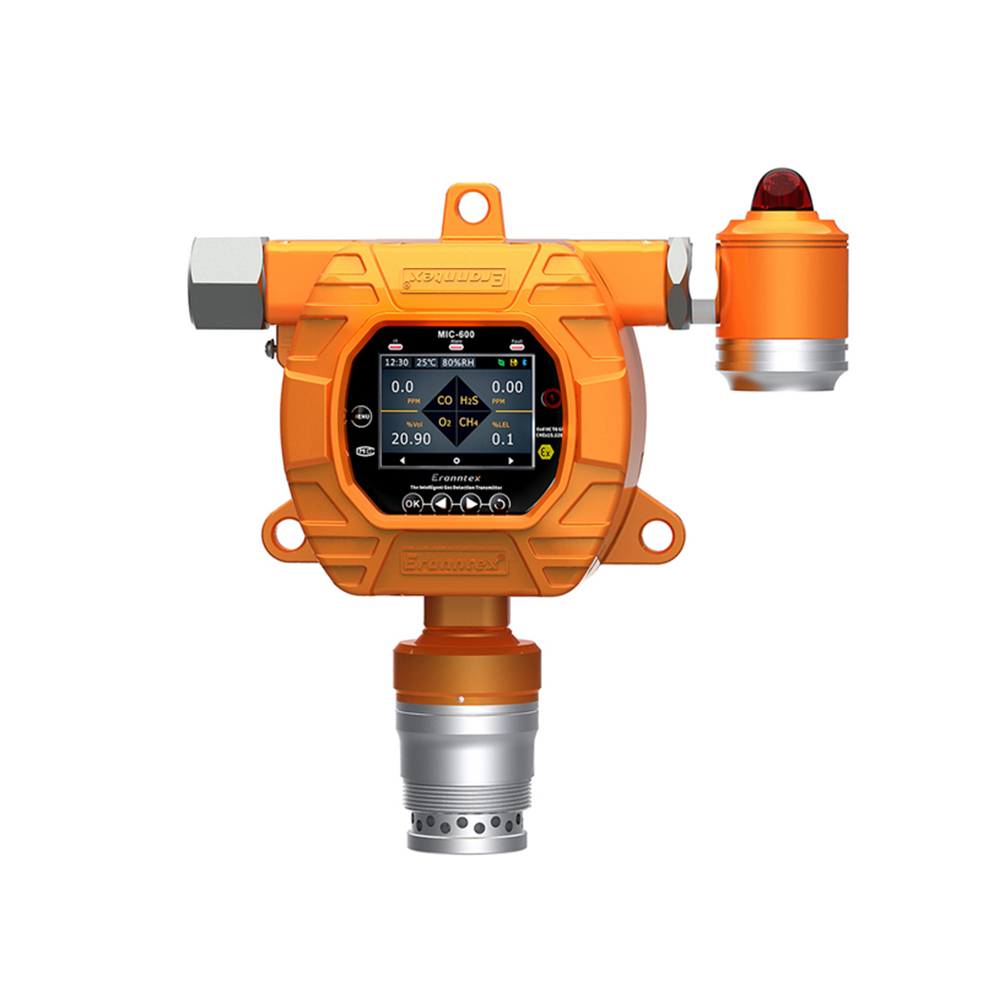
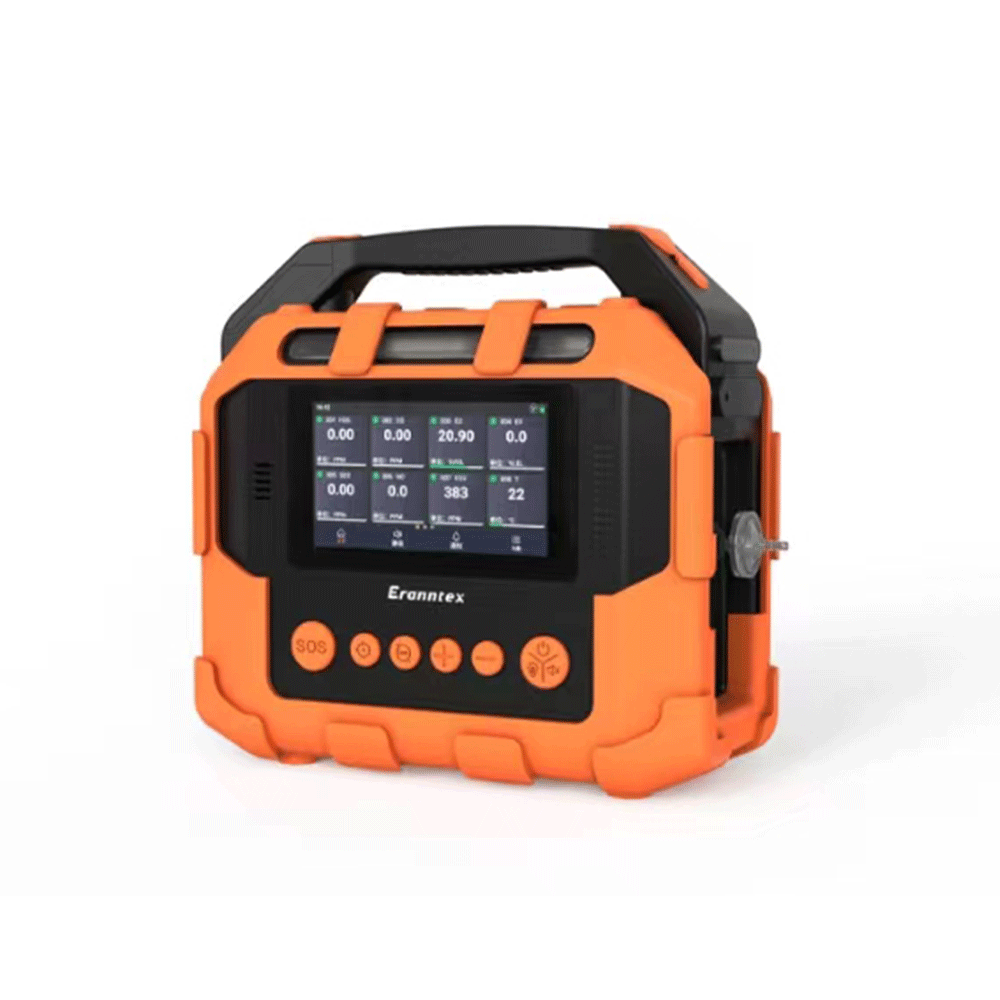
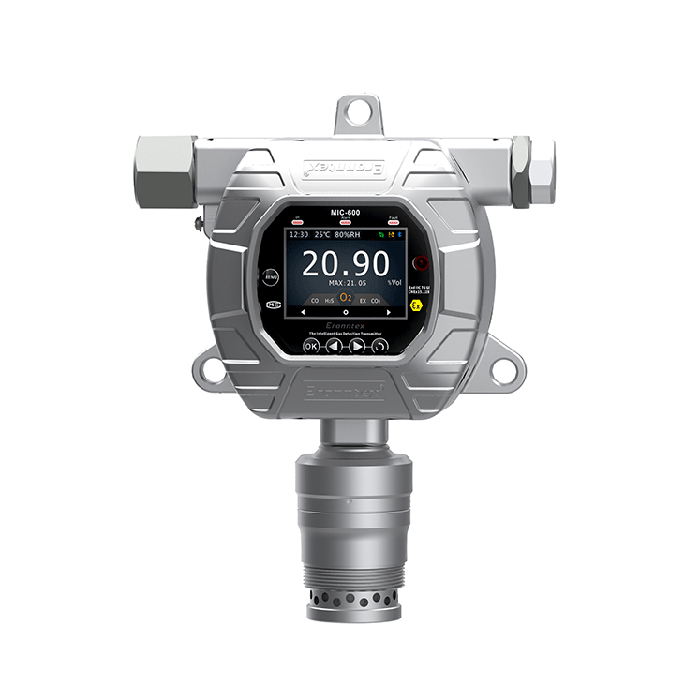
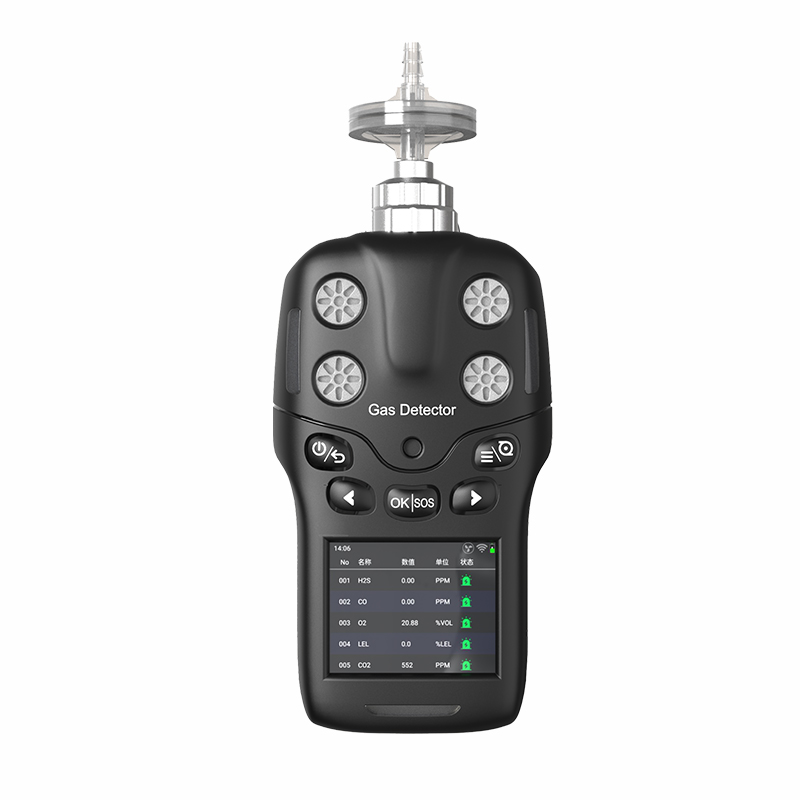
Publication Date:2020/04/14Combustible gas detector, four-in-one gas detector can be said to be an extension of the use of gas sensors. To compare the detector to a wagon, the gas sensor is the horse that pulls the wagon. The detector takes gas sensor as the core, and expands a variety of gas detectors according to the principle of gas sensor. This kind of combustible gas detector is often used in petroleum, chemical, steelmaking, electric power, environmental protection and other industries to ensure people's life and health.
Combustible gas detectors can be divided into the following 5 categories according to the principle of gas sensors:
1) Semiconductor principle: Using the gas adsorption of metal oxide semiconductor materials, it is manufactured on the principle that the conductivity changes at a specific temperature.
Advantages: It can meet the needs of high-quality industrial inspection.
Defects: greater environmental impact and lower stability.Detectable: methane, ethane, propane, butane, alcohol, formaldehyde, carbon monoxide, carbon dioxide, ethylene, acetylene, vinyl chloride, styrene, acrylic acid and other gases.
2) Catalytic combustion principle: Using the principle of combustible gas burning to generate heat, the temperature of the platinum wire coil increases and the resistance changes. According to the value of the resistance change, the concentration value of the combustible gas is obtained.
Advantages: fast response, good linearity, low cost, long life, up to 3-5 years.
Defects: Due to the principle of self-catalytic combustion, it is not used in explosive places, otherwise it will have serious consequences. Measureable: Low concentrations of combustible gases.
3) infrared principle: according to the degree of infrared absorption, the composition characteristics of the subject and the amount of current passing through the infrared photosensitive device can be used to obtain the concentration of combustible gas.
almost everywhere, life is generally 3-5 years.
defects: high cost. Can be measured: flammable and explosive places of high concentration of combustible gas.
The electrochemical and PID photoionization principles of the four-in-one combustible gas detector are as follows.
(4) Electrochemical principle: Using the reductive and oxidative properties of the gas being tested, the electronic composition is released and absorbed during the chemical reaction. Many electrons constitute a current, and the reaction can be used to distinguish the gas composition and concentration.
Advantages: stable function and good numerical linearity.
Defects: short life and high maintenance cost. In general, the life of the gas sensor is about 1-2 years, and it may take about 3-6 months to replace it in harsh environments. Measureable: Most toxic and harmful gases.
(5)PID light ion principle: the measured gas is ionized by high-energy ultraviolet rays, a current is formed on the polar plate, and the gas concentration value is calculated by the value of the current.
Advantages: high sensitivity, accurate to ppb level.
Defect: relatively expensive sensor. Most of the measurable VOCs, I .e. volatile gases.
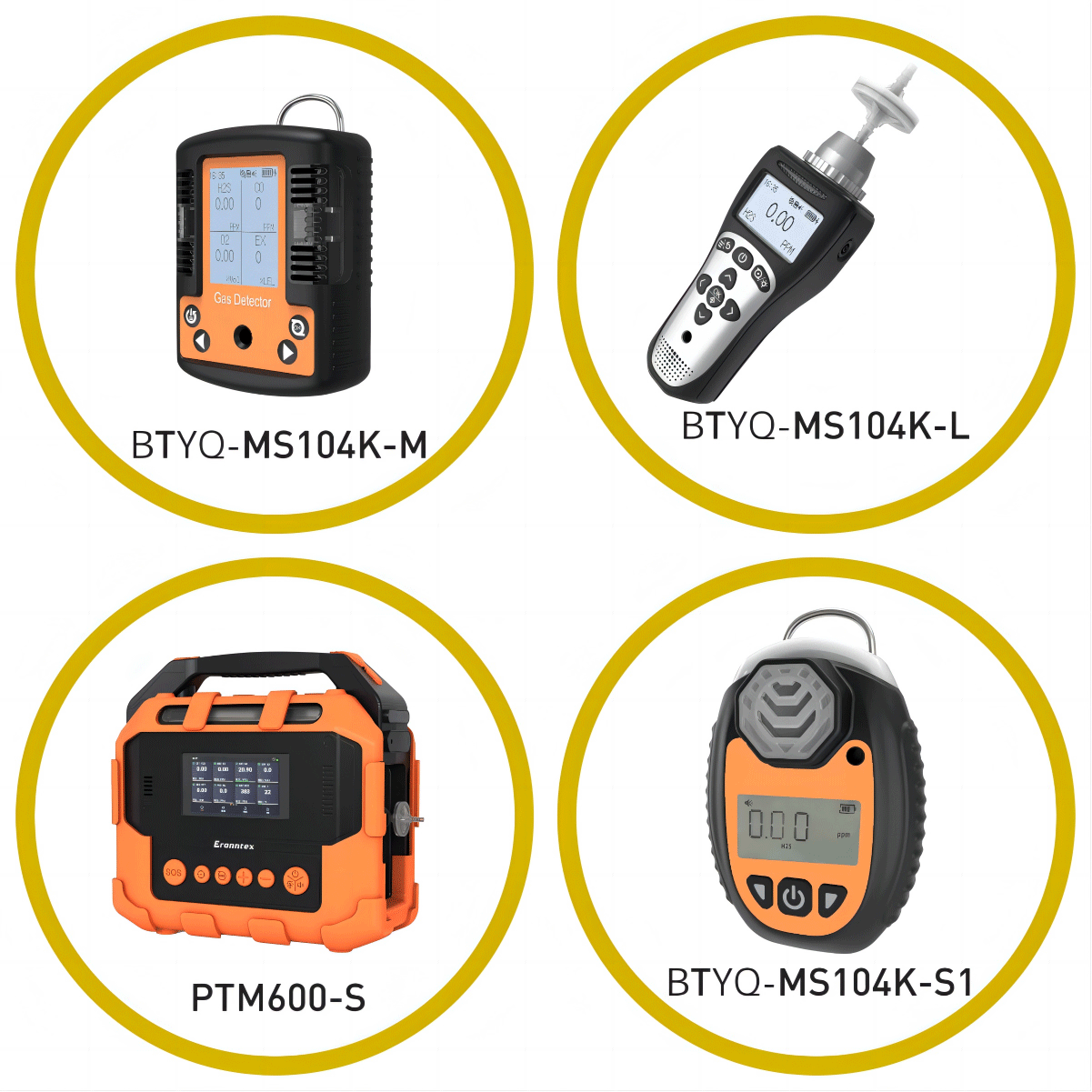
First of all, it is necessary to determine whether the gas component first found in the detected environment is flammable gas, toxic gas or other. Therefore, according to the needs, you can install a suitable combustible gas detector for the detected gas. Portability and complexity of gas detectors currently on the market. In other words, combustible gas detectors have mobility and multiple gas detection functions to meet the needs of combustible gas detectors for more complex detection environments
Related information
-
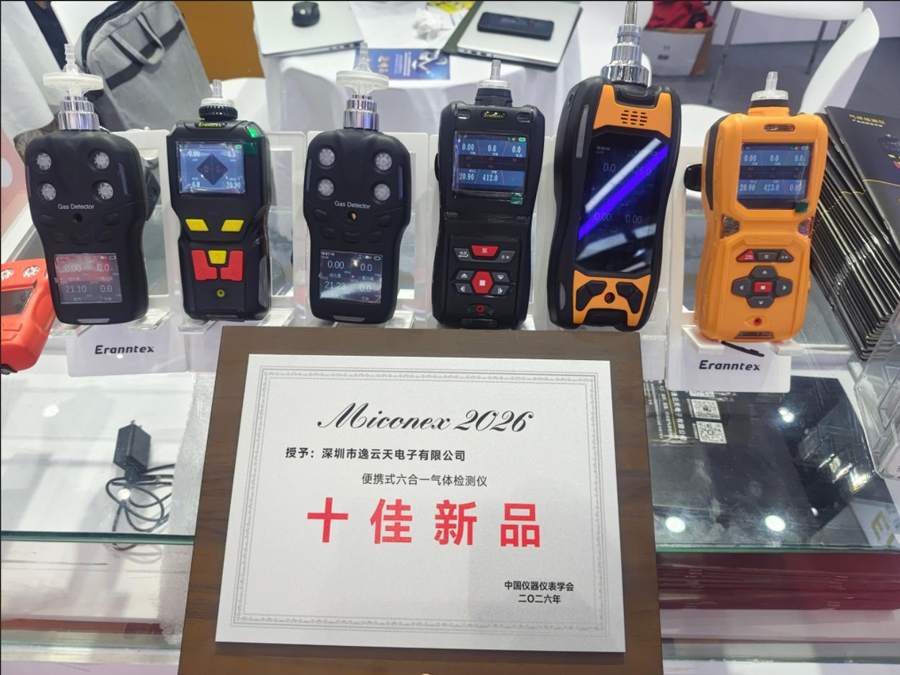
Outstanding Performance! Yiyuntian Eranntex 6-in-1 Gas Detector Wins MICONEX 2026 Top Ten New Products Award
From August 12th to 14th, 2026, the 34th China International Measurement Control and Instrumentation Exhibition (MICONEX 2026) was...
2026-08-24 -
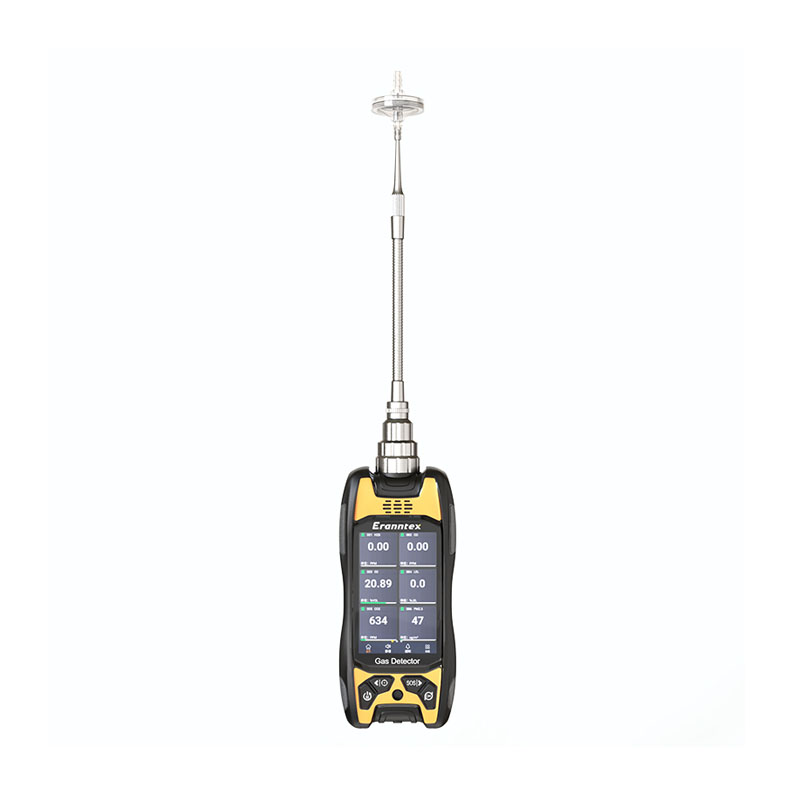
Yiyuntian Eranntex 5th Yangtze River Delta Emergency Expo Concludes Successfully
As late spring arrived in Shanghai, the grand event came to a close. From May 7 to 9, 2026, the 5th Yangtze River Delta Internatio...
2026-05-11 -
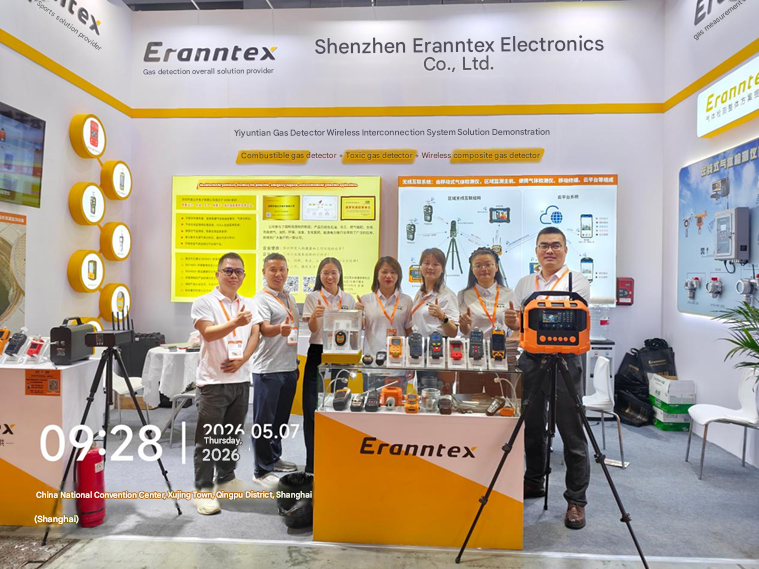
Yiyuntian Eranntex exhibits made their debut at the 2026 Shanghai Emergency Response and Disaster Reduction Expo, drawing massive crowds
On May 7, 2026, the 5th Yangtze River Delta International Emergency, Disaster Reduction, and Rescue Expo (EDRR) grandly opened at ...
2026-05-08 -
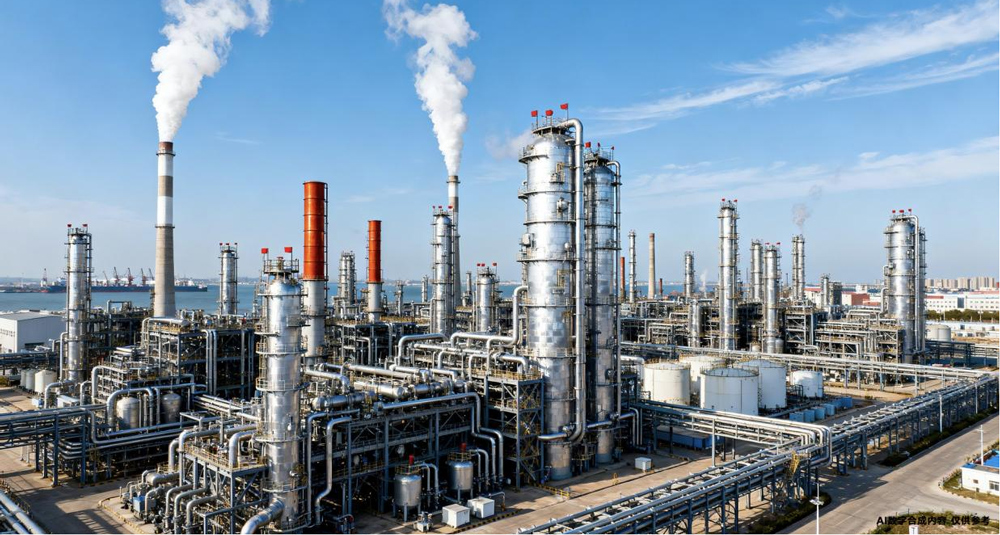
Yiyuntian Eranntex Portable 4-in-1 Gas Detectors: Enhancing On-Site Safety Management for Petrochemical Production Enterprises!
The petrochemical industry involves numerous production processes and complex operational scenarios. Areas such as plant facilitie...
2026-04-30 -

Yiyuntian Eranntex Invites You to the 2026 Shanghai Emergency Response and Disaster Reduction Expo
As spring draws to a close, Shanghai is set to host a major event. From May 7 to 9, 2026, the 5th Yangtze River Delta Internationa...
2026-04-29


 info@eranntexgas.com sale1@eranntexgas.com


 15914124845