
hydrogen alarm installed in what position is better?
Publication Date:2022/06/20The use and storage of hydrogen in industrial production require strict control. Improper operation may cause electric sparks and cause major safety hazards of hydrogen explosion. And hydrogen leaks are difficult to detect, but hydrogen can easily explode when it encounters a fire source. Therefore, in the presence of hydrogen environment, also need to configure hydrogen alarm, to detect the concentration of hydrogen. However, before using hydrogen alarm , it needs to be installed first, so where is the hydrogen alarm better installed? Next, Yiyun Tian Xiaobian will give you a detailed introduction.
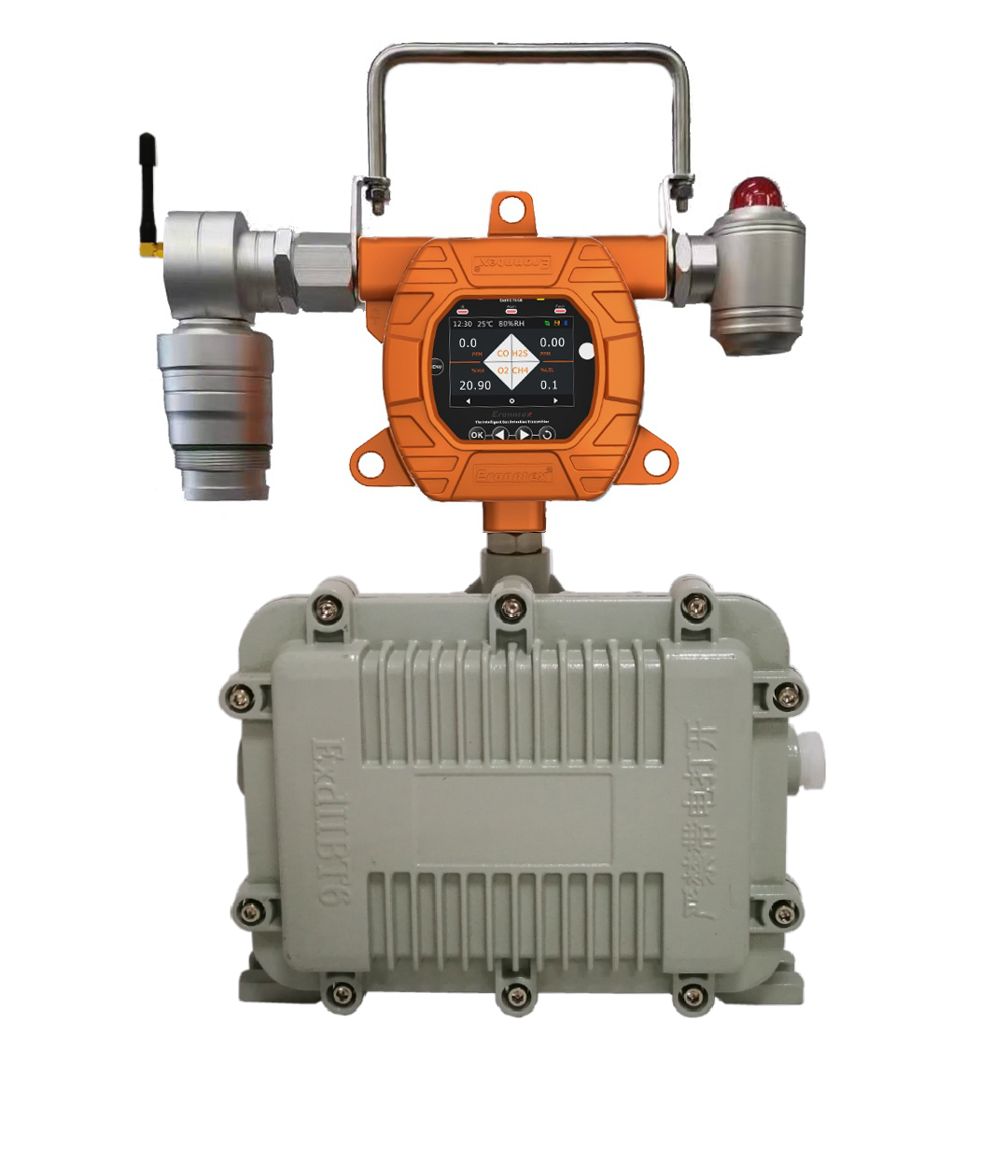
Installation location of hydrogen alarm:
The hydrogen concentration alarm controller should be placed in the duty room or lounge with personnel fact monitoring, and it can be about 160CM from the ground;
The installation position of the hydrogen concentration alarm detector shall be determined according to the specific gravity of the gas. The specific installation plan is as follows:
When the specific gravity of the detected gas is less than the specific gravity of the air, the gas detector should be installed at a distance of (30~60)cm from the ceiling, and the sensor position is downward.
When the specific gravity of the detected gas is greater than the specific gravity of the air, the gas detector should be installed at a distance of (30~60)cm from the ground, and the sensor position is downward.
In general, the area is suitable for indoor space. According to the protection radius, the uniform distribution point is that the detector is installed within 7.5m from the release source or within 15m from the horizontal distance between the two detectors; the indoor space of the area or stock ventilation part shall be arranged according to the outdoor situation. The detector shall be installed outdoors. The distance between the full frequency wind direction wind side and the release source shall be 15m; the distance between the full frequency wind direction wind side and the release source shall be 5m.The installation height of the detector for detecting heavier-than-air gas shall be 0.3~0.6m from the surface; the installation height of the detector for detecting lighter-than-air gas shall be 0.5~2m higher than that of the release source
instructions: A gas density of 0.97kg/m3 (standard state) is considered heavier than air. A gas density of 0.97kg/m3 (standard state) is considered lighter than air. Detect the gas density and wind direction to determine the installation position of the detector. Avoid the air flow when the detector is installed.
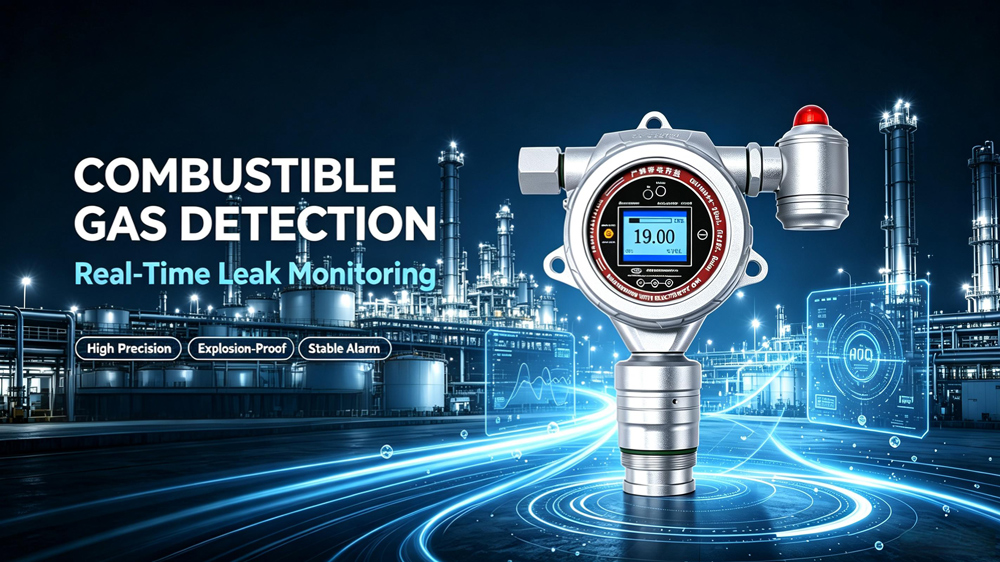
the above installation location of the hydrogen alarm is shared here. the hydrogen alarm can effectively detect the concentration of hydrogen and prevent the hydrogen concentration from exceeding the standard after hydrogen leakage. the hydrogen alarm is composed of a gas alarm controller and a hydrogen detector, the controller can be placed in the duty room to control each monitoring point. The hydrogen detector is installed at a position where the gas is easy to leak. The core component of the hydrogen detector is a built-in gas sensor, which senses the concentration of hydrogen in the air.
Related information
-
How to Calibrate a Portable four-in-one Gas Detectors?
Portable four-in-one gas detectors are core protective equipment in the industrial safety field. However, sensors can experience z...
2026-09-18 -
What are the application scenarios for portable four-in-one gas detectors?
Portable four-in-one gas detectors typically monitor oxygen (O₂), flammable gas (LEL), carbon monoxide (CO), and hydrogen sulfide...
2026-09-16 -
Portable four-in-one Gas Detectors User Manual
The portable four-in-one gas detectors is a core piece of personal protective equipment (PPE) for ensuring the safety of personnel...
2026-09-14 -

Calibration Specifications for Ammonia gas Detectors
Calibration of ammonia gas detectors is a core step in ensuring their measurement accuracy and alarm reliability. However, ammonia...
2026-09-11 -
What is the appropriate installation height for an ammonia gas detectors?
Ammonia (NH₃) has a relative density of only 0.59, much lighter than air. This means that in the event of a leak, the gas will qu...
2026-09-09
 info@eranntexgas.com sale1@eranntexgas.com


 15914124845