
What's wrong with the oxygen detector reading?
Publication Date:2023/02/06 Under normal conditions, after the oxygen detector is turned on, the display reading on the screen is generally around 20.9 VOL. Because the oxygen content in the atmosphere is basically within the normal range of 19.2% VOL-23%VOL. However, in the process of using, we sometimes find that the reading of the oxygen detector will be greater than 23% VOL or less than 19.2 VOL. When this phenomenon occurs, it often indicates that the oxygen detector is already in the condition of inaccurate reading. So do you know what happens when the oxygen detector does not read correctly? The following is an introduction by Yi Yuntian:

oxygen detector readings are inaccurate:
1. if the reading of oxygen measured by the oxygen detector is less than 19.2 VOL, it indicates that the instrument is floating under the instrument. the most likely cause of this phenomenon is that the sensitivity of the instrument is reduced or the filter screen of the sensor is blocked, causing the oxygen content sensed by the instrument to decrease.
2. the oxygen reading measured by the oxygen detector is greater than 23% VOL, indicating that the floating on the instrument is caused by long-term over-range detection.
If the oxygen detector has the above two phenomena, first do the zero operation, the operation steps are as follows:
1. This can only be done when the oxygen detector drifts in clean air without corresponding gas. The user only needs to hold the instrument to clean air and adjust the value to 20.9%VOL.
2. if reading drift still exists after mediation, please contact the professional and technical personnel of the manufacturer to guide the treatment in time so as to quickly detect the problem of the oxygen detector and "suit the remedy to the case" to solve the problem fundamentally.
To sum up, it is the treatment method for the inaccurate reading of the oxygen detector. When this happens, you must not operate it yourself to avoid damage to the oxygen detector.
Related information
-
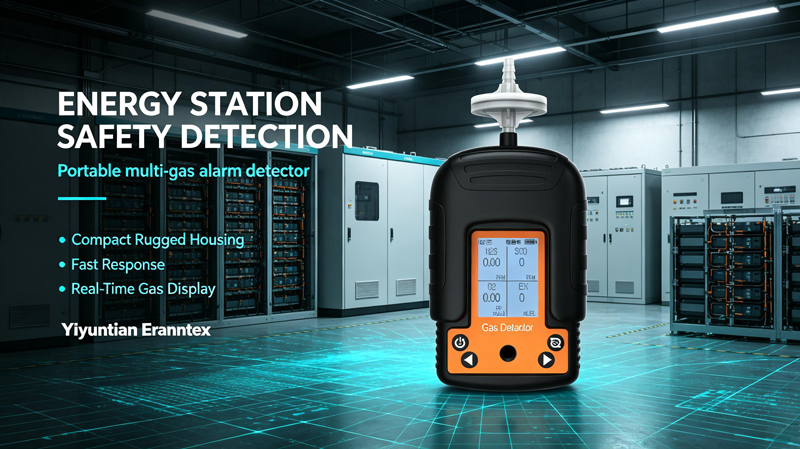
How to Calibrate a Portable four-in-one Gas Detectors?
Portable four-in-one gas detectors are core protective equipment in the industrial safety field. However, sensors can experience z...
2026-09-18 -
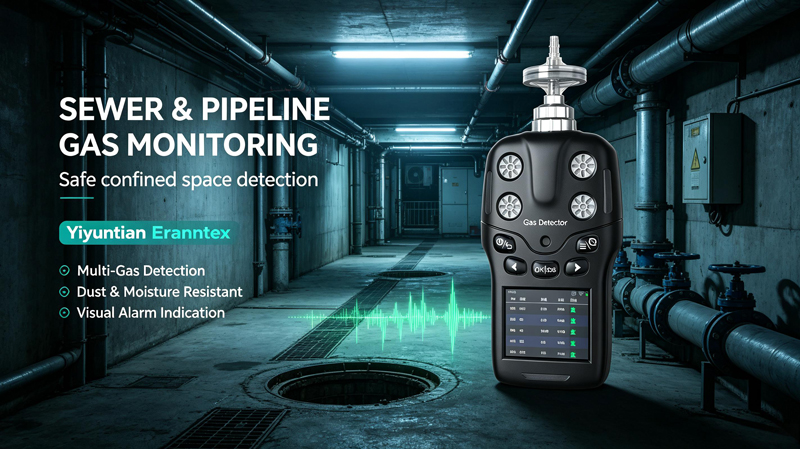
What are the application scenarios for portable four-in-one gas detectors?
Portable four-in-one gas detectors typically monitor oxygen (O₂), flammable gas (LEL), carbon monoxide (CO), and hydrogen sulfide...
2026-09-16 -
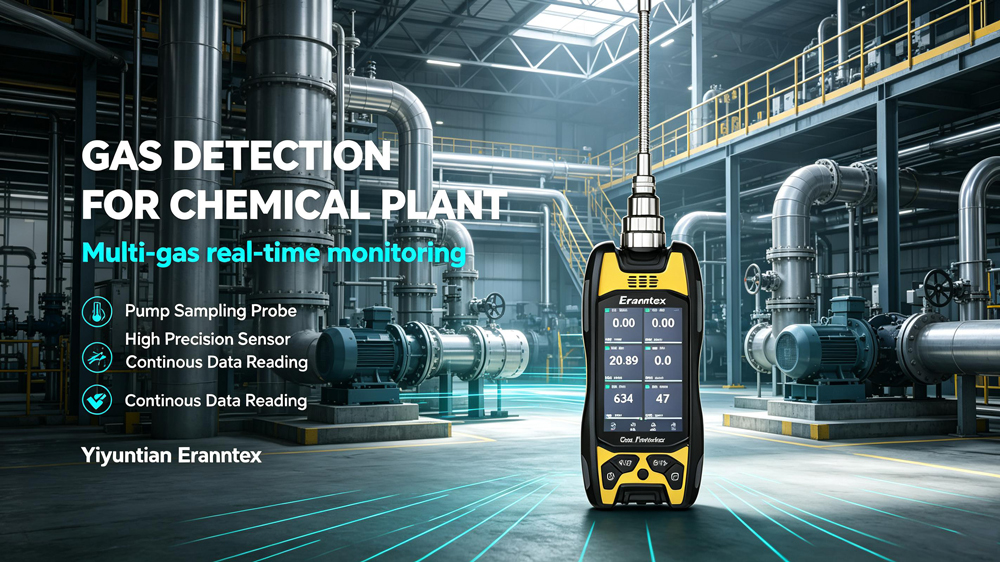
Portable four-in-one Gas Detectors User Manual
The portable four-in-one gas detectors is a core piece of personal protective equipment (PPE) for ensuring the safety of personnel...
2026-09-14 -

Calibration Specifications for Ammonia gas Detectors
Calibration of ammonia gas detectors is a core step in ensuring their measurement accuracy and alarm reliability. However, ammonia...
2026-09-11 -
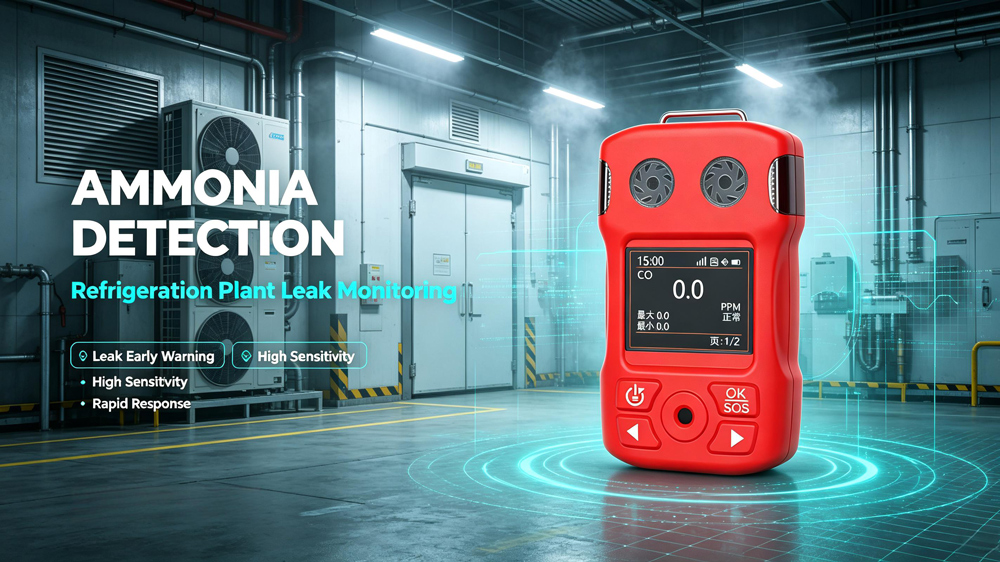
What is the appropriate installation height for an ammonia gas detectors?
Ammonia (NH₃) has a relative density of only 0.59, much lighter than air. This means that in the event of a leak, the gas will qu...
2026-09-09
 info@eranntexgas.com sale1@eranntexgas.com


 15914124845