
What is the standard for setting the alarm value of hydrogen alarm?
Publication Date:2023/10/25 I believe everyone knows that the hydrogen alarm is mainly used to monitor the concentration of hydrogen in the environment. When the concentration reaches a certain threshold, the alarm will sound an alarm. For hydrogen, a flammable and explosive gas, the setting of its alarm value requires special attention. If the alarm value is set too low, the accuracy of the detector itself may not be reached, and false alarms may occur. Do you know what is the standard for setting the alarm value of hydrogen alarm ? The following is an introduction by Yiyuntian Electronics:

hydrogen alarm setting standard:
the primary alarm value should be less than or equal to 25% LEL, I .e. 25% of the lower explosive limit (LEL) of hydrogen; The secondary alarm value should be less than or equal to 50% LEL, that is, 50% of the lower explosive limit (LEL) of hydrogen. These settings are based on the provisions of GBT 50493-2019 Petrochemical Combustible and Toxic Gas Detection and Alarm Design Standard (official version).
for detectors with hydrogen alarm measuring range between 3% LEL and 100 LEL, the upper range limit should be 100 LEL, and the lower limit alarm setting value Should be in the range of 5% LEL ~ 25% LEL, if there is a high limit alarm setting value, it should be 50% LEL. If the low limit alarm setting value is adjustable, it shall be adjustable within the range of 5% LEL ~ 25% LEL.
when the concentration of H2 combustible gas in the environment reaches or exceeds the prefabricated alarm, the controller immediately sends out an audible and visual alarm hydrogen alarm to prompt the timely adoption of safety measures and linkage of exhaust fans or other equipment to avoid blasting.
to sum up, we can see that the alarm value setting standard of hydrogen alarm generally defaults to 25% LEL and 50% LE when leaving the factory. The hydrogen alarm is related to the safety of the use of hydrogen. Where there is hydrogen, there may be hydrogen explosion accidents, no matter whether this possibility is big or not, but it is necessary for us to do a good job in safety prevention to avoid excessive hydrogen concentration in the working environment, reaching the lower limit of hydrogen explosion causing fire explosion accidents and even casualties.
Related information
-
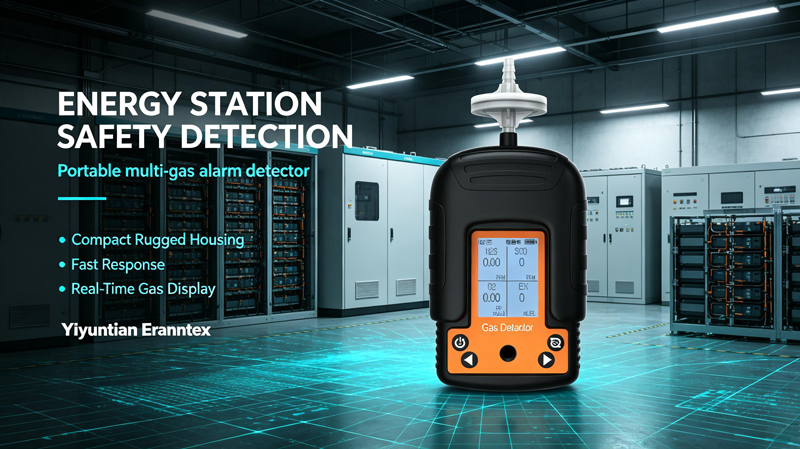
How to Calibrate a Portable four-in-one Gas Detectors?
Portable four-in-one gas detectors are core protective equipment in the industrial safety field. However, sensors can experience z...
2026-09-18 -
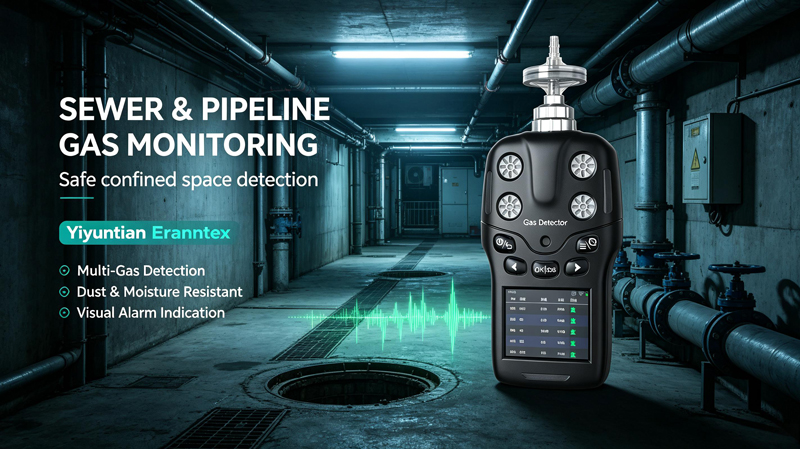
What are the application scenarios for portable four-in-one gas detectors?
Portable four-in-one gas detectors typically monitor oxygen (O₂), flammable gas (LEL), carbon monoxide (CO), and hydrogen sulfide...
2026-09-16 -
Portable four-in-one Gas Detectors User Manual
The portable four-in-one gas detectors is a core piece of personal protective equipment (PPE) for ensuring the safety of personnel...
2026-09-14 -

Calibration Specifications for Ammonia gas Detectors
Calibration of ammonia gas detectors is a core step in ensuring their measurement accuracy and alarm reliability. However, ammonia...
2026-09-11 -
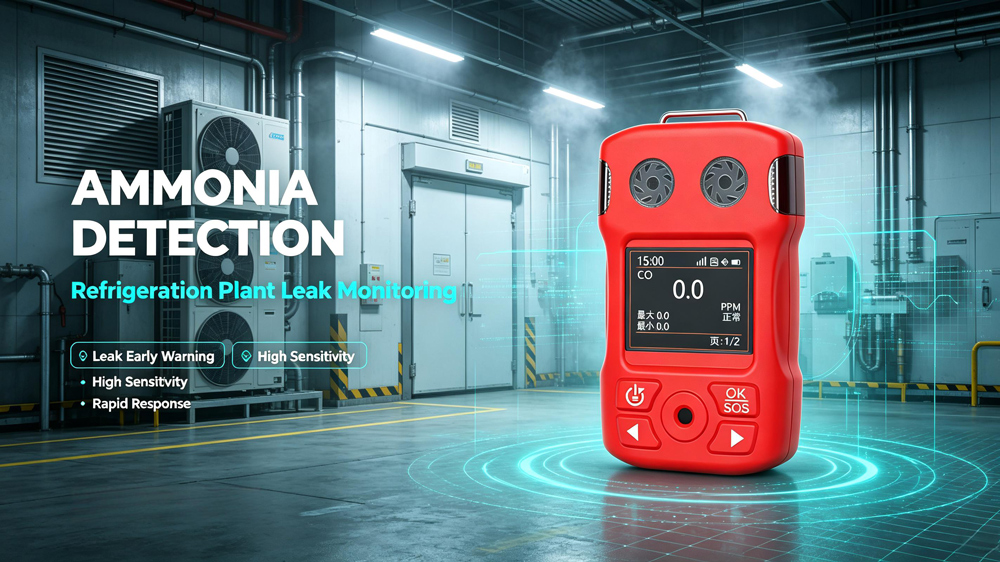
What is the appropriate installation height for an ammonia gas detectors?
Ammonia (NH₃) has a relative density of only 0.59, much lighter than air. This means that in the event of a leak, the gas will qu...
2026-09-09
 info@eranntexgas.com sale1@eranntexgas.com


 15914124845