
What is the alarm threshold of the hydrogen detector?
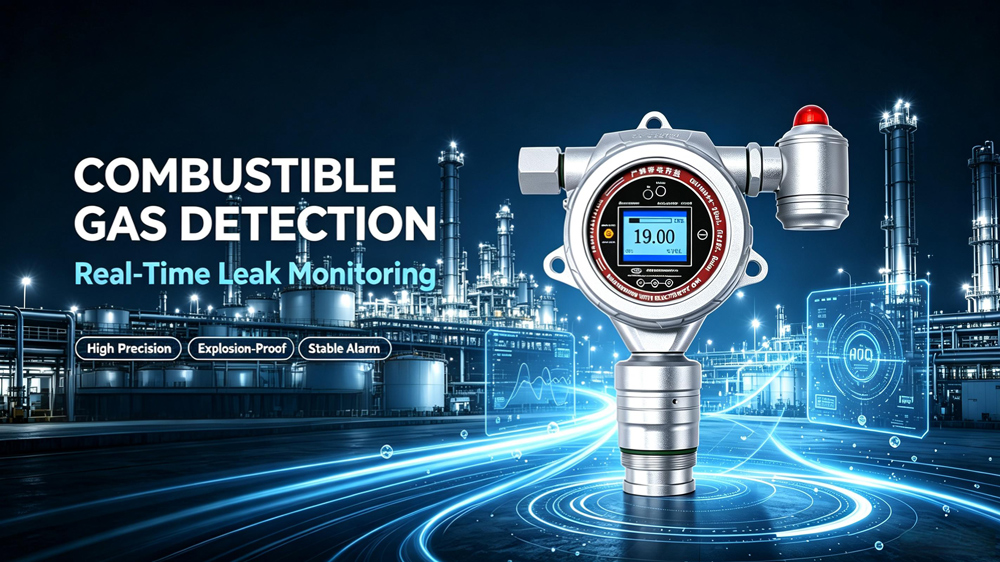
Publication Date:2024/08/12 In the field of industrial production, any place where hydrogen may leak needs to use a hydrogen detector to detect changes in the concentration of hydrogen, because it is our key to prevent hydrogen leakage accidents and ensure the safety of personnel and equipment. One of the lines of defense. Therefore, when formulating the alarm threshold, we need to comprehensively consider various factors to ensure that the hydrogen detector can not only meet the safety requirements, but also avoid false positives or omissions. Do you know the alarm threshold of hydrogen detector ? The following is a brief introduction by yiyuntian electronics:
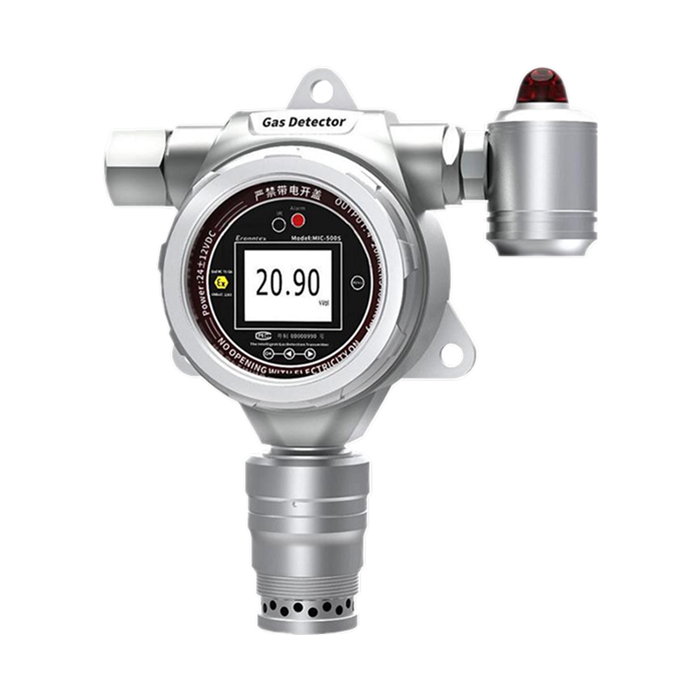
The alarm threshold of the hydrogen detector is set according to relevant safety standards and actual conditions, specific as follows:
1. alarm threshold setting criteria
The alarm threshold of the hydrogen detector mainly refers to the following national standard documents:
GBT 50058-2014 Code for Design of Electrical Devices in Explosive Hazardous Environments:
The lower explosive limit (LEL) of hydrogen is 4.00 Vol, that is, when the concentration of hydrogen in the air reaches 4.00, combustion and explosion may occur in case of open flame.
GBT 50493-2019 Petrochemical Combustible Gas and Toxic Gas Detection and Alarm Design Standard (official version):
The first level alarm setting for combustible gas shall be less than or equal to 25% LEL.
The secondary alarm setting for combustible gas shall be less than or equal to 50% LEL.
2. specific alarm thresholds
primary alarm value: less than or equal to 25% of the lower explosive limit (LEL) of hydrogen, I .e. 25% of 4.00 Vol, converted into 1.00 Vol, or converted to ppm value (assuming that the oxygen content in the air is 21%, every 1% Vol is approximately equal to 10000ppm) is 10000ppm.
secondary alarm value: less than or equal to 50% of the lower explosive limit (LEL) of hydrogen, I .e. 50% of 4.00 Vol, converted into 2.00 Vol, or converted into ppm value of 20000ppm.
3. precautions
After the alarm threshold of the hydrogen detector is set, it should be checked and calibrated regularly to ensure its accuracy and reliability.
When the hydrogen detector sends an alarm, corresponding safety measures should be taken immediately, such as evacuation of personnel, ventilation, etc., and check the cause of the alarm to confirm whether there are safety hazards such as hydrogen leakage.
In summary, we can see that the alarm threshold of the hydrogen detector is usually set to the first alarm value of 1.00%Vol (or 10000ppm) and the second alarm value of 2.00%Vol (or 20000ppm), however, the specific alarm threshold may vary depending on the actual situation.
Related information
-
How to Calibrate a Portable four-in-one Gas Detectors?
Portable four-in-one gas detectors are core protective equipment in the industrial safety field. However, sensors can experience z...
2026-09-18 -
What are the application scenarios for portable four-in-one gas detectors?
Portable four-in-one gas detectors typically monitor oxygen (O₂), flammable gas (LEL), carbon monoxide (CO), and hydrogen sulfide...
2026-09-16 -
Portable four-in-one Gas Detectors User Manual
The portable four-in-one gas detectors is a core piece of personal protective equipment (PPE) for ensuring the safety of personnel...
2026-09-14 -

Calibration Specifications for Ammonia gas Detectors
Calibration of ammonia gas detectors is a core step in ensuring their measurement accuracy and alarm reliability. However, ammonia...
2026-09-11 -
What is the appropriate installation height for an ammonia gas detectors?
Ammonia (NH₃) has a relative density of only 0.59, much lighter than air. This means that in the event of a leak, the gas will qu...
2026-09-09
 info@eranntexgas.com sale1@eranntexgas.com


 15914124845