
What are the measures to deal with the aging of the oxygen detector?
Publication Date:2024/10/25 Oxygen detectors used for a long time will inevitably experience aging, which is a natural process of accumulation over time. In this process, the internal components of the oxygen detector will gradually lose their original performance, which will affect the performance and accuracy of the instrument to a certain extent. So do you know what the oxygen detector aging countermeasures are? The following is a brief introduction by yiyuntian electronics:
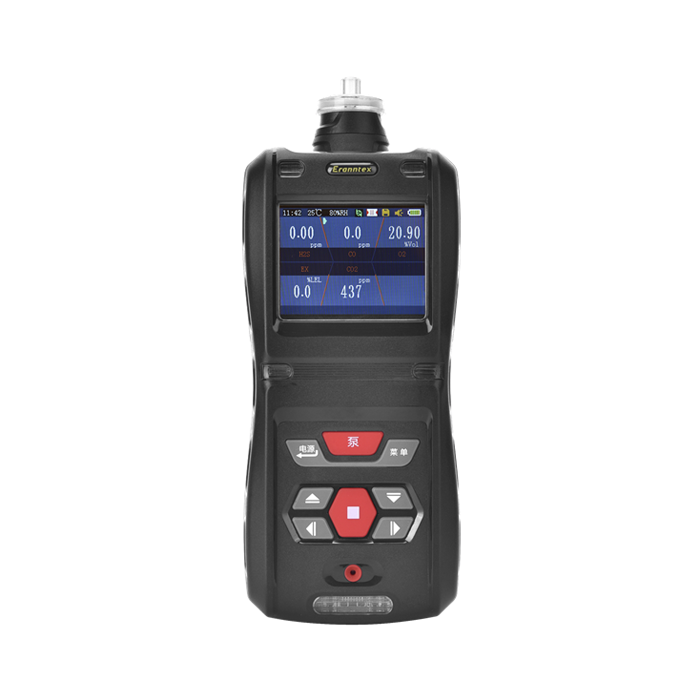
1. aging
(1) Sensor degradation:
The core of the oxygen detector is the sensor, which is responsible for detecting the oxygen concentration in the environment.Over time, the sensitive elements inside the sensor may gradually degrade due to factors such as chemical corrosion, physical wear, or thermal stress, resulting in a decrease in detection accuracy.
(2) Electronic component aging:
The internal electronic components of the oxygen detector, such as resistors, capacitors, transistors, etc., will gradually age with the increase of use time. This may lead to unstable circuit performance, thereby affecting the normal operation of the oxygen detector.
(3) Mechanical parts wear:
The mechanical parts of the oxygen detector, such as pumps, valves, connectors, etc., will also wear out due to long-term use. Wear may lead to gas leakage, flow instability and other problems, thus affecting the accuracy of the test results.
(4) Environmental factors:
The environment in which the oxygen detector is located also affects its aging rate. For example, harsh environments such as high temperature, high humidity, and corrosive gases will accelerate the aging process of the oxygen detector.
Effects of 2. Aging
(1 2) Decreased detection accuracy:
The aging of sensors and electronic components will cause the detection accuracy to decrease, making the oxygen detector unable to accurately reflect the oxygen concentration in the environment.
(2) Increased failure rate:
As the oxygen detector ages, its failure rate will gradually increase. This may lead to frequent shutdown of the oxygen detector, false alarm and other problems, affecting production safety and personnel health.
(3) Rising maintenance costs:
The maintenance cost of the oxygen detector will gradually increase after aging. For example, aging sensors need to be replaced, faulty circuits need to be repaired, etc.
3. measures
(1) Regular calibration and maintenance:
Regularly calibrate and maintain the oxygen detector to ensure its accuracy and reliability. The calibration cycle should be determined according to the frequency of use of the oxygen detector and environmental conditions.
(2) Replace aging parts:
When the performance of sensors, electronic components or mechanical parts is degraded due to aging, new parts should be replaced in time. In this way, the performance of the oxygen detector can be restored and its service life can be extended.
(3) Improve the use environment:
Try to avoid exposing the oxygen detector to harsh environments. If it must be used in these environments, additional protective measures should be taken, such as installing protective covers and using filters.
(4) Updates:
When the oxygen detector is too old to be repaired or replaced to restore its performance, it should be considered for replacement. Choose a new model instrument with better performance and more reliable to replace the aging instrument.
(5) Professional training:
Provide professional training to operators to make them understand the correct use of oxygen detectors and precautions. In this way, damage and aging of the oxygen detector caused by improper operation can be reduced.
In summary, we can see that although the aging of the oxygen detector is an inevitable process, we take measures such as regular calibration and maintenance, replacement of aging parts, improvement of the use environment, upgrading and professional training, it can extend the service life of the oxygen detector and maintain its accuracy and reliability.
Related information
-
How to Calibrate a Portable four-in-one Gas Detectors?
Portable four-in-one gas detectors are core protective equipment in the industrial safety field. However, sensors can experience z...
2026-09-18 -
What are the application scenarios for portable four-in-one gas detectors?
Portable four-in-one gas detectors typically monitor oxygen (O₂), flammable gas (LEL), carbon monoxide (CO), and hydrogen sulfide...
2026-09-16 -
Portable four-in-one Gas Detectors User Manual
The portable four-in-one gas detectors is a core piece of personal protective equipment (PPE) for ensuring the safety of personnel...
2026-09-14 -

Calibration Specifications for Ammonia gas Detectors
Calibration of ammonia gas detectors is a core step in ensuring their measurement accuracy and alarm reliability. However, ammonia...
2026-09-11 -
What is the appropriate installation height for an ammonia gas detectors?
Ammonia (NH₃) has a relative density of only 0.59, much lighter than air. This means that in the event of a leak, the gas will qu...
2026-09-09
 info@eranntexgas.com sale1@eranntexgas.com


 15914124845