
What is the upper and lower limits of the combustible gas alarm?
Publication Date:2025/05/12In today's society, combustible gas alarm has become an indispensable safety equipment in many industrial sites. It can give an alarm in time when the combustible gas leaks, and effectively prevent the occurrence of safety accidents such as fire and explosion. However, to ensure the accuracy and reliability of the alarm, it is very important to set the upper and lower limits of the alarm. Do you know the upper and lower limits of combustible gas alarm ? The following is a brief introduction by Yiyuntian Electronics:
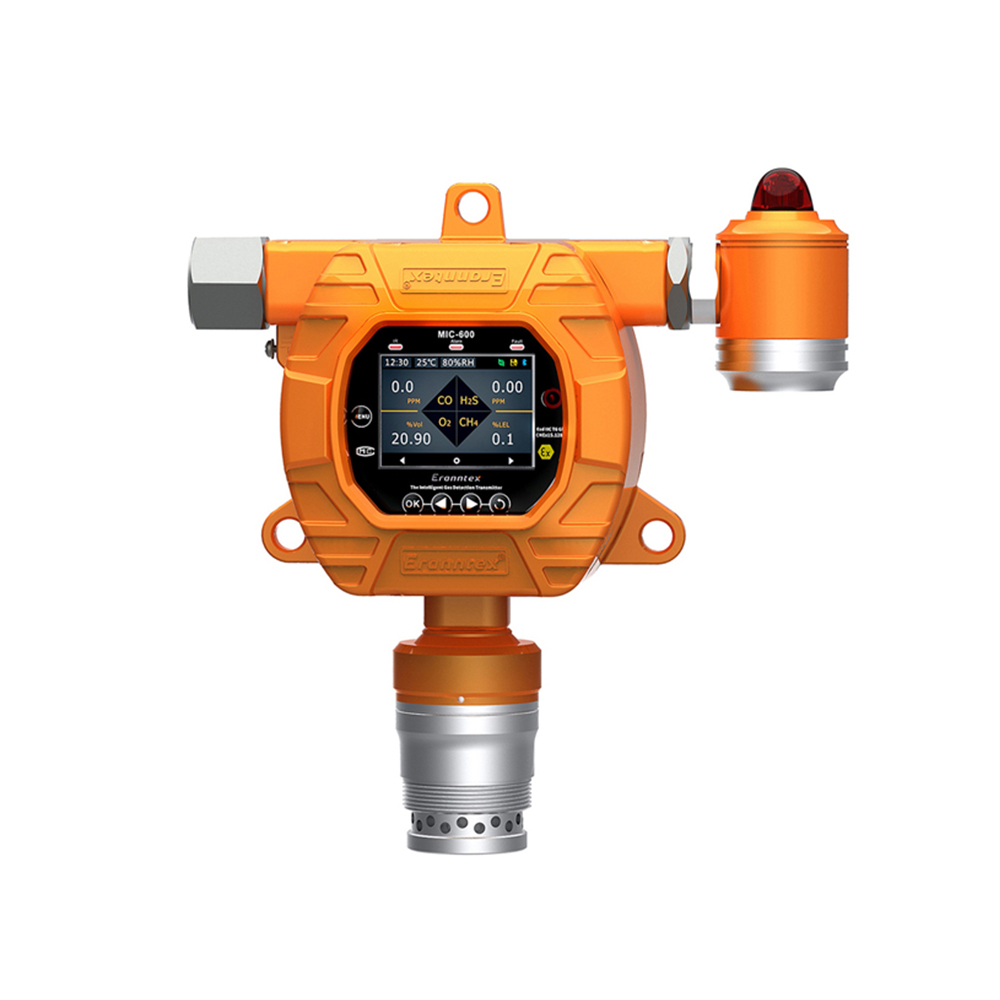
Definition of Alarm Upper and Lower Limits for 1. Combustible Gas Alarm
The upper and lower alarm limits of the combustible gas alarm, it means that when the concentration of combustible gas reaches or exceeds a certain value, the alarm will issue an alarm to remind people to take corresponding measures. This specific value is usually based on the explosion limit of combustible gas (LEL,Lower Explosive Limit) to set.
Lower Explosive Limit (LEL): refers to the lowest concentration of combustible gas in the air that can explode when exposed to open flame.
lower alarm limit: usually set to a certain 1 percentage of combustible gas concentration reaching the lower explosive limit, such as 25% LEL. When the gas concentration reaches or exceeds this 1 value, the alarm will give a low limit alarm.
Alarm upper limit: Generally set to a higher percentage of combustible gas concentration reaching the lower explosive limit, such as 50% LEL or higher. When the gas concentration reaches or exceeds this 1 value, the alarm will issue a high limit alarm, indicating that the situation is more urgent.
How to Set the 2. Alarm Limit
In accordance with the national standard GB15322.1-2019, Combustible Gas Detectors-Part 1: Point-type Combustible Gas Detectors for Industrial and Commercial Use, the low limit alarm setting value of combustible gas alarm shall be in the range of 5% LEL ~ 25% LEL, and the high limit alarm setting value shall be 50% LEL (if there is a high limit alarm setting value).
other relevant standards such as GBT 50493-2019 "petrochemical combustible gas and toxic gas detection alarm design standard" also put forward clear requirements for the setting of alarm values.
Practical application requirements:
Different types of combustible gases have different explosion limits, so the setting of the alarm upper and lower limits should be adjusted according to the specific gas type. Factors such as the security level of the site and the intensity of personnel will also affect the setting of the upper and lower limits of the alarm.
3. how to properly set the alarm limit
Before setting the upper and lower limits of the alarm, it is necessary to fully understand the explosion limit, density, diffusion and other characteristics of the detected combustible gas.
Reference national standards and codes:
According to the requirements of national standards and specifications, combined with the actual application requirements, the upper and lower limits of the alarm are reasonably set.
Regular calibration and maintenance:
Regularly calibrate and maintain the combustible gas alarm to ensure its detection accuracy and reliability. At the same time, adjust the upper and lower limits of the alarm in time according to the change of the place or the change of the gas characteristics.
In summary, we can see that the upper and lower limits of the combustible gas alarm are the key values to protect safety.By setting these 1 parameters reasonably, we can effectively prevent the occurrence of safety accidents, improve the detection accuracy, and meet the requirements of laws and regulations.
Related information
-
Can a carbon dioxide detectors detect low oxygen levels?
In modern society, carbon dioxide detectors are becoming increasingly common—whether in the ventilation systems of commercial bui...
2026-04-17 -
The Role of Carbon Monoxide Detectors
In industrial settings worldwide, carbon monoxide is a common yet extremely dangerous toxic gas. It is colorless, odorless, and no...
2026-04-15 -
What is the alarm concentration for nitrogen oxide detectors?
In the fields of industrial safety, environmental monitoring, and occupational health, nitrogen oxides (NOₓ)—especially nitric o...
2026-04-14 -
The Principle of Nitrogen Oxide Detectors
Globally, with the acceleration of industrialization and the advancement of urbanization, air quality has become a central issue f...
2026-04-13 -
Five-Point Inspection Method for Nitrogen Oxide Detectors
For users, the reliability of Nitrogen Oxide Detectors is directly linked to environmental compliance, industrial safety, and publ...
2026-04-10


 info@eranntexgas.com


 13480931872