
What are the common causes of combustible gas detector alarm?
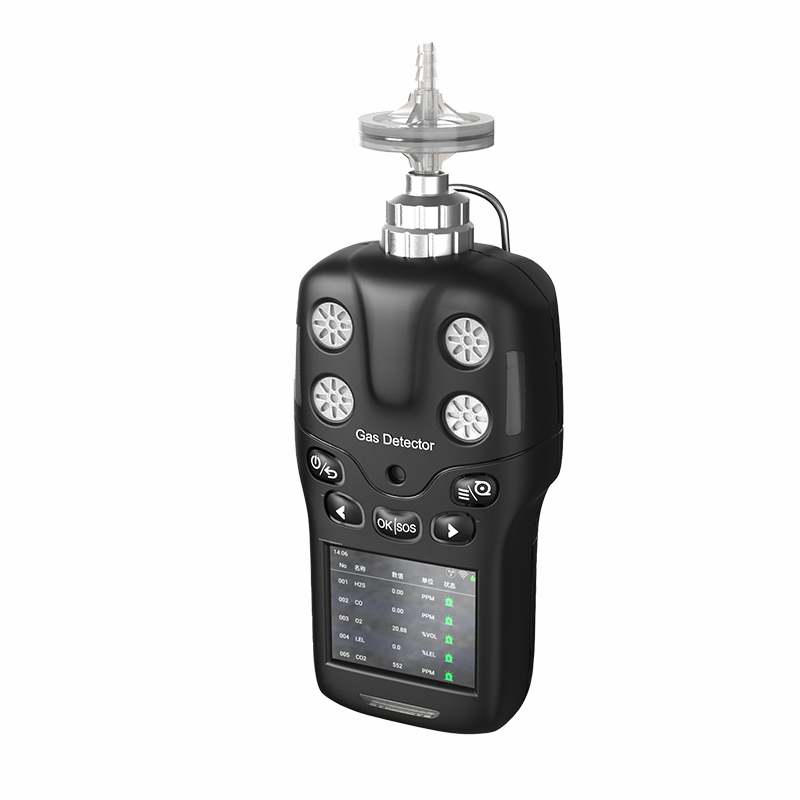
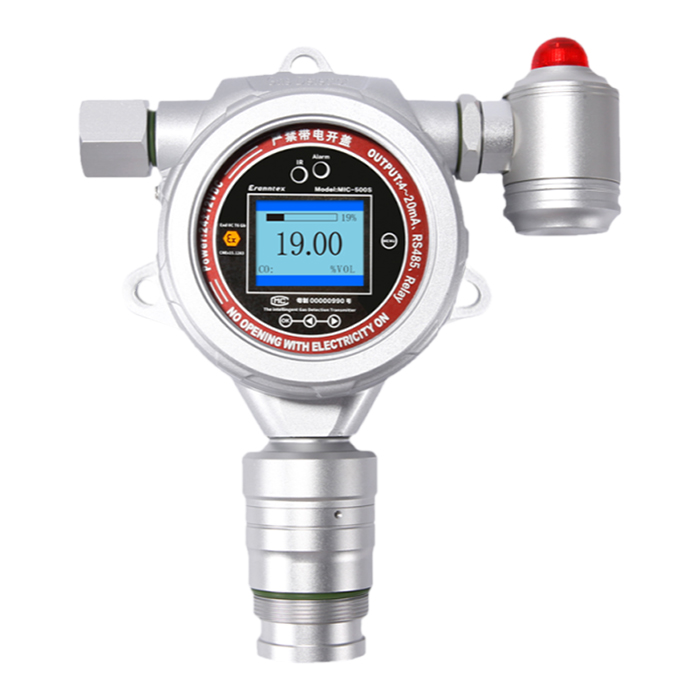
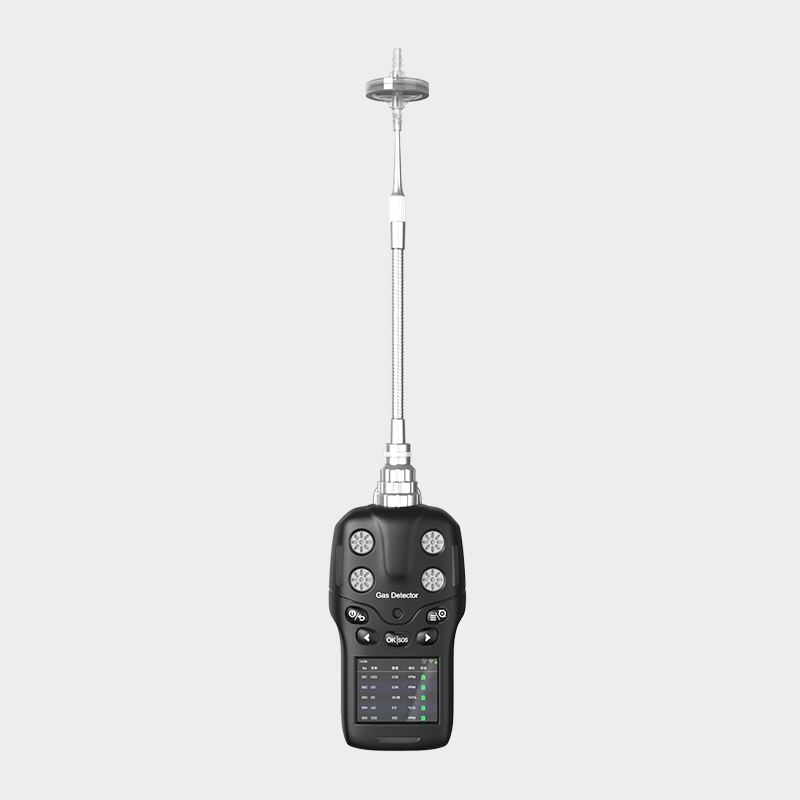
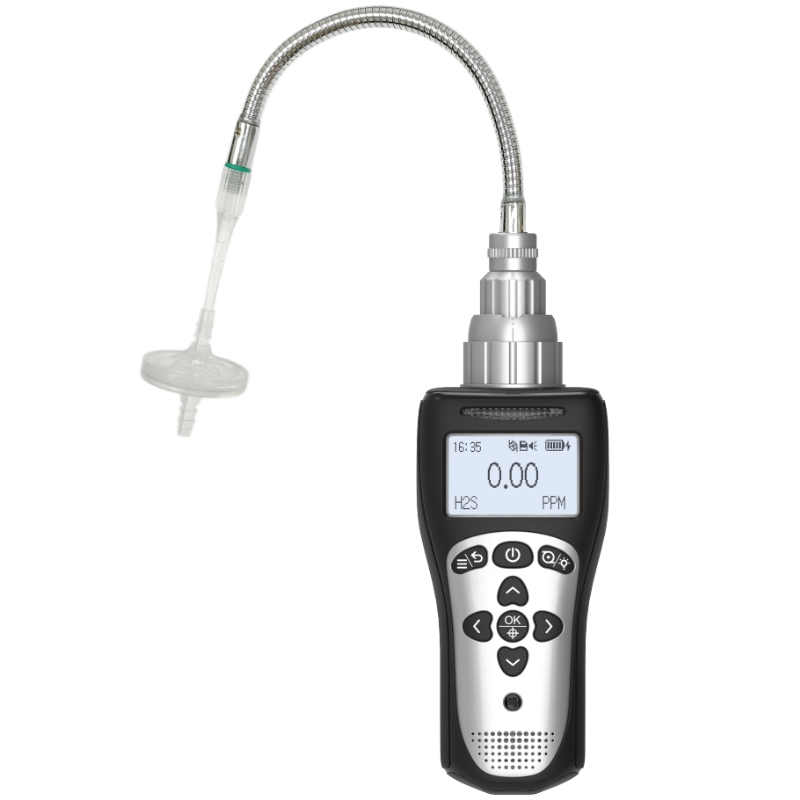
Publication Date:2025/05/19Combustible gas refers to a gas that can be evenly mixed with air within a certain concentration range to form a premixed gas, which will explode when encountering a fire source, and release a lot of energy during the combustion process. The combustible gas detector is the 1 kind of special gas detector used to detect combustible gas. It can monitor the concentration of combustible gas in the environment in real time. Once it exceeds the safety threshold, it will immediately issue an alarm to effectively prevent fires and explosions. The occurrence of safety accidents. Do you know the common causes of alarms for combustible gas detector ? The following is a brief introduction by Yiyuntian:

1. gas concentration exceeded
Cause: this is the most common cause of combustible gas detector alarm. When the concentration of combustible gas in the environment exceeds the alarm threshold set by the detector, the instrument will immediately issue an alarm. These combustible gases may include natural gas, liquefied gas, methane, acetylene, etc.
: Immediately confirm whether there is a combustible gas leak and find the source of the leak. Quickly take emergency measures, such as closing the gas source, ventilation, etc., to reduce the concentration of combustible gas. Notify relevant personnel to evacuate the site and ensure personnel safety.
2. Tester failure
Reason: the combustible gas detector itself may malfunction, causing false alarms or not working properly.This may be due to aging of the sensor, circuit damage, battery exhaustion, etc.
Countermeasures: Maintain and calibrate the tester regularly to ensure it is in good working condition. If you suspect that the detector is faulty, you should promptly contact professionals for maintenance or replacement. Before confirming the failure of the detector, do not ignore the alarm signal, so as not to miss the real danger.
3. environmental interference
br/>
Reason: certain environmental factors, such as temperature, humidity, electromagnetic interference, etc., may affect the normal operation of the combustible gas detector and cause false alarms. For example, a high temperature or high humidity environment may cause the performance of the sensor to be degraded, and electromagnetic interference may affect the signal transmission of the detector.
: When installing the tester, try to avoid placing it in a location that is susceptible to environmental interference. Regularly test the environmental adaptability of the detector to ensure that it can work normally in various environments.If it is found that environmental interference leads to false alarm, the setting of the detector should be adjusted in time or other measures should be taken to eliminate the interference.
4. alarm values are not set properly
Countermeasures: According to the actual use environment and needs, set the alarm value of the detector reasonably. Regularly review and adjust the alarm value of the detector to ensure that it meets the safety requirements. When setting the alarm value, the sensitivity and accuracy of the detector should be fully considered.
5. Sensor Drift
Reason: the sensor of the combustible gas detector may drift due to long-term use, harsh environment or aging, resulting in inaccurate measurement results and false alarms.
: Regularly calibrate and maintain the sensor to ensure its accuracy and reliability. If the sensor drift phenomenon is found, it should be timely contact professionals for maintenance or replacement.When using the detector, you should pay attention to the service life and performance changes of the sensor.
In summary, we can see that the common causes of combustible gas detector alarms are various, including gas concentration exceeding the standard, detector failure, environmental interference, unreasonable alarm value setting and sensor drift. In order to ensure the accuracy and reliability of the detector, we need to maintain and calibrate it regularly, and set the alarm value reasonably. At the same time, we should also pay attention to the use environment of the detector and the performance changes of the sensor, and take timely countermeasures. Only in this way can we give full play to the role of combustible gas detector and effectively prevent the occurrence of safety accidents such as fire and explosion.
Related information
-
Can a carbon dioxide detectors detect low oxygen levels?
In modern society, carbon dioxide detectors are becoming increasingly common—whether in the ventilation systems of commercial bui...
2026-04-17 -
The Role of Carbon Monoxide Detectors
In industrial settings worldwide, carbon monoxide is a common yet extremely dangerous toxic gas. It is colorless, odorless, and no...
2026-04-15 -
What is the alarm concentration for nitrogen oxide detectors?
In the fields of industrial safety, environmental monitoring, and occupational health, nitrogen oxides (NOₓ)—especially nitric o...
2026-04-14 -
The Principle of Nitrogen Oxide Detectors
Globally, with the acceleration of industrialization and the advancement of urbanization, air quality has become a central issue f...
2026-04-13 -
Five-Point Inspection Method for Nitrogen Oxide Detectors
For users, the reliability of Nitrogen Oxide Detectors is directly linked to environmental compliance, industrial safety, and publ...
2026-04-10


 info@eranntexgas.com


 13480931872