
What Are the Key Benefits of Oxygen Detectors?
Publication Date:2025/09/12Across numerous sectors including global industry, healthcare, and emergency response, oxygen detectors have become essential equipment for safeguarding personnel safety and maintaining stable operational environments. Through their precise and reliable performance, they establish an invisible safety barrier for users. Below, Eranntex editorial team provides an in-depth analysis of the primary advantages of oxygen detectors, helping you fully appreciate the value of this vital tool.

Precise Detection, Reliable Data
One core strength of oxygen detectors lies in their exceptional detection accuracy. In industrial production—such as within chemical, petroleum, and pharmaceutical sectors—even minute variations in oxygen concentration can precipitate severe safety incidents. Employing advanced sensor technology, these devices precisely measure the volume fraction of oxygen in the environment with minimal margin of error. For instance, some high-end models achieve accuracy of ±0.1% VOL, meaning they can accurately capture and report data even during extremely subtle oxygen concentration fluctuations. This high-precision detection capability enables personnel to promptly monitor environmental oxygen levels, allowing proactive measures to prevent hazards such as explosions or poisoning caused by oxygen deficiency or excess.
Rapid Response, Real-Time Alerts
Time is of the essence; in emergencies, an oxygen detector's rapid response capability is paramount. When environmental oxygen levels exhibit abnormal fluctuations, the detector reacts instantaneously, issuing timely warnings to users via audible and visual alarms. Whether in underground mines, confined spaces, or complex environments like fire scenes, this swift response mechanism secures precious time for personnel evacuation and emergency response. For instance, in mining accidents, should a gas leak reduce oxygen levels, the detector immediately sounds an alarm, prompting miners to evacuate swiftly and significantly enhancing survival rates.
Multi-scenario adaptability, flexible and convenient
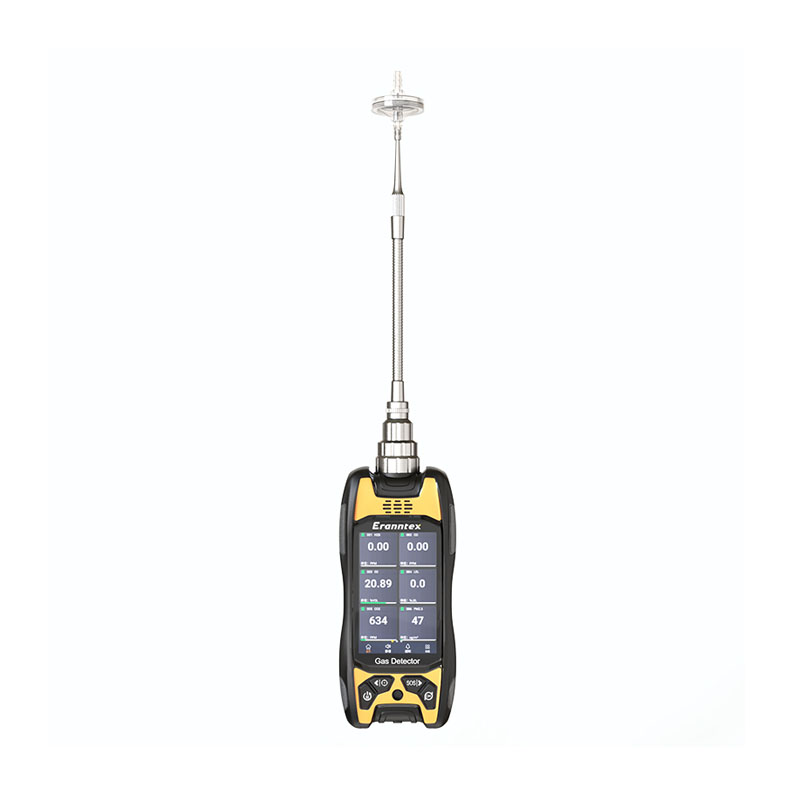
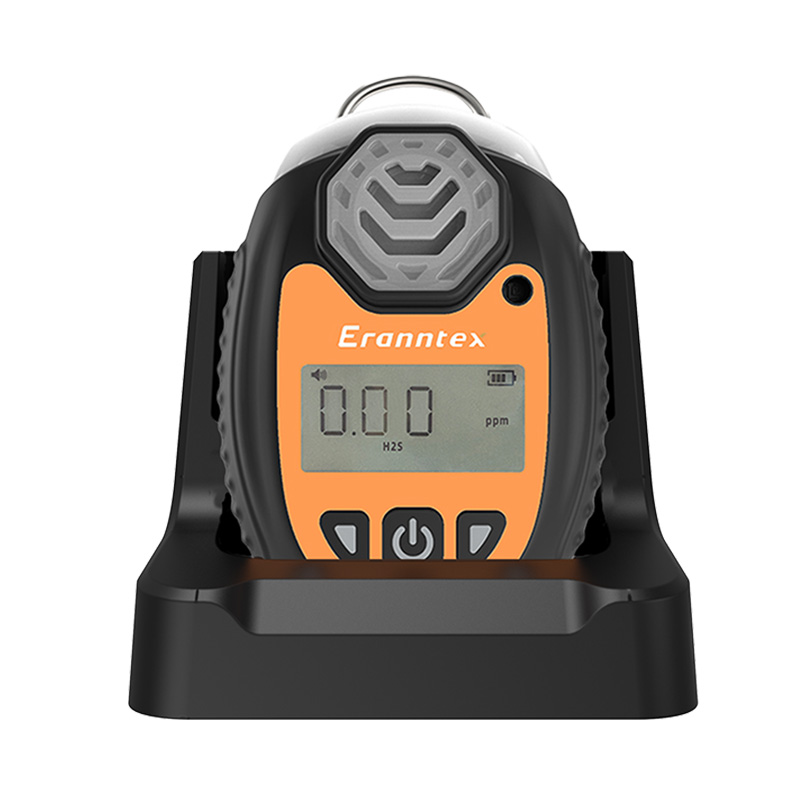
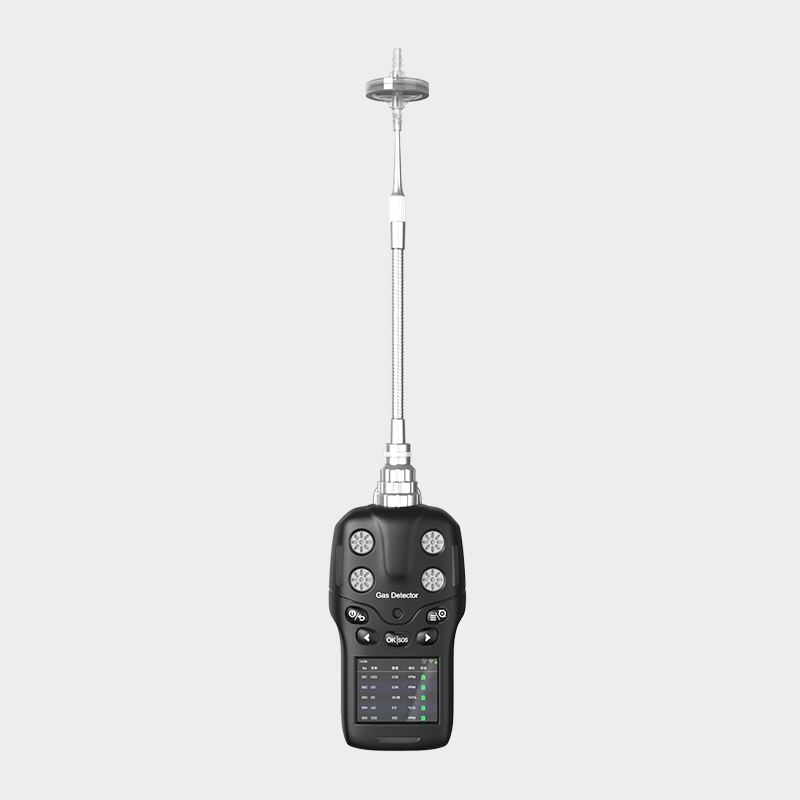
Oxygen detectors offer broad applicability, meeting diverse industry and scenario requirements. Within industrial settings, they monitor oxygen levels in production workshops to ensure manufacturing safety. In healthcare, they oversee oxygen supply in operating theatres and intensive care units, safeguarding patient wellbeing. For emergency response teams, they serve as essential equipment for firefighters and rescuers entering hazardous zones like fire scenes or earthquake rubble, enabling them to assess oxygen conditions and devise appropriate rescue strategies. Furthermore, oxygen detectors feature a portable design, being compact and lightweight for easy transport and operation. Personnel can readily carry them to required locations for rapid on-site testing, significantly enhancing operational efficiency.
Intelligent Functionality, Simplified Operation
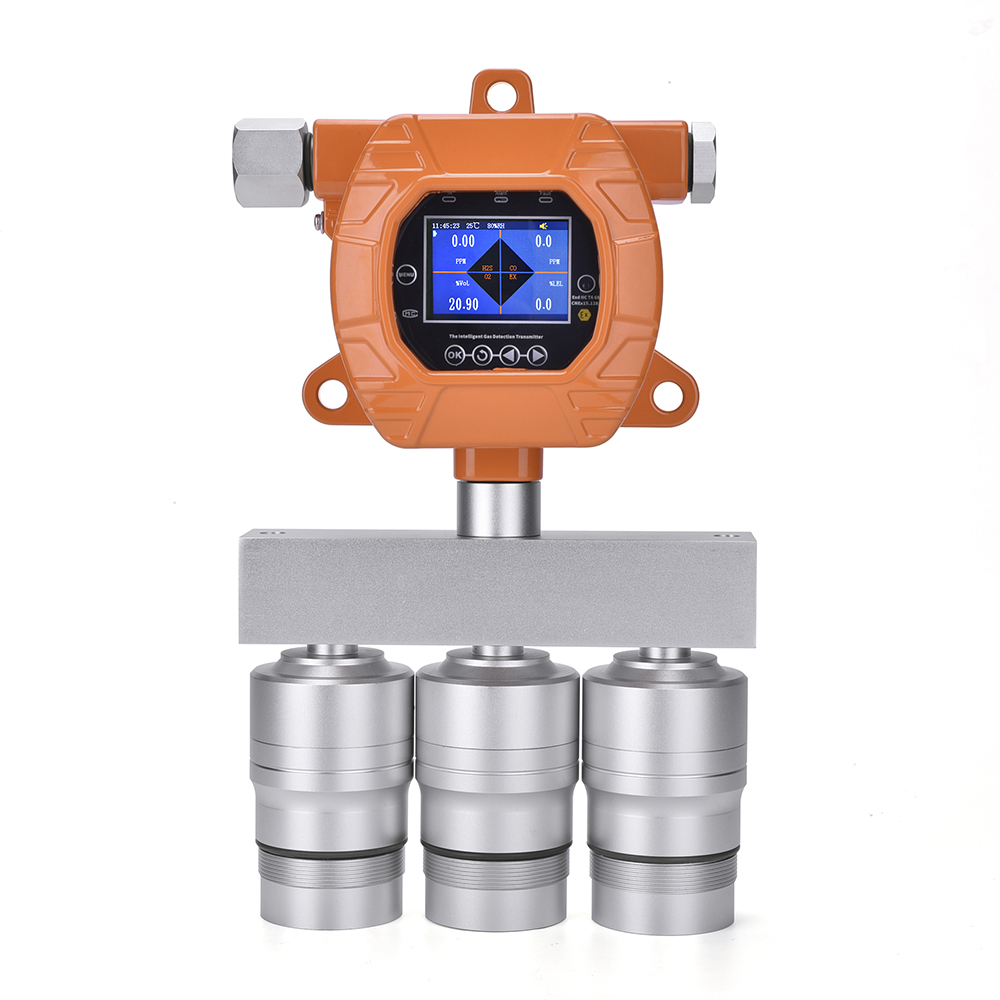
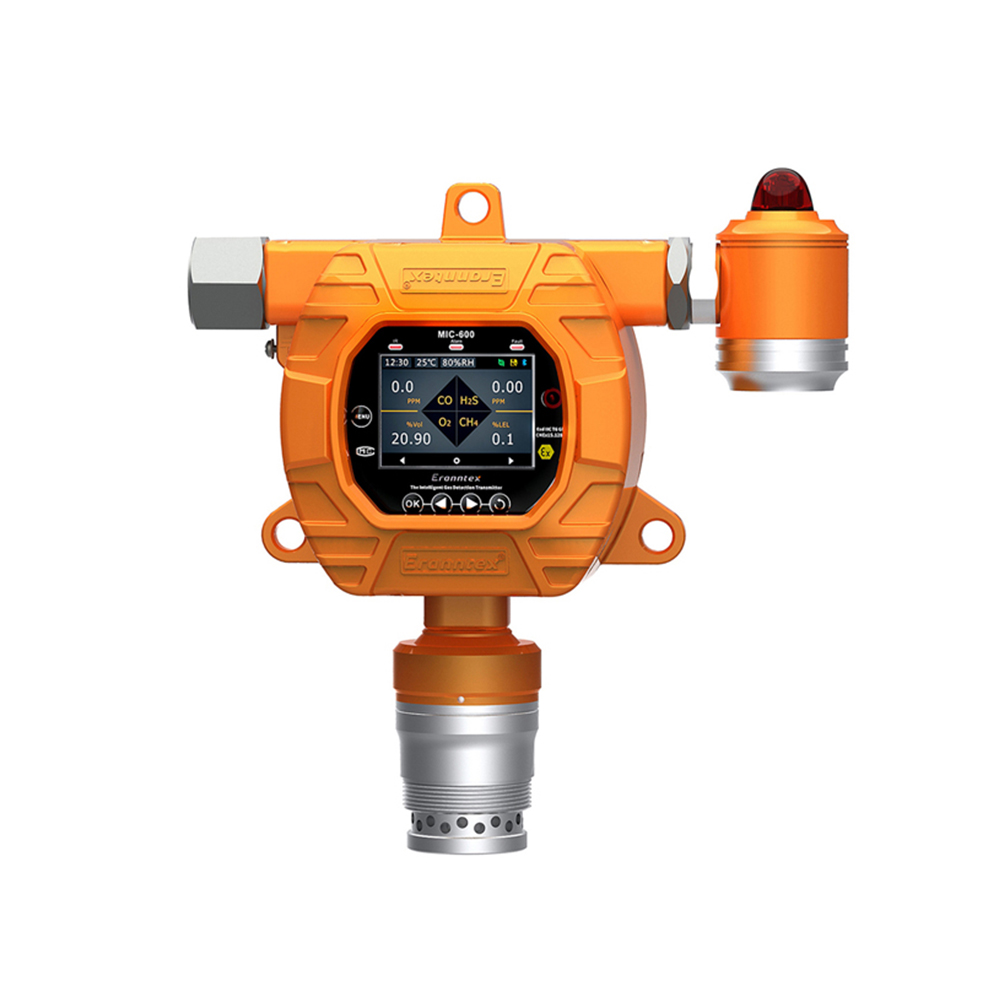
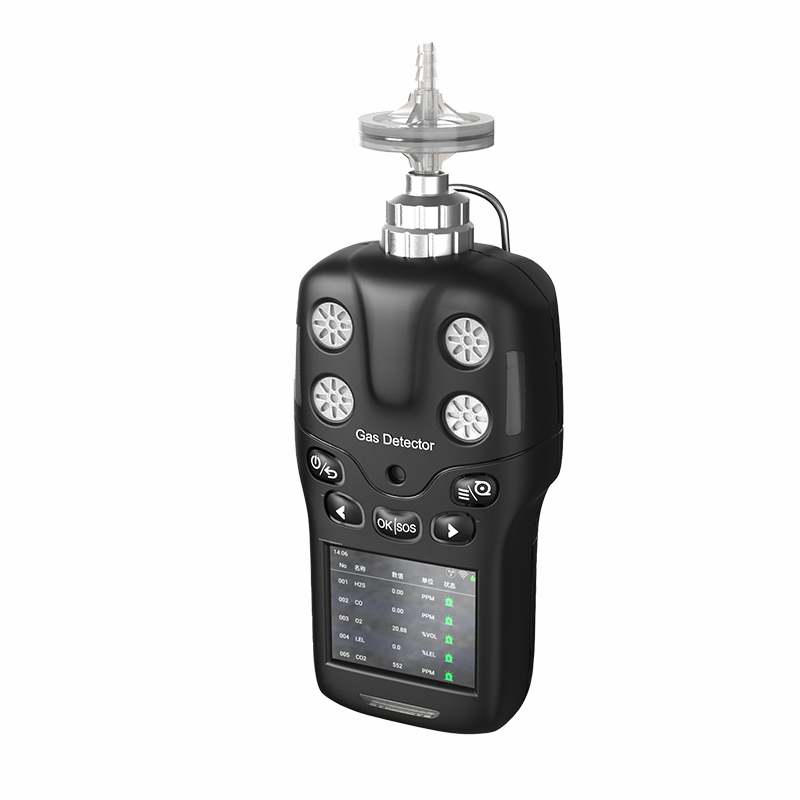
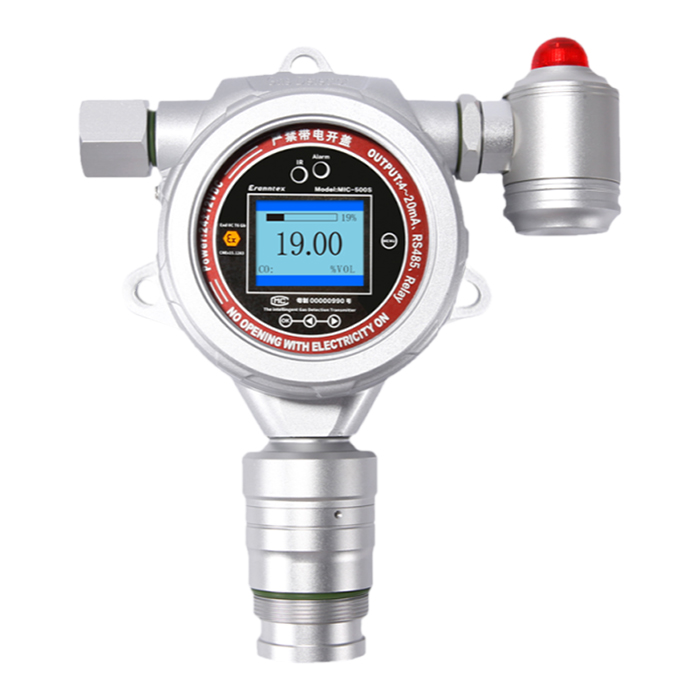
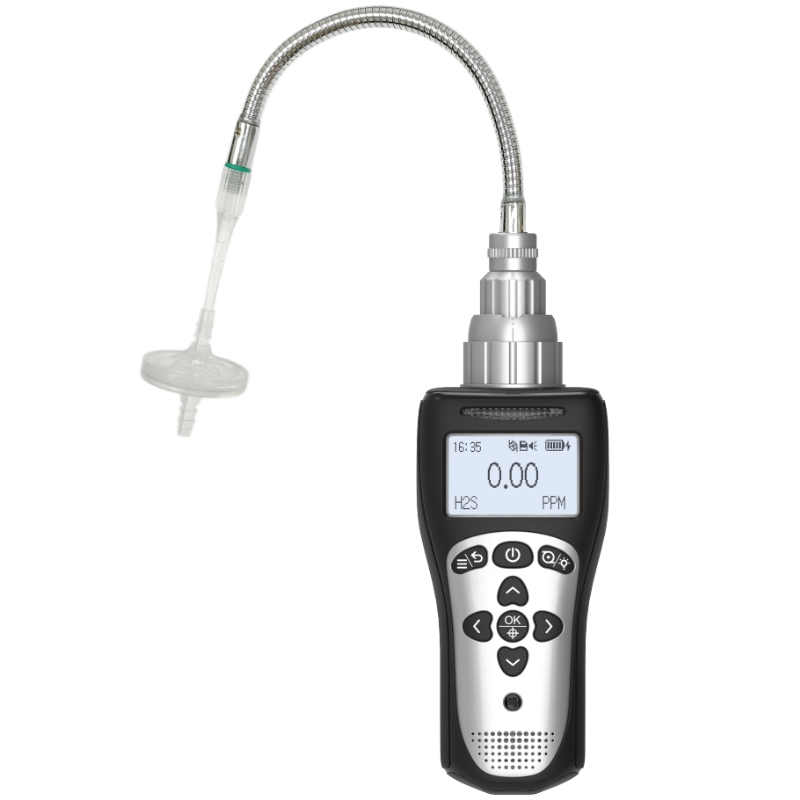
With ongoing technological advancements, modern oxygen detectors incorporate increasingly sophisticated intelligent features, streamlining their operation. Many models feature large LCD screens that clearly display oxygen concentration readings, detection timestamps, and alarm statuses, facilitating easy viewing and record-keeping. Furthermore, certain detectors offer data storage and transmission capabilities, automatically saving measurements to internal memory and enabling transfer via USB or wireless communication to computers or mobile devices for analysis and management. Moreover, intelligent calibration functions simplify maintenance procedures. Users need only follow on-screen prompts to complete the calibration process, ensuring the instrument's accuracy and reliability.
Oxygen detectors, with their precise measurement capabilities, rapid response times, multi-scenario applicability, and intelligent convenience, have become vital tools for safeguarding life safety and environmental stability. Globally, they are playing an increasingly significant role, providing reliable safety assurance for both industrial operations and daily living.
Related information
-
Can a carbon dioxide detectors detect low oxygen levels?
In modern society, carbon dioxide detectors are becoming increasingly common—whether in the ventilation systems of commercial bui...
2026-04-17 -
The Role of Carbon Monoxide Detectors
In industrial settings worldwide, carbon monoxide is a common yet extremely dangerous toxic gas. It is colorless, odorless, and no...
2026-04-15 -
What is the alarm concentration for nitrogen oxide detectors?
In the fields of industrial safety, environmental monitoring, and occupational health, nitrogen oxides (NOₓ)—especially nitric o...
2026-04-14 -
The Principle of Nitrogen Oxide Detectors
Globally, with the acceleration of industrialization and the advancement of urbanization, air quality has become a central issue f...
2026-04-13 -
Five-Point Inspection Method for Nitrogen Oxide Detectors
For users, the reliability of Nitrogen Oxide Detectors is directly linked to environmental compliance, industrial safety, and publ...
2026-04-10

 info@eranntexgas.com


 13480931872