
Working principle of gas detector
Publication Date:2021/07/14 Nowadays, with the continuous improvement of people's safety awareness, in addition to chemical plants, gas detectors have been installed to monitor harmful gases in the air in real time, so as to detect gas leaks in time. Although the role of gas detectors is great, little is known about the working principle of gas detectors. So do you know how Gas Detector works? The following is a brief introduction by yi yun Tian:

gas detector works:
The working principle of the gas detector is the electrochemical principle. The working method of the sensor is to detect a certain amount of gas. It first passes through a sintered stainless steel filter and then through the gas permeable membrane on the sensor to enter the inside of the sensor. Between the electrodes of the sensor and the electrolyte, oxygen is consumed and a corresponding current is generated between the anode and the cathode. When the current flows in the sensor, the positive electrode of the lead is oxidized to lead oxide, and the intensity of the output current is a linear function of the concentration of oxygen. The fast response capability of the sensor makes it possible to continuously monitor air or process gases.
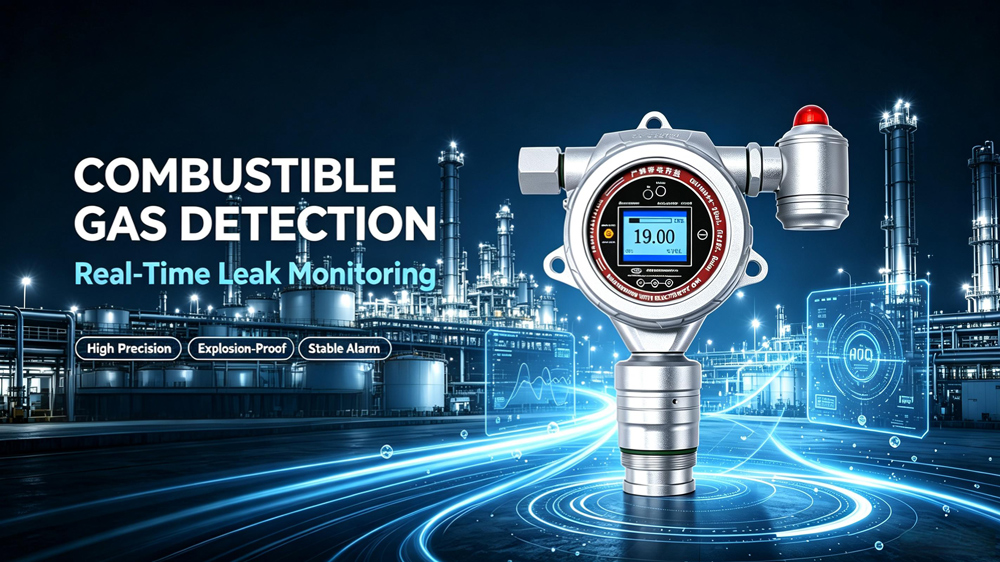
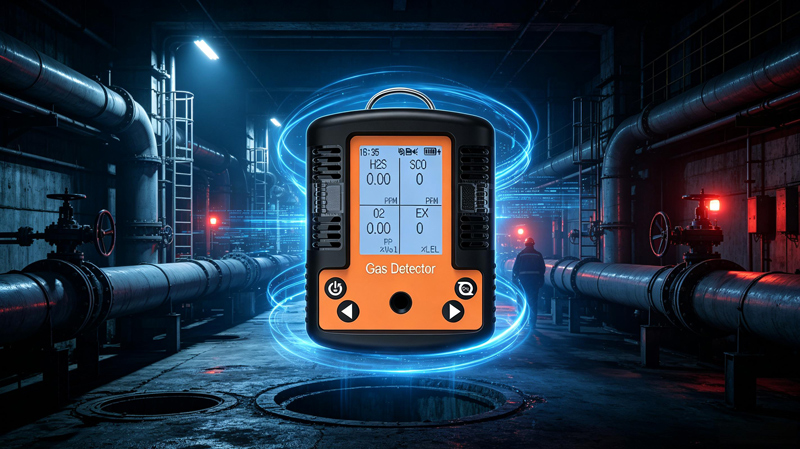
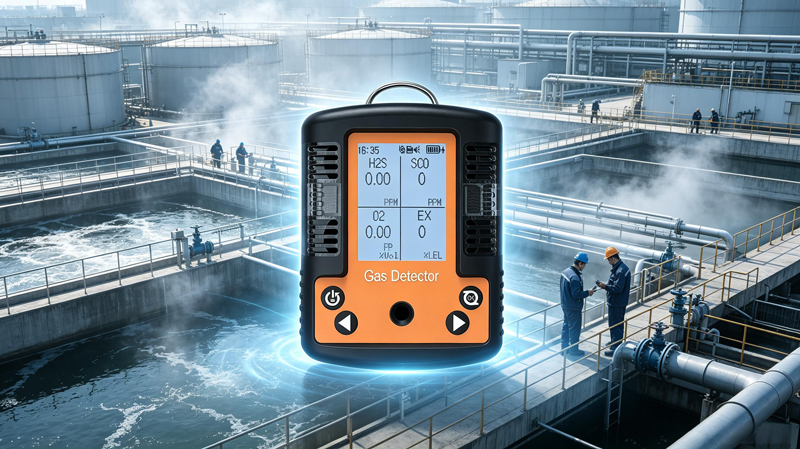
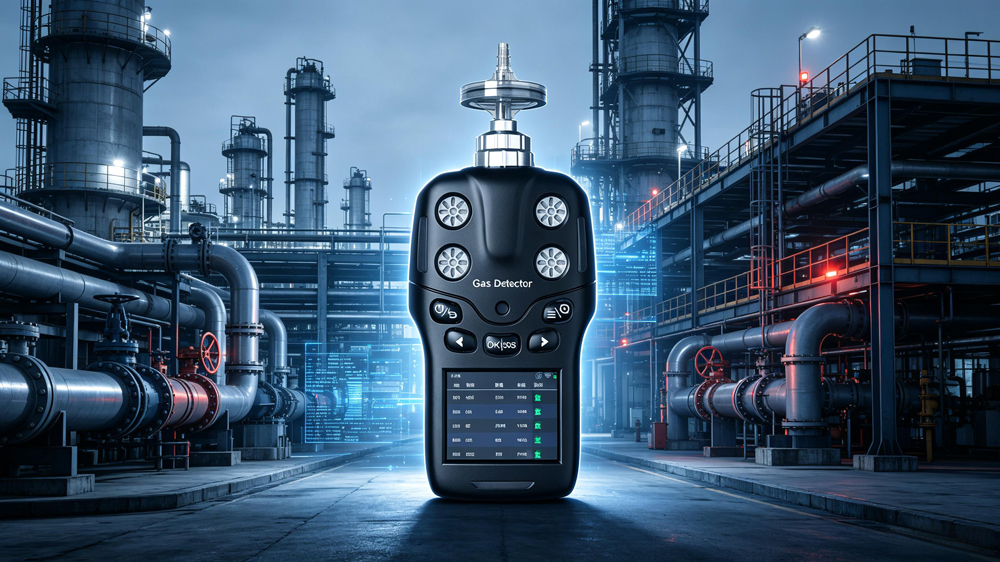
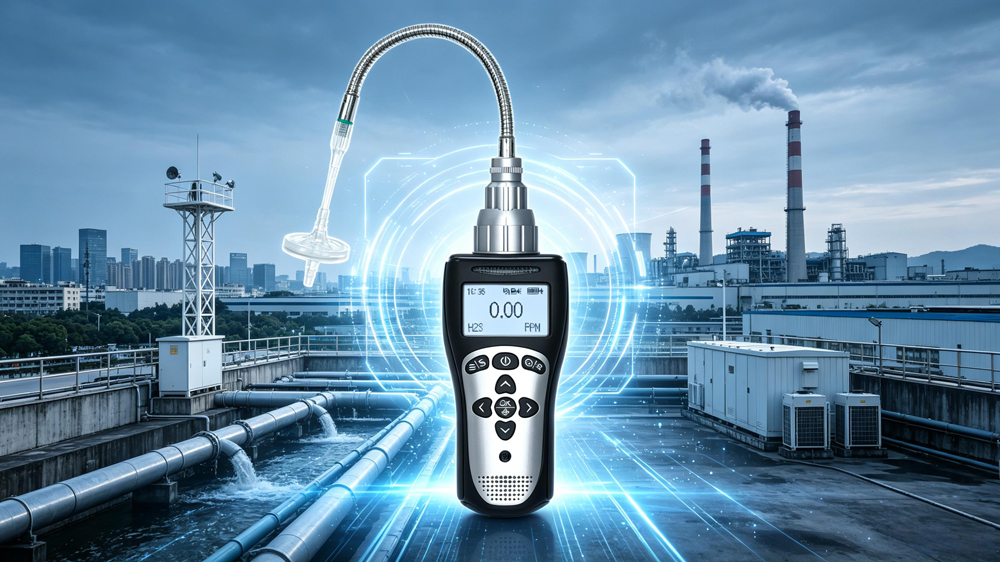
The gas detector is a mobile gas detector with storage and printable that detects the gas concentration in the environment and finds leaks. When you don't know where the leak is, you can take this instrument to find the leak point, and the place with higher concentration is the leak point. In terms of structure, it is the 1 product that shows that the meter head and the detection probe are separated. It can be used for mobile detection like hand-held or online desktop detection, which is more suitable for some specific places.
In summary, it is the working principle of the gas detector. The use of gas detector can effectively guarantee the life safety of personnel to a large extent. Therefore, it has become an indispensable protective equipment in industrial safety production. It is widely used in metallurgy, petroleum, petrochemical, chemical, chemical, shipbuilding, electric power, mines, city gas and other industries.
Related information
-
How to Calibrate a Portable four-in-one Gas Detectors?
Portable four-in-one gas detectors are core protective equipment in the industrial safety field. However, sensors can experience z...
2026-09-18 -
What are the application scenarios for portable four-in-one gas detectors?
Portable four-in-one gas detectors typically monitor oxygen (O₂), flammable gas (LEL), carbon monoxide (CO), and hydrogen sulfide...
2026-09-16 -

Portable four-in-one Gas Detectors User Manual
The portable four-in-one gas detectors is a core piece of personal protective equipment (PPE) for ensuring the safety of personnel...
2026-09-14 -

Calibration Specifications for Ammonia gas Detectors
Calibration of ammonia gas detectors is a core step in ensuring their measurement accuracy and alarm reliability. However, ammonia...
2026-09-11 -
What is the appropriate installation height for an ammonia gas detectors?
Ammonia (NH₃) has a relative density of only 0.59, much lighter than air. This means that in the event of a leak, the gas will qu...
2026-09-09


 info@eranntexgas.com sale1@eranntexgas.com


 15914124845