
Introduction to the principle of laser methane detector
Publication Date:2021/08/25 In recent years, the laser methane detector is very popular because it is an instrument for detecting methane concentration and is an instrument that is supported by the state in the construction of biogas. Through the application of laser methane detector, continuous detection of methane gas concentration, which can effectively ensure the safety of staff from infringement, production equipment from loss. Do you know the principle of laser methane detector ? The following is a brief introduction by yi yun Tian:

Principle of laser methane detector:
The laser methane detector has a built-in laser diode that emits a laser beam with a wavelength equal to the large absorption wavelength of methane. In case of methane molecules, part of the laser will be absorbed by methane molecules, and the concentration of methane can be known by measuring the absorption rate.
laser methane detector is based on tunable laser spectral absorption ( The 1 new gas detector developed by TDLAS) principle, because methane gas absorbs the spectrum of a specific wavelength, according to the law of Beer-Lambert, the absorption intensity is proportional to the concentration of methane gas, the concentration of methane gas is calculated through the detection of gas absorption intensity, and the laser principle is not affected by external temperature, humidity and pressure, is not interfered by other gases, and has no drift characteristics for long-term use.
It uses lithium battery power supply, low power consumption and long life. The software operation Chinese interface is intuitive and friendly, and has the function of sound and light alarm. High sensitivity, fast response, good selectivity, only for methane reaction, will not produce false positives for other hydrocarbon gases.
In summary, it is the principle of the laser methane detector.It is because of the advantages of the laser methane detector, only in this way can the laser methane detector be widely used in petroleum, petrochemical, chemical, fire protection, environmental protection coal, electric power, municipal, medicine, mechanical equipment, agriculture, animal husbandry, 3D printing, glass processing, disinfection, chemical fertilizer, rubber, video screen, anti-corrosion, resin, adhesive and pesticide, garbage treatment plant, greenhouse cultivation, underground tunnel, emission detection, warehousing and logistics, brewing and fermentation, workshop, laboratory, steel smelting, exhaust gas treatment, shopping malls, desulfurization and denitrification, kitchen, cement plant boiler room and other occasions for application.
Related information
-
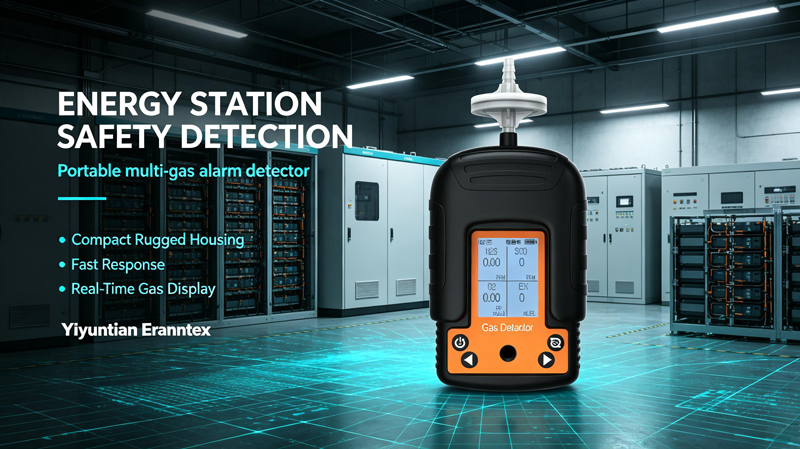
How to Calibrate a Portable four-in-one Gas Detectors?
Portable four-in-one gas detectors are core protective equipment in the industrial safety field. However, sensors can experience z...
2026-09-18 -
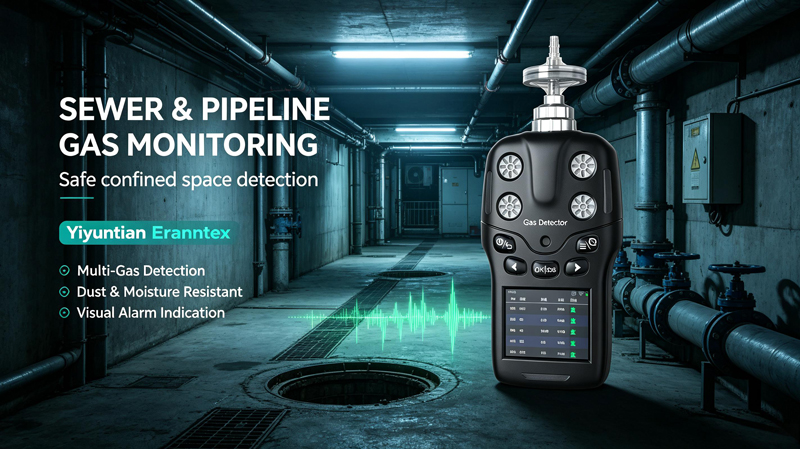
What are the application scenarios for portable four-in-one gas detectors?
Portable four-in-one gas detectors typically monitor oxygen (O₂), flammable gas (LEL), carbon monoxide (CO), and hydrogen sulfide...
2026-09-16 -
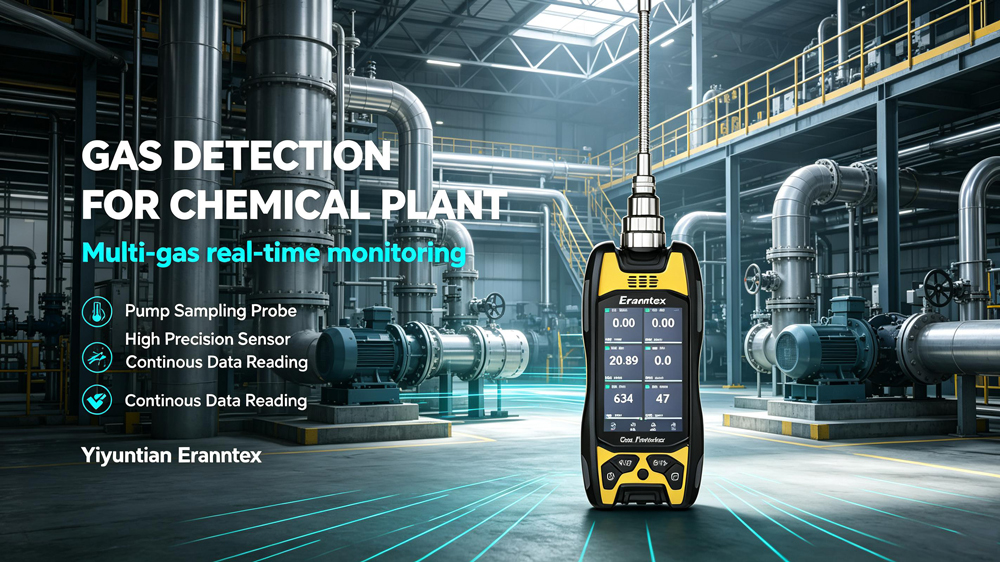
Portable four-in-one Gas Detectors User Manual
The portable four-in-one gas detectors is a core piece of personal protective equipment (PPE) for ensuring the safety of personnel...
2026-09-14 -

Calibration Specifications for Ammonia gas Detectors
Calibration of ammonia gas detectors is a core step in ensuring their measurement accuracy and alarm reliability. However, ammonia...
2026-09-11 -
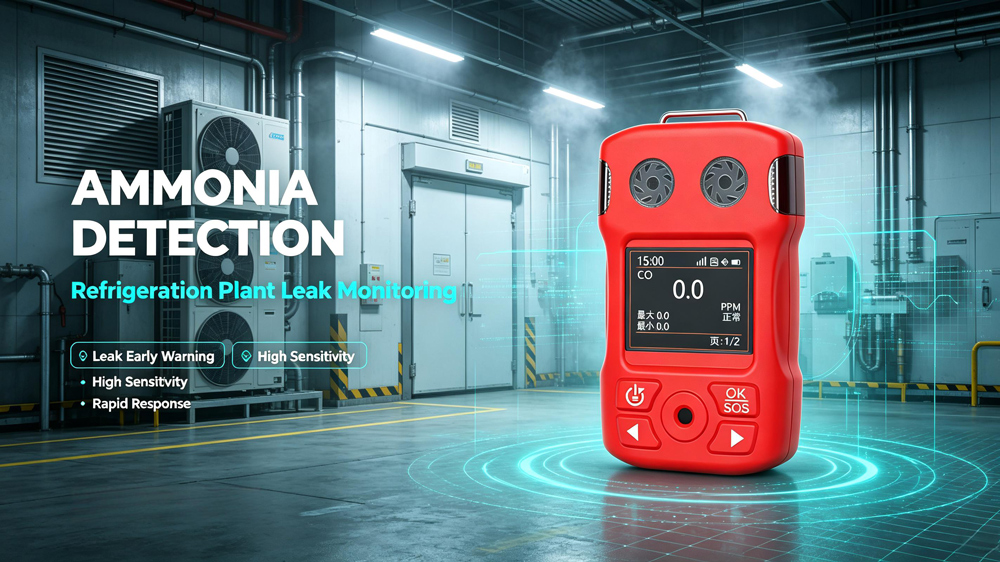
What is the appropriate installation height for an ammonia gas detectors?
Ammonia (NH₃) has a relative density of only 0.59, much lighter than air. This means that in the event of a leak, the gas will qu...
2026-09-09

 info@eranntexgas.com sale1@eranntexgas.com


 15914124845