
What is the detection range of combustible gas alarm?
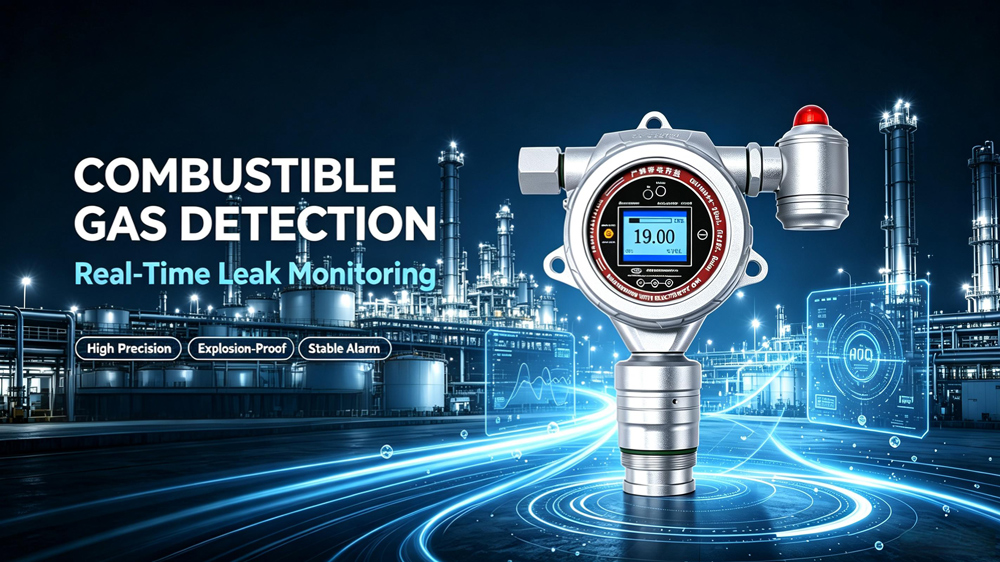
Publication Date:2022/03/02 Combustible gas refers to a gas that can be evenly mixed with air within a certain concentration range to form a premixed gas, which will explode when encountering a fire source, and release a lot of energy during the combustion process. For example, the combustible gas alarm is an instrument specially used for detecting combustible gases. It can detect many combustible gases, such as natural gas, liquefied gas, coal gas, ethane, acetylene, butane, n-butane, isobutane, pentane, hexane, halogenated hydrocarbons (methyl chloride, methylene chloride, trichloroethane, vinyl chloride), alcohols (methanol, ethanol, propanol), ethers, ketones (butanone, acetone), hydrogen, toluene and other compounds (gasoline, industrial solvents, paints, thinishes, coolants, dry cleaning solutions, methyl acetate, etc.). Then you know combustible gas alarm ? The following Yi Yuntian Xiaobian for you to introduce:
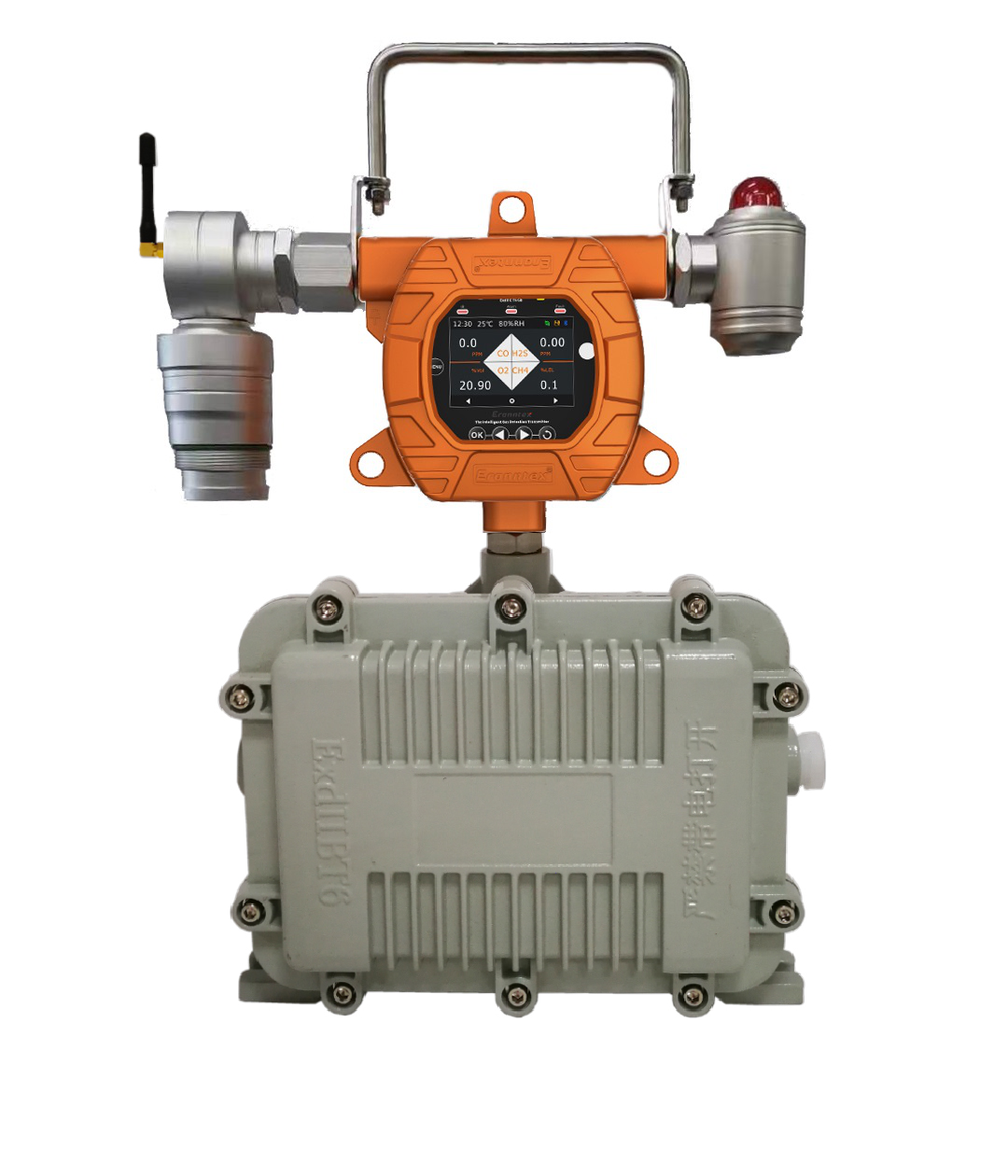
Combustible gas alarm probe detection range:
is generally between 5 meters and 10 meters, of which 5 meters indoors and 10 meters outdoors.That is to say, the combustible gas detector installed indoors should be installed every 5 meters, and a fixed gas alarm should be installed every 10 meters in the open air.
combustible gas alarm measuring range detection range:
combustible gas alarm measuring range is 0~100 LEL range, it is used to monitor the change of combustible gas in the surrounding air from 0 to 100 LEL.
according to national regulations, the low alarm is generally set between 15% and LEL-25 LEL, the high alarm is generally set to 50% LEL, and the low alarm point of most current combustible gas alarms is set to 25% LEL.The 100%LEL here refers to the explosion limit value of gas, that is to say, when the combustible gas alarm shows 100%LEL, the explosion limit of combustible gas has just been reached.
When the gas concentration measured by the detector exceeds 100%LEL of the measurement range, the display will flash and show the highest value. When the gas concentration returns to the measurement range, the display will return to the normal working state.
In summary, it is the detection range of the combustible gas alarm. Under normal circumstances, the detection range and measurement range of the combustible gas alarm probe are all in the above range. Of course, special treatment should be given if special gas is encountered. After all, the range of combustible gas alarm is different according to the difference of each 1 gas. For details, please consult Yiyuntian.
Related information
-
How to Calibrate a Portable four-in-one Gas Detectors?
Portable four-in-one gas detectors are core protective equipment in the industrial safety field. However, sensors can experience z...
2026-09-18 -
What are the application scenarios for portable four-in-one gas detectors?
Portable four-in-one gas detectors typically monitor oxygen (O₂), flammable gas (LEL), carbon monoxide (CO), and hydrogen sulfide...
2026-09-16 -
Portable four-in-one Gas Detectors User Manual
The portable four-in-one gas detectors is a core piece of personal protective equipment (PPE) for ensuring the safety of personnel...
2026-09-14 -

Calibration Specifications for Ammonia gas Detectors
Calibration of ammonia gas detectors is a core step in ensuring their measurement accuracy and alarm reliability. However, ammonia...
2026-09-11 -
What is the appropriate installation height for an ammonia gas detectors?
Ammonia (NH₃) has a relative density of only 0.59, much lighter than air. This means that in the event of a leak, the gas will qu...
2026-09-09
 info@eranntexgas.com sale1@eranntexgas.com


 15914124845