
What is the protection radius of the gas alarm?
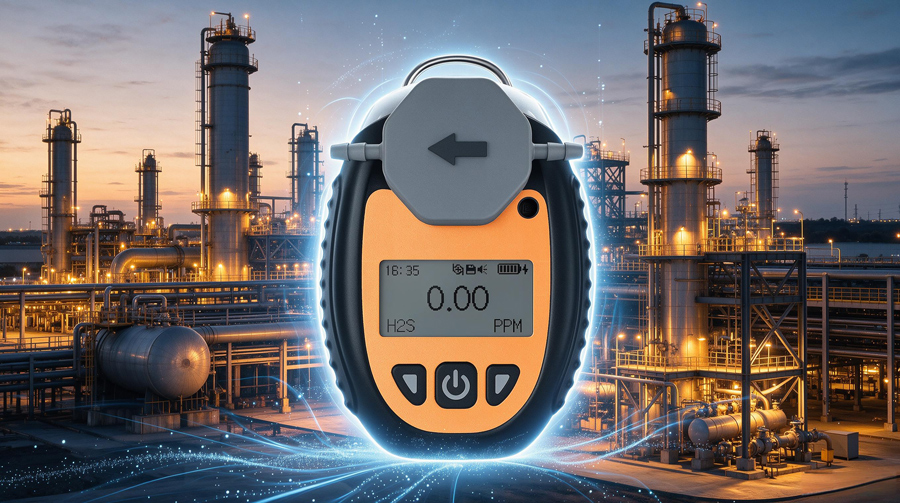
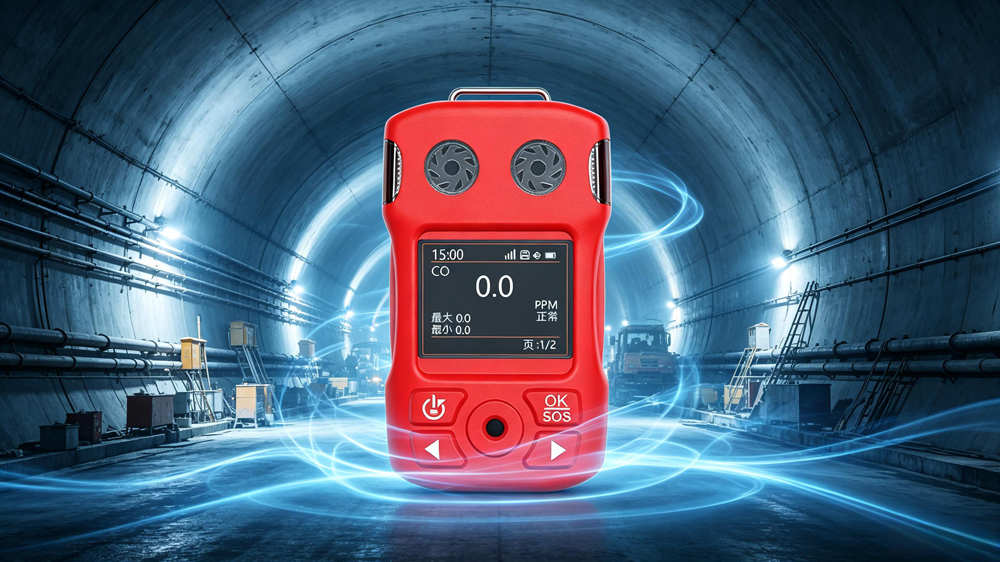
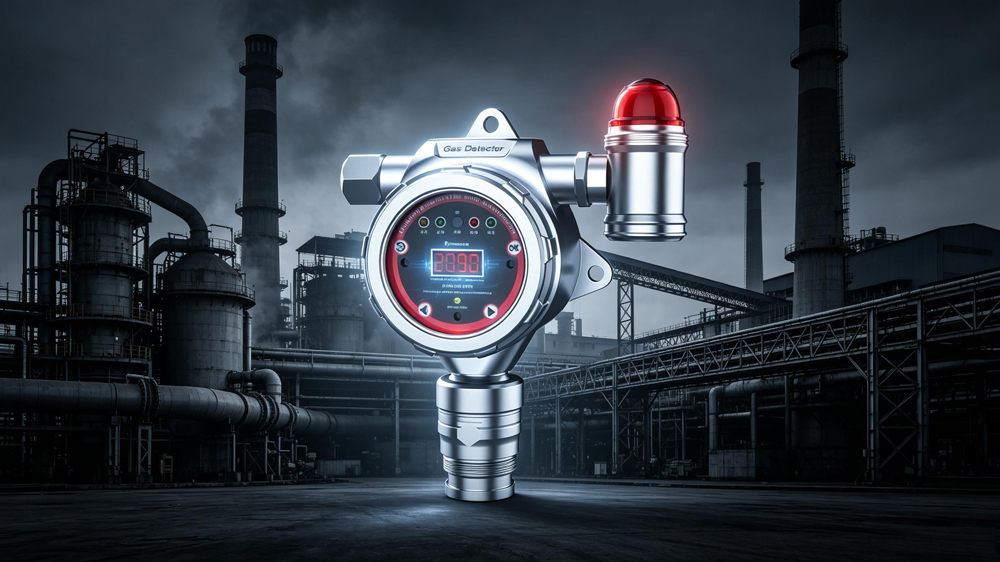
Publication Date:2022/07/20 gas alarm is currently mainly used for toxic, harmful, flammable and explosive gas safety testing equipment, its appearance can effectively protect the safety hidden danger, once the leakage occurs, the concentration exceeds the safety range will sound and light alarm to remind, remind the relevant personnel to take relevant safety protection measures in time, so as to effectively avoid the occurrence of various safety accidents. However, due to the different detection gases, the protection radius range sometimes has certain differences. So do you know what the protection radius of gas alarm is? The following is a brief introduction by yi yun Tian:

toxic gas alarm protection radius:
the distance between the toxic gas alarm and the release source should not be greater than 2 meters outdoors and 1 meter indoors.
Combustible gas alarm protection radius:
GB50028-2006 according to the Design Code for Urban Gas:
article 10.8.2: the setting of the gas concentration detection alarm shall meet the following requirements:
when detecting gas lighter than air, the horizontal distance between the detection alarm and the gas appliance or valve shall not be greater than 8m, and the installation height shall be 30-50cm from the roof, and shall not be located above the gas appliance.
when detecting gas heavier than air, the horizontal distance between the detection alarm and the gas appliance or valve shall not be more than 4m, and the installation height shall be 30-50cm from the ground.
according to practical experience, the recommended protection radius of combustible gas alarm is 3~5m, the protection area is 20~25m2, or the recommended installation spacing is 5m.
Supplementary Note:
Radius of Protection: A unidirectional large horizontal distance that an alarm can effectively detect.
Protection area: the area that an alarm can effectively detect.
Installation spacing: the horizontal distance between the centers of two adjacent alarms.
In summary, it is the protection radius of the gas alarm. In order to ensure safety, we must install gas alarms and other related safety alarm equipment in places prone to leakage and common detection alarm points to reduce the incidence of accidents as much as possible, thus ensuring the safety of people's lives and property.
Related information
-
How to Calibrate a Portable four-in-one Gas Detectors?
Portable four-in-one gas detectors are core protective equipment in the industrial safety field. However, sensors can experience z...
2026-09-18 -
What are the application scenarios for portable four-in-one gas detectors?
Portable four-in-one gas detectors typically monitor oxygen (O₂), flammable gas (LEL), carbon monoxide (CO), and hydrogen sulfide...
2026-09-16 -
Portable four-in-one Gas Detectors User Manual
The portable four-in-one gas detectors is a core piece of personal protective equipment (PPE) for ensuring the safety of personnel...
2026-09-14 -

Calibration Specifications for Ammonia gas Detectors
Calibration of ammonia gas detectors is a core step in ensuring their measurement accuracy and alarm reliability. However, ammonia...
2026-09-11 -
What is the appropriate installation height for an ammonia gas detectors?
Ammonia (NH₃) has a relative density of only 0.59, much lighter than air. This means that in the event of a leak, the gas will qu...
2026-09-09
 info@eranntexgas.com sale1@eranntexgas.com


 15914124845