
What is the detection principle of the oxygen detector?
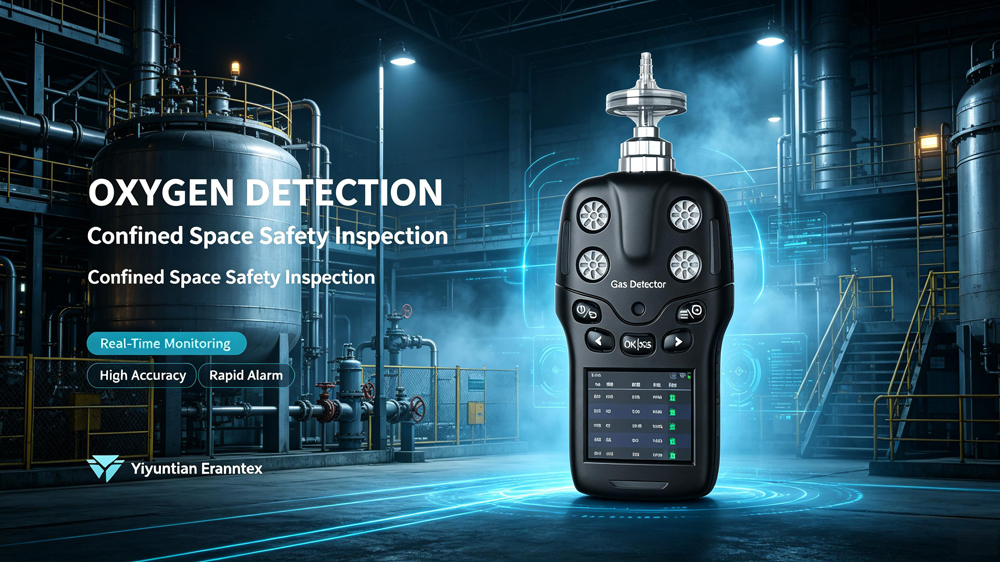
Publication Date:2022/08/15 In gas detection instruments, the oxygen detector is the 1 instrument specially used to detect the change of oxygen concentration. It can quickly detect the oxygen concentration content in the environment in any scene and any place, so as to continuously detect the oxygen concentration on-line and on-site sound and light alarm, and play an early warning role in the operation safety of dangerous sites, more effectively ensure the safety of operators. Do you know how the oxygen detector works? The following is a brief introduction by yi yun Tian:

detection principle of oxygen detector:
Air and the measured gas diffuse to the sensing electrode through the diffusion membrane. The control circuit maintains a voltage between the sensing electrode and the counter electrode sufficient to initiate an electrochemical reaction. The electrochemical reaction generated under the action of the measured gas forms an electric current between the two poles. The intensity of this 1 current is proportional to the concentration of the measured gas and is reversible. The control circuit also creates a bias level between the sense electrode and the reference electrode that does not create a current between the two poles. The rapid response of the sensor enables real-time, continuous detection of the surrounding air.
The oxygen detector can be divided into diffusion and pumping detection according to the sampling method. These two detection methods have their own advantages. Diffusion detection mode operation at will, detection of the impact of the sensor is small, long service life. When the pump suction detection mode is operated, it is necessary to master the dense direction of the air source, and it cannot be detected in the opposite direction, which affects the detection effect. The detection sensitivity is relatively high, but the service life is relatively short.
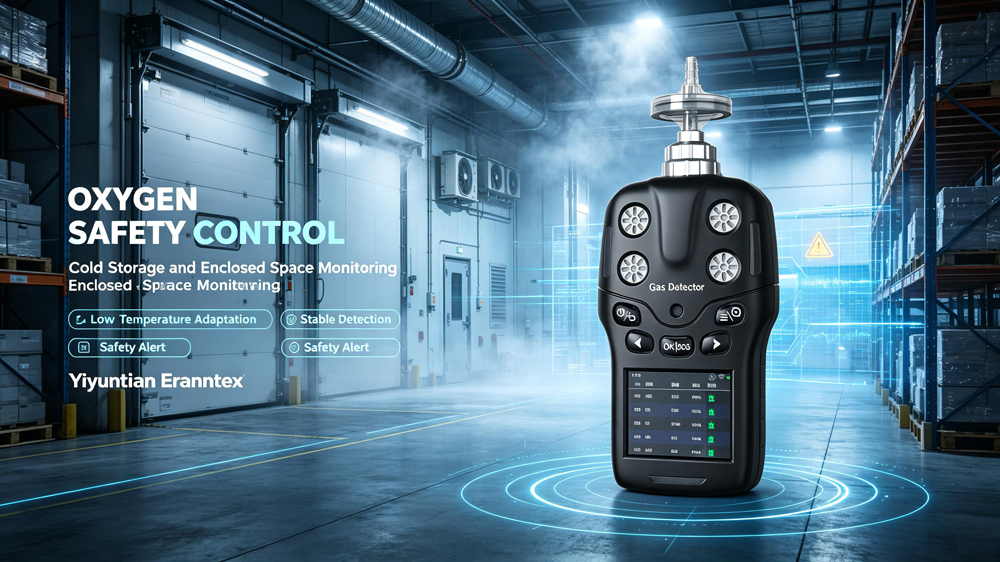
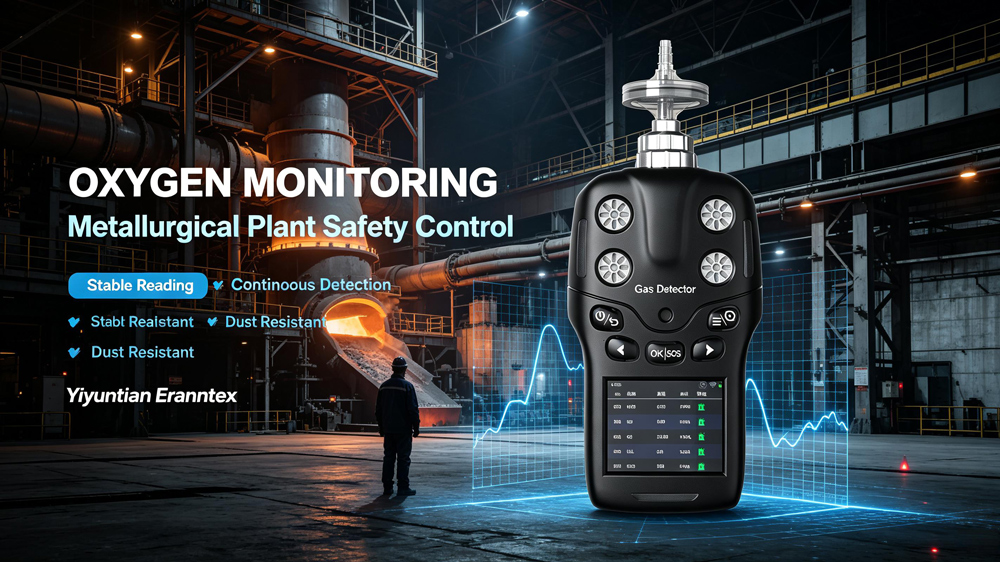
In summary, it is the detection principle of the oxygen detector. The oxygen detector is suitable for continuously detecting the percentage concentration of oxygen in the ambient air of industrial and mining enterprises. When the ambient concentration is high, high limit, low limit sound, light and vibration alarms are carried out to warn on-site personnel to evacuate the dangerous area as soon as possible.
Related information
-
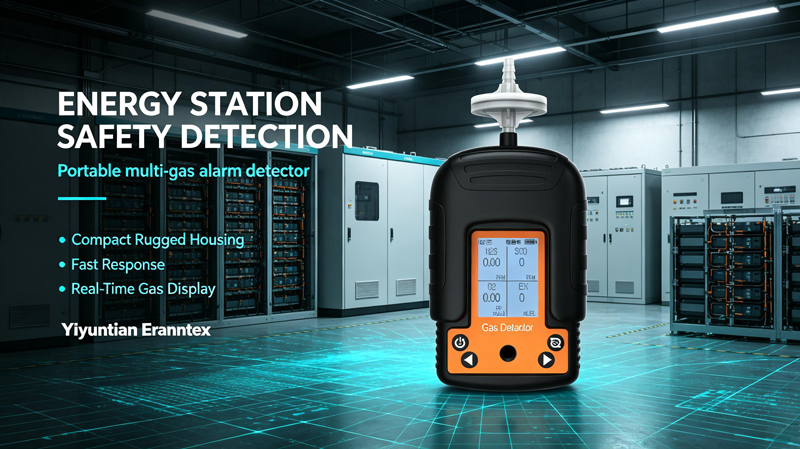
How to Calibrate a Portable four-in-one Gas Detectors?
Portable four-in-one gas detectors are core protective equipment in the industrial safety field. However, sensors can experience z...
2026-09-18 -
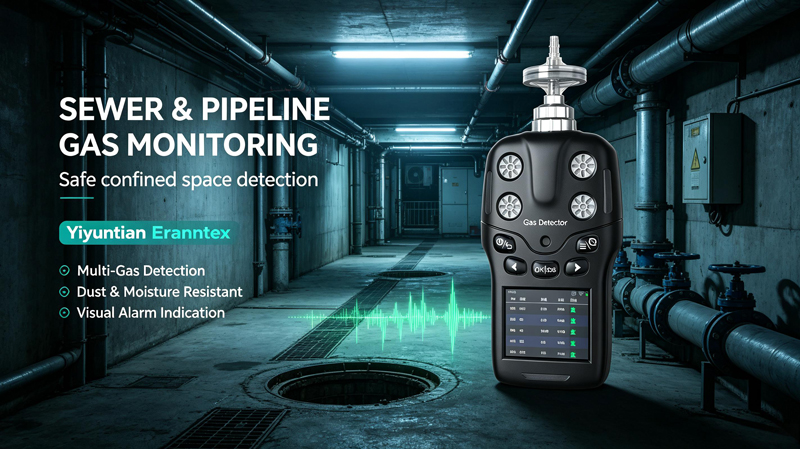
What are the application scenarios for portable four-in-one gas detectors?
Portable four-in-one gas detectors typically monitor oxygen (O₂), flammable gas (LEL), carbon monoxide (CO), and hydrogen sulfide...
2026-09-16 -
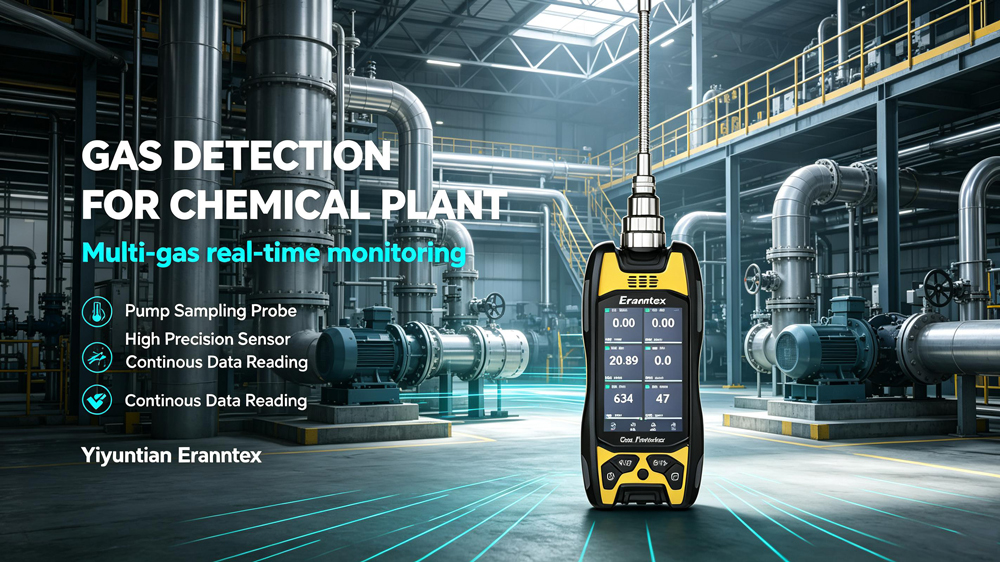
Portable four-in-one Gas Detectors User Manual
The portable four-in-one gas detectors is a core piece of personal protective equipment (PPE) for ensuring the safety of personnel...
2026-09-14 -

Calibration Specifications for Ammonia gas Detectors
Calibration of ammonia gas detectors is a core step in ensuring their measurement accuracy and alarm reliability. However, ammonia...
2026-09-11 -
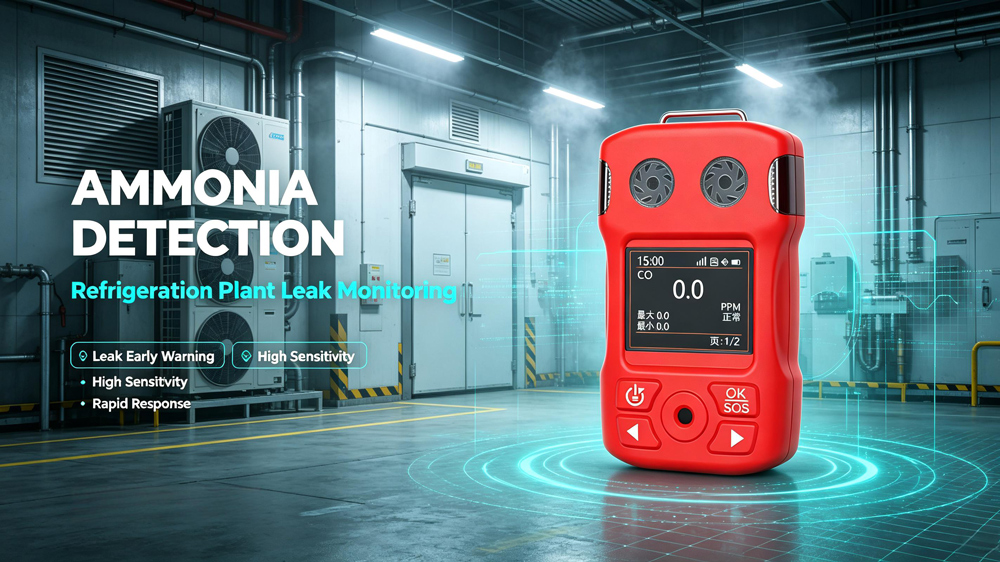
What is the appropriate installation height for an ammonia gas detectors?
Ammonia (NH₃) has a relative density of only 0.59, much lighter than air. This means that in the event of a leak, the gas will qu...
2026-09-09
 info@eranntexgas.com sale1@eranntexgas.com


 15914124845