
What are the setting specifications for combustible gas alarm alarm points?
Publication Date:2023/04/24 At present, all kinds of explosion, fire and poisoning accidents caused by gas leakage occur frequently. In order to effectively ensure safety, combustible gas alarm must be installed. In this way, when combustible gas leakage occurs in the environment, when the combustible gas alarm detects that the gas concentration reaches the critical point of explosion or the alarm setting, it will send out an alarm signal to remind the staff to take safety measures, so as to effectively prevent explosion, fire and poisoning accidents and ensure safe production. However, the installation of combustible gas alarm is not a 1 simple matter, and its alarm point needs to meet the relevant setting specifications. Do you know the setting specifications of combustible gas alarm alarm point? The following is a brief introduction by Yiyuntian:

combustible gas alarm point setting specification:
, mainly refers to workplaces that may release highly toxic, highly toxic gases, or other toxic gases that may be released in large quantities or are easy to accumulate.
2. The combustible gas alarm point should be located near the release point that may release toxic gas, such as transfer pump, compressor, valve, flange, feeding port, sampling port, drain port of storage and transportation equipment, toxic liquid loading and unloading port or possible overflow port, toxic gas filling port and vulnerable parts of toxic substance equipment. In addition, it is also appropriate to set combustible gas alarm alarm points for trenches, sewage outlets, dead corners and tunnels that are associated with toxic gas release source sites and have personnel activities.
3. when determining the alarm point of combustible gas alarm, the physical and chemical characteristics, toxicity, flammability and explosion, meteorological conditions, production conditions, occupational health conditions and the severity of accidents that may be caused shall be considered to realize effective alarm.
2. The combustible gas alarm alarm should be set to low-level alarm or high-level alarm.The conventional detection alarm should be low-level alarm; when the process needs to adopt interlocking protection system, low-level alarm and high-level alarm should be used. At the same time of high-level alarm, contact signal should be output for interlocking protection system.
In summary, it is the setting specification of the combustible gas alarm alarm point. The setting specification of combustible gas alarm point shall follow a general principle. The location, quantity and method of setting shall refer to the configuration of similar devices and equipment at home and abroad, according to the actual operation of the device and the principle of ensuring production safety.
Related information
-
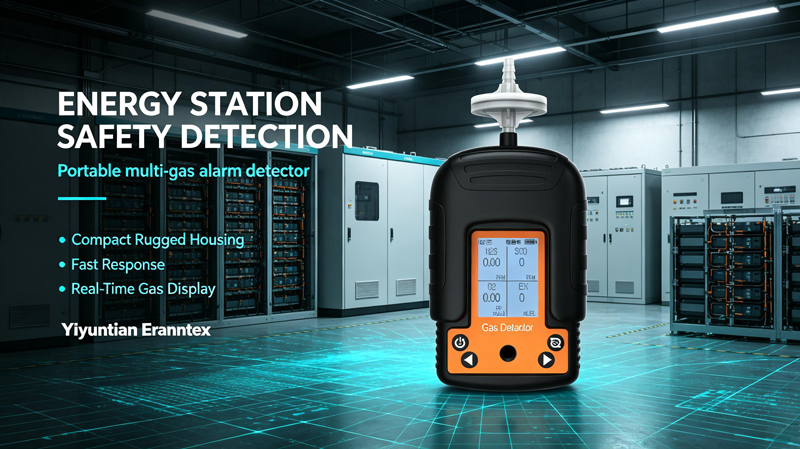
How to Calibrate a Portable four-in-one Gas Detectors?
Portable four-in-one gas detectors are core protective equipment in the industrial safety field. However, sensors can experience z...
2026-09-18 -
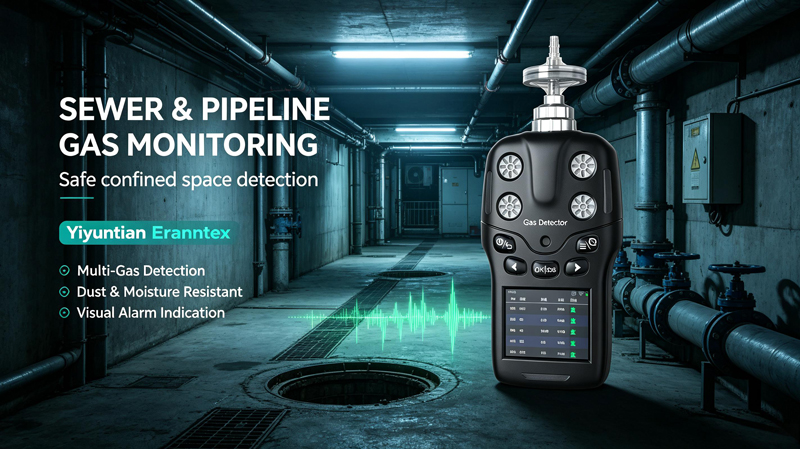
What are the application scenarios for portable four-in-one gas detectors?
Portable four-in-one gas detectors typically monitor oxygen (O₂), flammable gas (LEL), carbon monoxide (CO), and hydrogen sulfide...
2026-09-16 -
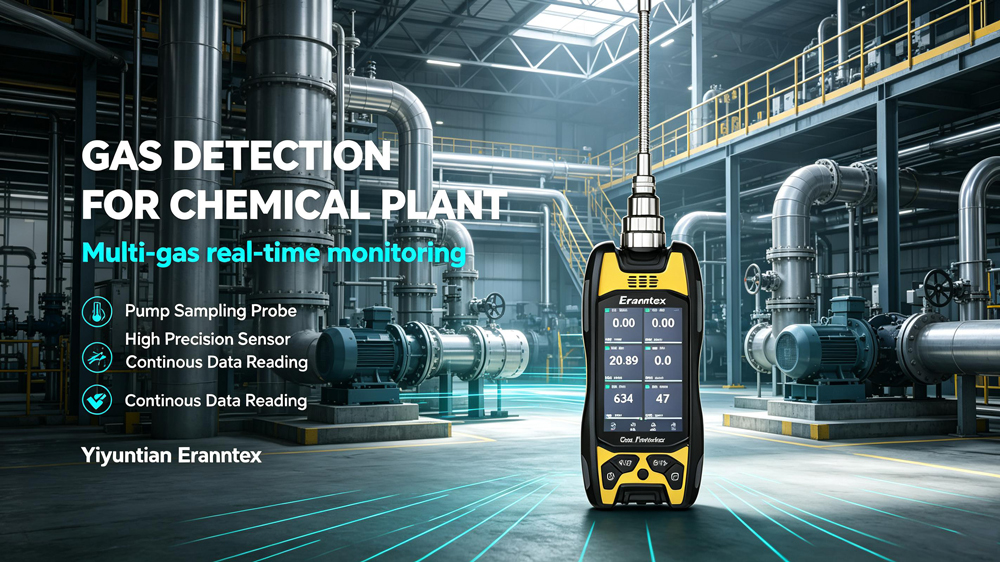
Portable four-in-one Gas Detectors User Manual
The portable four-in-one gas detectors is a core piece of personal protective equipment (PPE) for ensuring the safety of personnel...
2026-09-14 -

Calibration Specifications for Ammonia gas Detectors
Calibration of ammonia gas detectors is a core step in ensuring their measurement accuracy and alarm reliability. However, ammonia...
2026-09-11 -
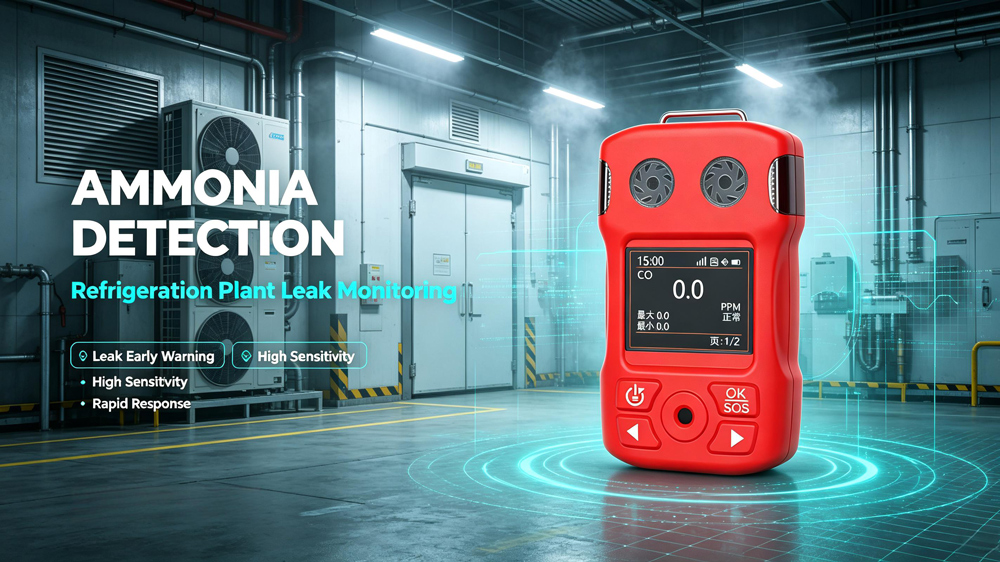
What is the appropriate installation height for an ammonia gas detectors?
Ammonia (NH₃) has a relative density of only 0.59, much lighter than air. This means that in the event of a leak, the gas will qu...
2026-09-09
 info@eranntexgas.com sale1@eranntexgas.com


 15914124845