
What does the PPM shown in the gas alarm mean?
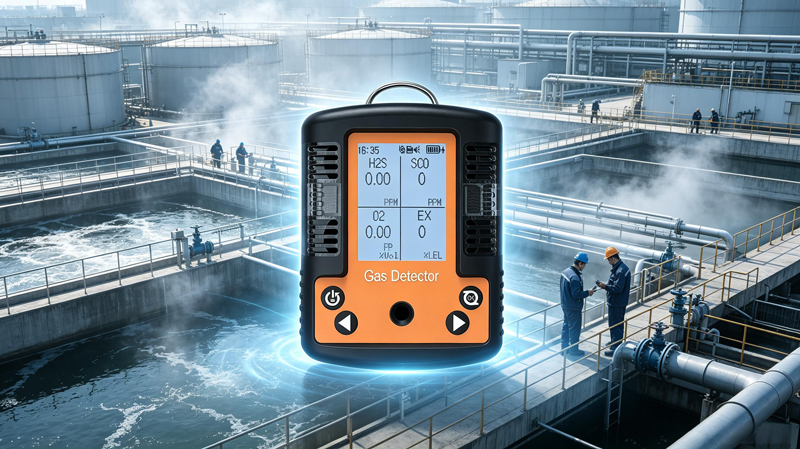
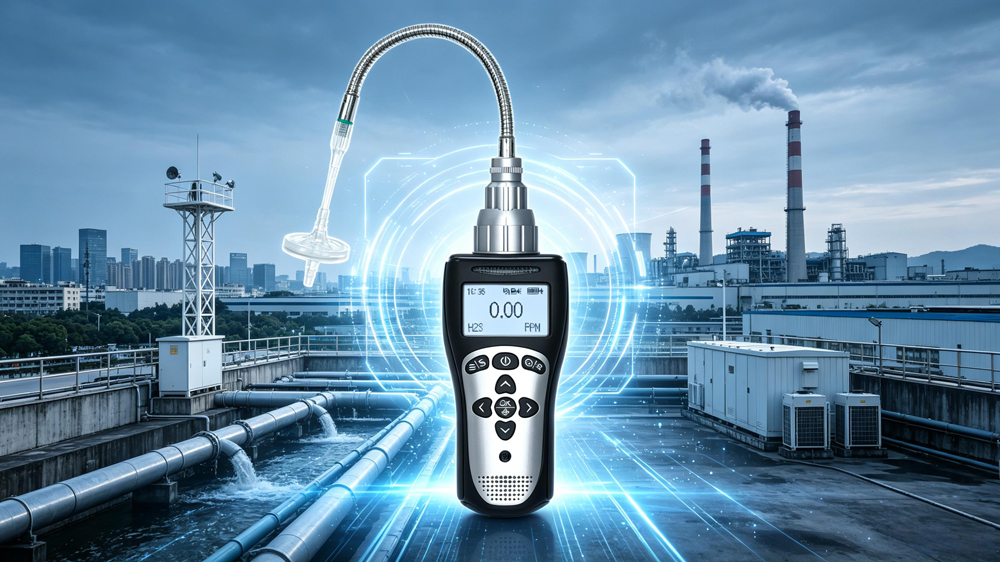
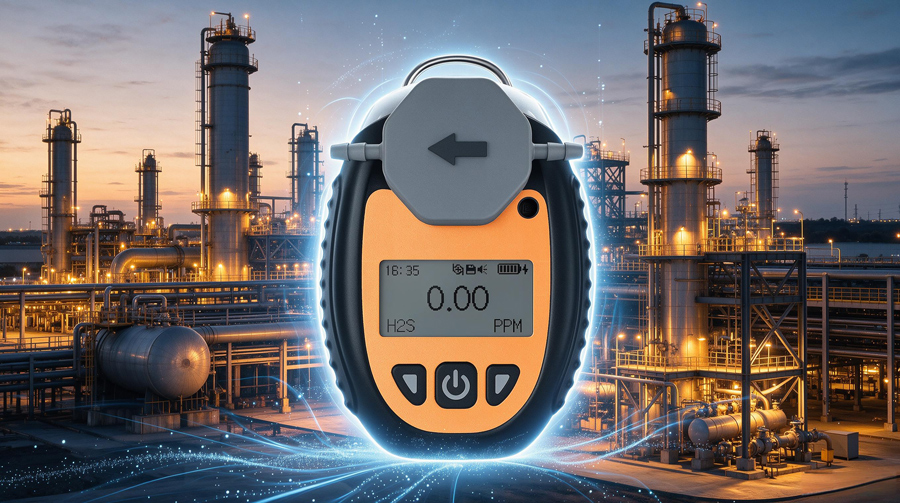
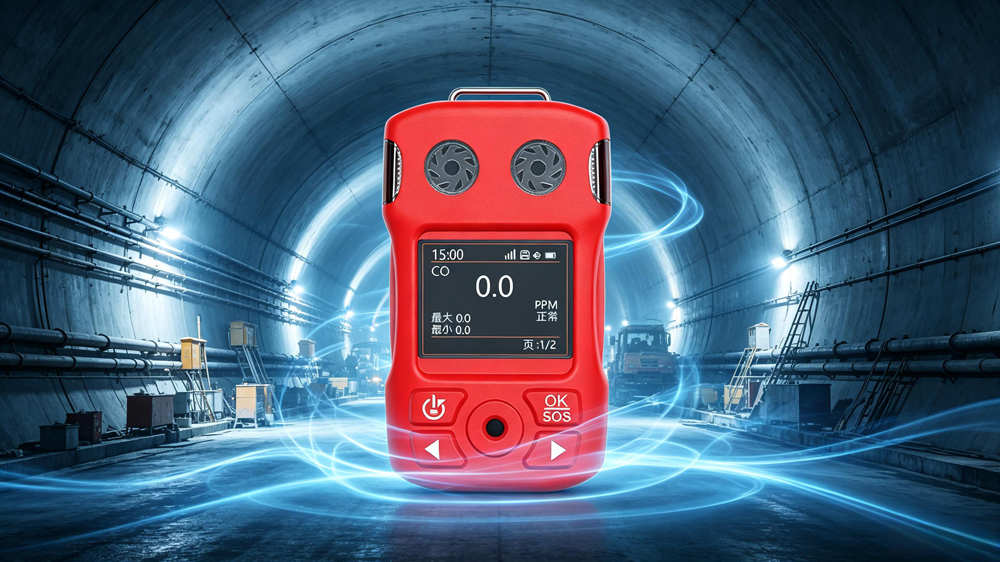
Publication Date:2023/06/09 in the process of using the gas alarm, as long as you carefully observe the display screen of the instrument, you will find that some parameter units, such as LEL%, VOL%, PPM and other similar words, are often displayed on the display screen. So do you know what the PPM shown in Gas Alarm means? The following is a brief introduction by yi yun Tian:

PPM is the 1 volume ratio concentration expression method, which is the volume ratio of parts per million or parts per million, such: 1PPM is one part per million and 150PPM is 150 parts per million.
For a solution: that is, 1/1000 ml of solute in 1 liter of aqueous solution, its concentration is 1 PPM.
For gas: one of the ways to express the concentration of pollutants in the ambient atmosphere.
volume concentration representation: the volume number of pollutants contained in one million volumes of air, I .e. PPM, and the gas concentration measured by most gas detectors is volume concentration (PPM). according to China's regulations, especially the environmental protection department, the gas concentration is required to be expressed in units of mass concentration, and our national standards and specifications are also expressed in units of mass concentration. It is the use of some metal oxide semiconductor materials, at a certain temperature, the conductivity with the change of the ambient gas composition and the principle of manufacturing.
If the concentration of a gas is 200 ppm, it means that there are 200 cubic meters of this gas in the 1 million volume of air. Ppm is a common unit for gas detectors and gas alarms. It is generally used for labeling units or alarm values for non-flammable and explosive gases (flammable and explosive gases are labeled with% LEL). Therefore, the gas concentration measured by most gas alarms is the volume concentration (ppm).
In summary, we can see that PPM is the 1 volume ratio concentration expression method. It is worth noting that any application beyond the description of the gas alarm manual, or any failure in use, should contact the manufacturer in time to seek a solution, and remember not to operate by yourself to prevent potential safety hazards.
Related information
-
How to Calibrate a Portable four-in-one Gas Detectors?
Portable four-in-one gas detectors are core protective equipment in the industrial safety field. However, sensors can experience z...
2026-09-18 -
What are the application scenarios for portable four-in-one gas detectors?
Portable four-in-one gas detectors typically monitor oxygen (O₂), flammable gas (LEL), carbon monoxide (CO), and hydrogen sulfide...
2026-09-16 -
Portable four-in-one Gas Detectors User Manual
The portable four-in-one gas detectors is a core piece of personal protective equipment (PPE) for ensuring the safety of personnel...
2026-09-14 -

Calibration Specifications for Ammonia gas Detectors
Calibration of ammonia gas detectors is a core step in ensuring their measurement accuracy and alarm reliability. However, ammonia...
2026-09-11 -
What is the appropriate installation height for an ammonia gas detectors?
Ammonia (NH₃) has a relative density of only 0.59, much lighter than air. This means that in the event of a leak, the gas will qu...
2026-09-09

 info@eranntexgas.com sale1@eranntexgas.com


 15914124845