
How to calibrate the oxygen detector?
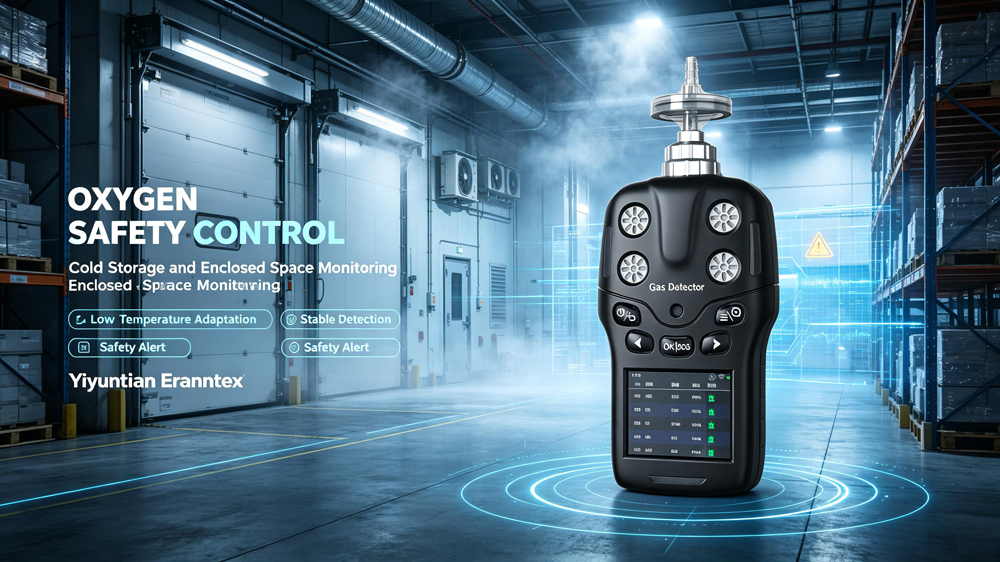
Publication Date:2023/09/06 In many industrial fields, due to the high purity of oxygen, leakage is prone to the risk of personnel poisoning and explosion. In order to ensure safety, an oxygen detector should be installed, so that when oxygen leaks, sound and light warnings can be issued in time to remind personnel to evacuate and take measures to ensure the safety of production operations. However, in the process of using the oxygen detector in the later stage, if we want to ensure the accuracy of the detection, we need to check and adjust regularly without interruption. Therefore, calibration is a very important content. So do you know how to calibrate the oxygen detector ? The following is an introduction by Yiyuntian:
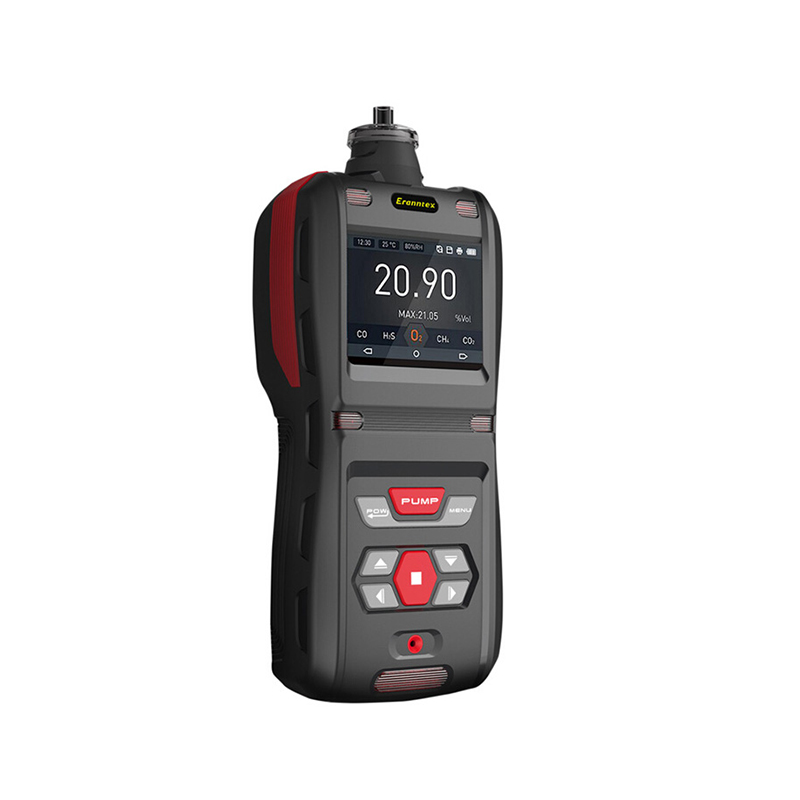
Oxygen detector calibration method:
1. Concentration zero calibration
oxygen detector concentration zero point can be understood as the lower limit of oxygen detector use, in general, we default to 00.1ppm, because the oxygen detector does not have 0 under any circumstances, so we think the lower limit is 0.1PPM, and in the actual calibration process, we cannot find such a low standard gas. therefore, in general, we use high purity argon or high purity nitrogen with an oxygen concentration of less than 1.0PPM as the concentration zero gas, introduce it into the oxygen detector, and adjust the zero concentration to 0.1PPM.
2. Concentration Range Calibration
Oxygen Concentration Range that can be understood as the high upper limit of the oxygen detector, in general, we default to 21.0 (air). Generally speaking, the smaller the difference between the concentration range and the concentration zero, the better the linearity of the instrument's reading. In the actual calibration process, the user can determine the appropriate concentration range according to the range of his working conditions. However, one thing to know is that when the concentration zero point and the concentration range are determined, the readings outside this range will deviate greatly. Pass into the oxygen detector and adjust the concentration range to the required indicator.
In summary, this is how the oxygen detector is calibrated. By doing a good job in the calibration of the oxygen detector, we can effectively ensure that the results detected by the oxygen detector are relatively accurate each time, so as to better ensure the safety of production operations.
Related information
-
How to Calibrate a Portable four-in-one Gas Detectors?
Portable four-in-one gas detectors are core protective equipment in the industrial safety field. However, sensors can experience z...
2026-09-18 -
What are the application scenarios for portable four-in-one gas detectors?
Portable four-in-one gas detectors typically monitor oxygen (O₂), flammable gas (LEL), carbon monoxide (CO), and hydrogen sulfide...
2026-09-16 -
Portable four-in-one Gas Detectors User Manual
The portable four-in-one gas detectors is a core piece of personal protective equipment (PPE) for ensuring the safety of personnel...
2026-09-14 -

Calibration Specifications for Ammonia gas Detectors
Calibration of ammonia gas detectors is a core step in ensuring their measurement accuracy and alarm reliability. However, ammonia...
2026-09-11 -
What is the appropriate installation height for an ammonia gas detectors?
Ammonia (NH₃) has a relative density of only 0.59, much lighter than air. This means that in the event of a leak, the gas will qu...
2026-09-09
 info@eranntexgas.com sale1@eranntexgas.com


 15914124845