
How to use the combustible gas alarm correctly?
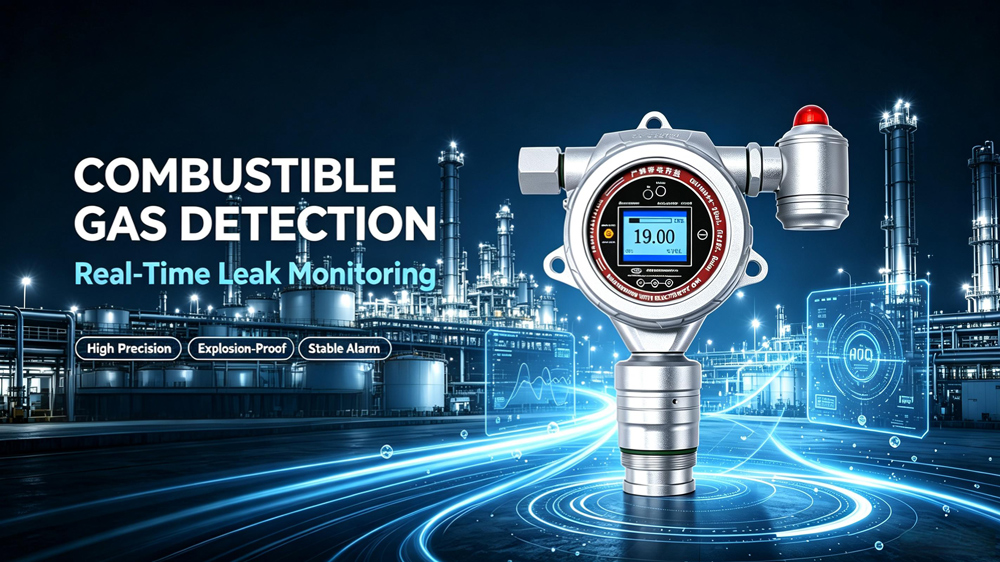
Publication Date:2024/01/05 I believe everyone knows that the combustible gas alarm is the 1 instrument used to detect the concentration of combustible gas in the air. Its use is essential to ensure people's life safety and property safety. However, if the combustible gas alarm is not used correctly, it will not only lose its function, but also may cause safety accidents. Therefore, it is very necessary to understand how to use the combustible gas alarm correctly. So do you know how to properly use the Combustible Gas Alarm ? The following is an introduction to yiyuntian electronic editor:
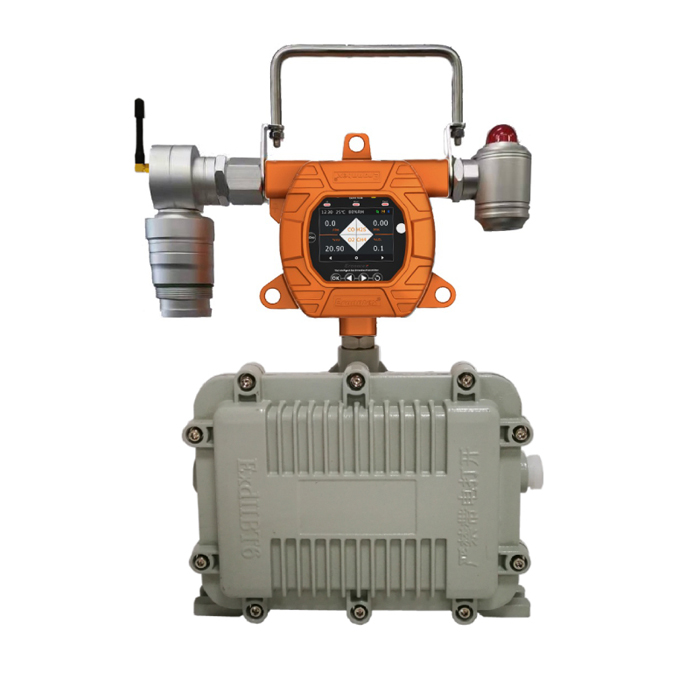
correct usage of combustible gas alarm:
1. When using combustible gas alarm, it should be noted that the level of dangerous place should be adapted to the explosion-proof mark of the instrument. The explosion-proof category, level and group of the detector must meet the requirements of the category, level and group of the explosive gas mixture on site. It shall not be used in the environment allowed by the explosion-proof mark, otherwise it will not play the role of explosion-proof on site.
2. The combustible gas alarm cannot be used in places containing sulfur, arsenic, phosphorus and halogen compounds. Because they will poison the detection elements in the detector, reduce the sensitivity of the detector, shorten the service life, and seriously cause the detector to fail. To detect the combustible gas containing the above-mentioned element compounds, the anti-toxic catalytic combustion type detector or the semiconductor type detector should be selected. Since the catalytic combustion type detector has the property of detonating hydrogen, the electrochemical or semiconductor type detector should be selected for the detection of hydrogen.
3. The combustible gas alarm cannot be used under environmental conditions where the concentration of combustible gas is higher than the lower explosion limit. Since the detecting element used in the catalytic combustion type detector is a carrier catalytically active element, when the concentration of the combustible gas higher than the lower explosion limit is detected, the detecting element in the detector is burned.
4. the installation position of combustible gas alarm should be adapted to the density of measured gas. The gas lighter than air always diffuses upward, and the detector should be installed above the leak source. The installation height should be 0.5~2m higher than the height of the release source, and the horizontal distance from the release source should be appropriately reduced to within 5m, so that combustible gas can be detected as soon as possible. Gas heavier than air should be installed below the leakage source, and the installation height should be 0.3~0.6m higher than the ground. Too low to cause damage to the detector due to rain splash, too high to exceed the height of the gas heavier than air is easy to accumulate.
5. Before the combustible gas alarm is put into operation, the working current (voltage) of the detector shall be adjusted. The adjusted current (voltage) value should be within the range specified in the instrument instructions to ensure the normal operation of the detector. This current (voltage) after adjustment, in addition to normal maintenance, generally do not need to move.
6. Set the alarm value of the combustible gas alarm correctly. In general, the concentration range of combustible gas displayed by the alarm is 0~100 LEL. The alarm setting value is generally 20 ~ 30% LEL. For instruments with secondary alarm, the set value of primary alarm (high limit) shall be less than or equal to 20% LEL; The set value of secondary alarm (high limit) shall be less than or equal to 50% LEL.
In summary, it is the correct use of combustible gas alarms. Only when we use the combustible gas alarm correctly can we give full play to its role, so as to better protect people's life safety and property safety.
Related information
-
How to Calibrate a Portable four-in-one Gas Detectors?
Portable four-in-one gas detectors are core protective equipment in the industrial safety field. However, sensors can experience z...
2026-09-18 -
What are the application scenarios for portable four-in-one gas detectors?
Portable four-in-one gas detectors typically monitor oxygen (O₂), flammable gas (LEL), carbon monoxide (CO), and hydrogen sulfide...
2026-09-16 -
Portable four-in-one Gas Detectors User Manual
The portable four-in-one gas detectors is a core piece of personal protective equipment (PPE) for ensuring the safety of personnel...
2026-09-14 -

Calibration Specifications for Ammonia gas Detectors
Calibration of ammonia gas detectors is a core step in ensuring their measurement accuracy and alarm reliability. However, ammonia...
2026-09-11 -
What is the appropriate installation height for an ammonia gas detectors?
Ammonia (NH₃) has a relative density of only 0.59, much lighter than air. This means that in the event of a leak, the gas will qu...
2026-09-09
 info@eranntexgas.com sale1@eranntexgas.com


 15914124845