
What is the difference between hydrogen alarm and combustible gas alarm?
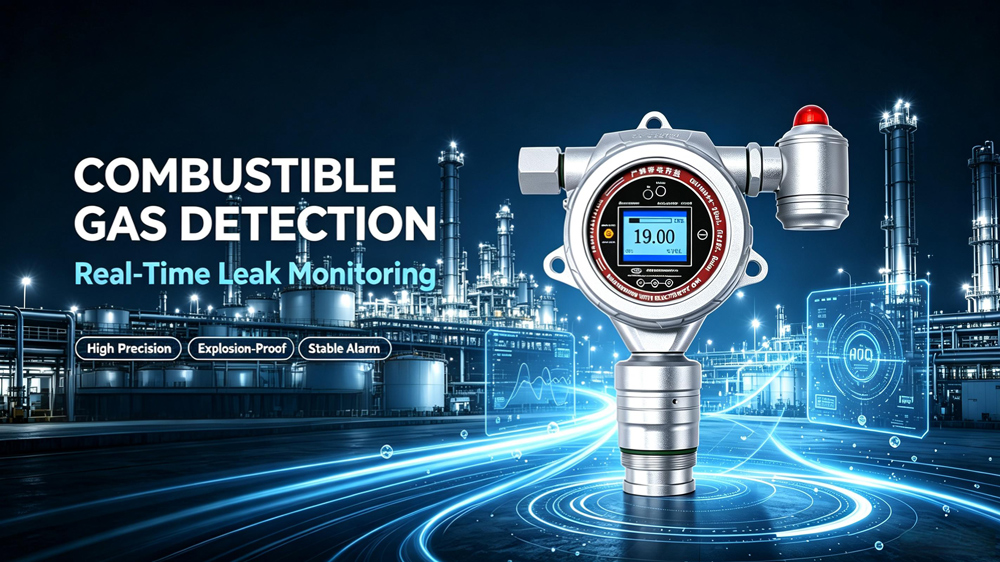
Publication Date:2024/01/04 Although hydrogen alarms and combustible gas alarms are currently widely used to detect gas concentration, there are obvious differences between them. In order to better ensure safety and accuracy, we need to select suitable instruments according to specific needs in actual use. Do you know the difference between hydrogen alarm and combustible gas alarm ? The following is a brief introduction by yiyuntian electronics:

the difference between hydrogen alarm and combustible gas alarm:
1. Different detection principles
Hydrogen alarm In general, mainly using electrochemical or catalytic combustion principle for detection, and combustible gas alarm using electrochemical, catalytic combustion or infrared detection principle.Therefore, when choosing which alarm to use, you need to choose according to actual needs and environmental characteristics.
2. Different detection accuracy
3. Different use environments and application scenarios
Hydrogen alarm due to its unique nature, it is mainly used in high-risk industrial production environments. This is mainly because hydrogen has a lower explosion limit and a wider explosion range, which means that under certain conditions, hydrogen is more prone to explosion. Therefore, high-risk industries such as chemical plants and pharmaceutical plants have become the main applications of hydrogen alarms. Different from hydrogen alarm, combustible gas alarm is suitable for detecting a variety of combustible gas, because of its wide applicability, combustible gas alarm has been widely used in petroleum, chemical, gas and other industries. These industries involve a large number of combustible gases, so real-time monitoring of gas concentrations is essential.
To sum up, we can see that there are differences between hydrogen alarm and combustible gas alarm in terms of detection principle, detection accuracy, use environment and application scenarios. Therefore, when we use it, it is necessary to select the appropriate gas alarm according to the actual needs and environmental characteristics to ensure the smooth progress of safe production.
Related information
-
How to Calibrate a Portable four-in-one Gas Detectors?
Portable four-in-one gas detectors are core protective equipment in the industrial safety field. However, sensors can experience z...
2026-09-18 -
What are the application scenarios for portable four-in-one gas detectors?
Portable four-in-one gas detectors typically monitor oxygen (O₂), flammable gas (LEL), carbon monoxide (CO), and hydrogen sulfide...
2026-09-16 -
Portable four-in-one Gas Detectors User Manual
The portable four-in-one gas detectors is a core piece of personal protective equipment (PPE) for ensuring the safety of personnel...
2026-09-14 -

Calibration Specifications for Ammonia gas Detectors
Calibration of ammonia gas detectors is a core step in ensuring their measurement accuracy and alarm reliability. However, ammonia...
2026-09-11 -
What is the appropriate installation height for an ammonia gas detectors?
Ammonia (NH₃) has a relative density of only 0.59, much lighter than air. This means that in the event of a leak, the gas will qu...
2026-09-09
 info@eranntexgas.com sale1@eranntexgas.com


 15914124845