
Where should the hydrogen detector be installed?
Publication Date:2024/03/01 Hydrogen is the 1 colorless, odorless, flammable and explosive gas, and its safety is very important. Therefore, in the production, storage, transportation and use of hydrogen, the installation of hydrogen detector has become an indispensable safety measure. The installation location of the hydrogen detector is a key factor related to its accuracy and effectiveness. It must be carefully considered to better ensure the accuracy and reliability of the instrument. Do you know where to avoid when installing Hydrogen Detector ? The following is an introduction to yiyuntian electronic editor:
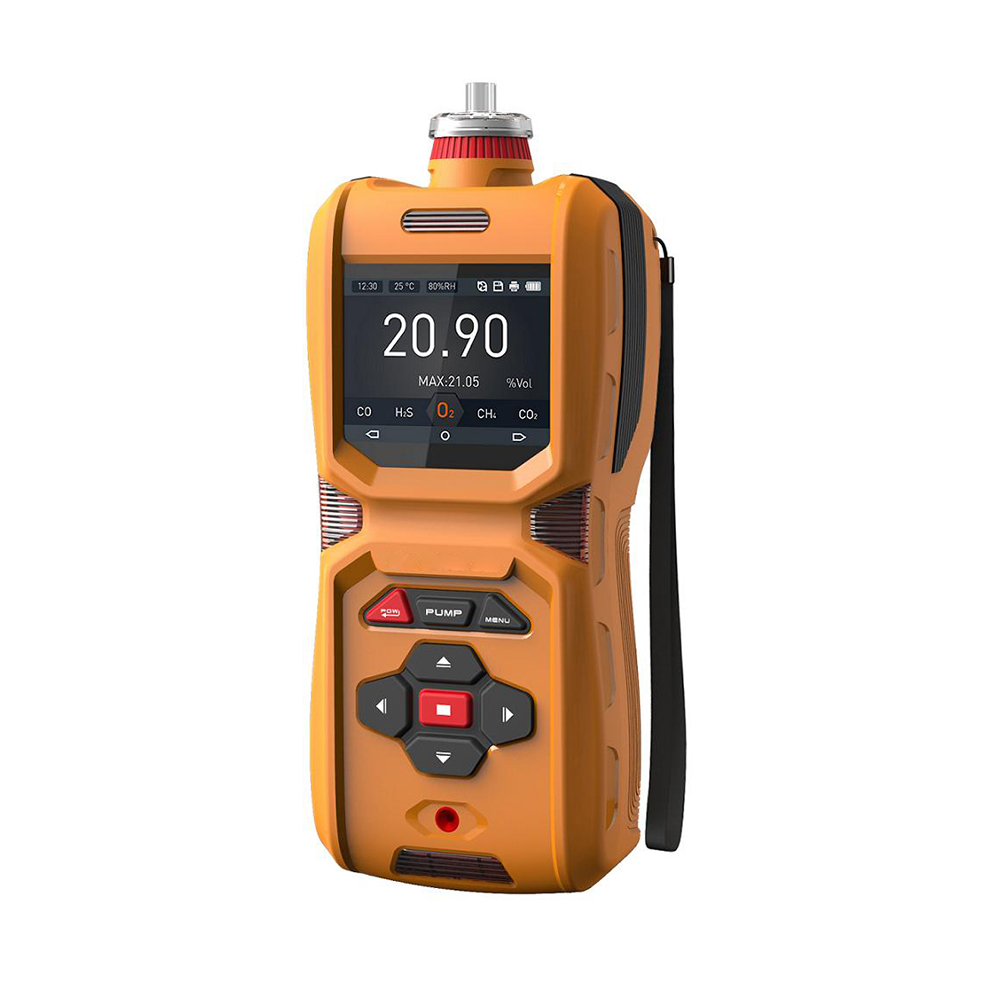
Avoid the following places to install the hydrogen detector:
1. Avoid strong electromagnetic interference.
Strong electromagnetic fields will interfere with the sensors and circuits of the hydrogen detector, resulting in increased errors or instrument failure. Therefore, when installing the hydrogen detector, it should be away from electromagnetic sources such as high-voltage wires, large motors, and high-frequency equipment to avoid interference.
2. Avoid installation in places susceptible to mechanical vibration and shock.
The sensor and circuit board of the hydrogen detector are very precise, and slight vibration and shock may cause damage or performance degradation. Therefore, the hydrogen detector should be installed on a stable and solid platform, away from vibration and shock sources.
3. Avoid harsh environments such as high temperature, high humidity, and corrosive gases.
These environments can cause damage to the electronic components and sensors of the hydrogen detector and shorten the service life of the instrument. Therefore, the hydrogen detector should be installed in a place with suitable temperature, moderate humidity and good gas environment, and necessary protective measures should be taken, such as installing protective covers and ventilation equipment.
4. Care should be taken to avoid installation in places with high traffic and easy contamination.
These places may cause the hydrogen detector to be disturbed by pollutants such as dust and oil fume, affecting the accuracy and reliability of the instrument. Therefore, the hydrogen detector should be installed in a relatively closed and clean environment, and the surface and sensor of the hydrogen detector should be cleaned regularly.
In summary, we can see that the installation of hydrogen detectors should avoid strong electromagnetic fields, Mechanical vibration, high temperature and high humidity, corrosive gases and other harsh environments, as well as places with large flow of people and easy pollution. Only by installing the hydrogen detector in a suitable location and taking necessary protective measures can we better ensure the accuracy and reliability of the hydrogen detector, thus providing a strong guarantee for safe production.
Related information
-
How to Calibrate a Portable four-in-one Gas Detectors?
Portable four-in-one gas detectors are core protective equipment in the industrial safety field. However, sensors can experience z...
2026-09-18 -
What are the application scenarios for portable four-in-one gas detectors?
Portable four-in-one gas detectors typically monitor oxygen (O₂), flammable gas (LEL), carbon monoxide (CO), and hydrogen sulfide...
2026-09-16 -
Portable four-in-one Gas Detectors User Manual
The portable four-in-one gas detectors is a core piece of personal protective equipment (PPE) for ensuring the safety of personnel...
2026-09-14 -

Calibration Specifications for Ammonia gas Detectors
Calibration of ammonia gas detectors is a core step in ensuring their measurement accuracy and alarm reliability. However, ammonia...
2026-09-11 -
What is the appropriate installation height for an ammonia gas detectors?
Ammonia (NH₃) has a relative density of only 0.59, much lighter than air. This means that in the event of a leak, the gas will qu...
2026-09-09
 info@eranntexgas.com sale1@eranntexgas.com


 15914124845