
The oxygen detector keeps making noise after it is turned on. What is going on?
Publication Date:2024/03/22 As the 1 common safety equipment, the oxygen detector can be widely used in various places where oxygen concentration needs to be monitored. However, in the process of using, we sometimes encounter some troubles, such as the continuous noise after the oxygen detector is turned on. The emergence of this situation will undoubtedly cause some inconvenience to our use. Do you know how the oxygen detector keeps beeps after it is turned on? The following is an introduction to yiyuntian electronic editor:
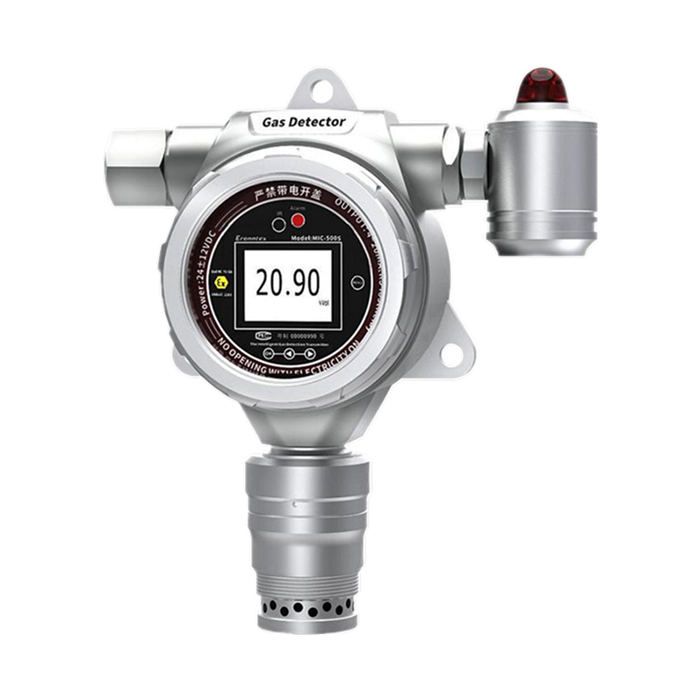
The continuous noise after the oxygen detector is turned on may be caused by various reasons, we can examine the following:
1. Check the power and battery status
If the power supply is low or the battery is low, the oxygen detector may not work properly, causing an alarm to sound.At this time, we can try to replace the battery or charge, and restart the oxygen detector to see if the problem is resolved.
2. Check the sensor for possible contamination or damage
If the sensor cannot accurately detect the oxygen concentration in the environment, the oxygen detector may sound a false alarm. In this case, we need to clean or replace the sensor. In addition, there may be problems with the calibration of the oxygen detector, resulting in inaccurate test results. At this time, we need to recalibrate the oxygen detector to ensure its accuracy.
3. Check whether the oxygen detector is affected by environmental factors
The oxygen detector may be affected by other environmental factors, such as temperature, humidity, etc. In extreme environments, the oxygen detector may not work properly, causing an alarm to sound. Therefore, we need to ensure that the oxygen detector is used under suitable environmental conditions and avoid exposing it to harsh environments.
In summary, we can see that when the oxygen detector continues to make noise after turning on When, we should first check the power supply and battery status, and then check the sensor and calibration. If the problem persists, we need to consider the impact of environmental factors on the instrument. By checking and solving problems one by one, we can ensure the normal operation of the oxygen detector, thus ensuring people's life safety and health.
Related information
-
How to Calibrate a Portable four-in-one Gas Detectors?
Portable four-in-one gas detectors are core protective equipment in the industrial safety field. However, sensors can experience z...
2026-09-18 -
What are the application scenarios for portable four-in-one gas detectors?
Portable four-in-one gas detectors typically monitor oxygen (O₂), flammable gas (LEL), carbon monoxide (CO), and hydrogen sulfide...
2026-09-16 -

Portable four-in-one Gas Detectors User Manual
The portable four-in-one gas detectors is a core piece of personal protective equipment (PPE) for ensuring the safety of personnel...
2026-09-14 -

Calibration Specifications for Ammonia gas Detectors
Calibration of ammonia gas detectors is a core step in ensuring their measurement accuracy and alarm reliability. However, ammonia...
2026-09-11 -
What is the appropriate installation height for an ammonia gas detectors?
Ammonia (NH₃) has a relative density of only 0.59, much lighter than air. This means that in the event of a leak, the gas will qu...
2026-09-09
 info@eranntexgas.com sale1@eranntexgas.com


 15914124845