
What is the drift of the value measured by the oxygen detector?
Publication Date:2024/04/10 In the process of using the oxygen detector, many friends have encountered numerical drift. Numerical drift refers to an unpredictable change in the oxygen concentration value displayed by the oxygen detector over a period of time, which is not caused by real fluctuations in the oxygen concentration in the environment. Therefore, when the value of the oxygen detector drifts, measures must be taken in time for calibration or maintenance to ensure that the instrument can accurately reflect the oxygen concentration in the environment. So do you know what happens when the values measured by the oxygen detector drift? The following is an introduction to yiyuntian electronic editor:

Possible Causes of Drift in Values Measured by Oxygen Detectors:
1. The device itself
br>
From the point of view of the device itself, the sensor inside the oxygen detector may deviate from the measured value due to long-term use, aging or damage.The performance of the sensor is greatly affected by environmental factors such as temperature and humidity. Once the environmental conditions change, the output value of the sensor may change, resulting in the drift of the measurement result.
2. Circuit Design
3. Use environment
4. How to do
To sum up, we can see that the reasons for the drift of the measured value of the oxygen detector may involve the problems of the equipment itself, circuit design problems, use environment and operation methods.Therefore, in order to prevent and reduce the occurrence of numerical drift, the oxygen detector should be maintained and calibrated regularly to ensure that it is in good working condition. In addition, factors such as temperature and humidity in the working environment that may affect the accuracy of the instrument should also be strictly controlled. Through these measures, the stability and reliability of the oxygen detector can be effectively improved, so as to ensure the safety and smooth progress of industrial production.
Related information
-
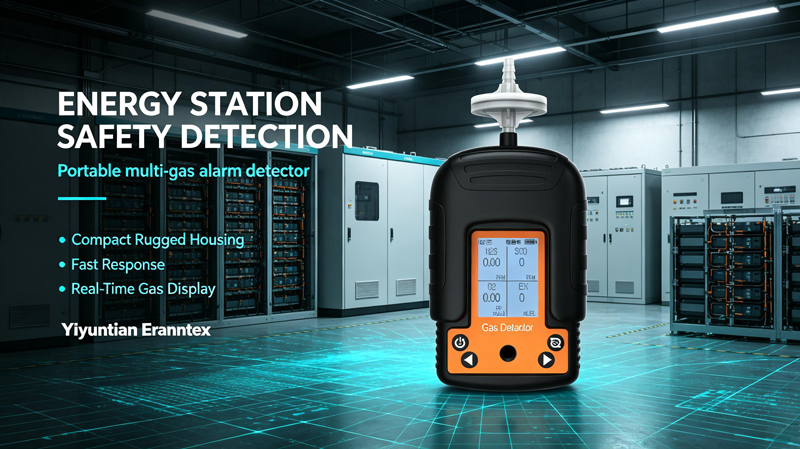
How to Calibrate a Portable four-in-one Gas Detectors?
Portable four-in-one gas detectors are core protective equipment in the industrial safety field. However, sensors can experience z...
2026-09-18 -
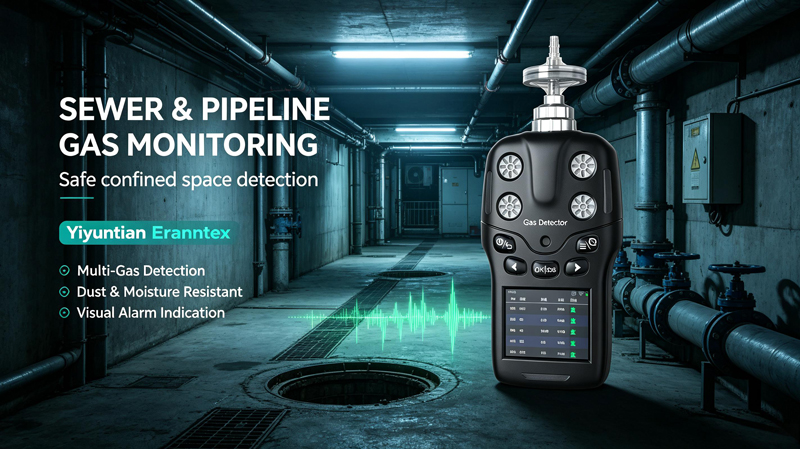
What are the application scenarios for portable four-in-one gas detectors?
Portable four-in-one gas detectors typically monitor oxygen (O₂), flammable gas (LEL), carbon monoxide (CO), and hydrogen sulfide...
2026-09-16 -
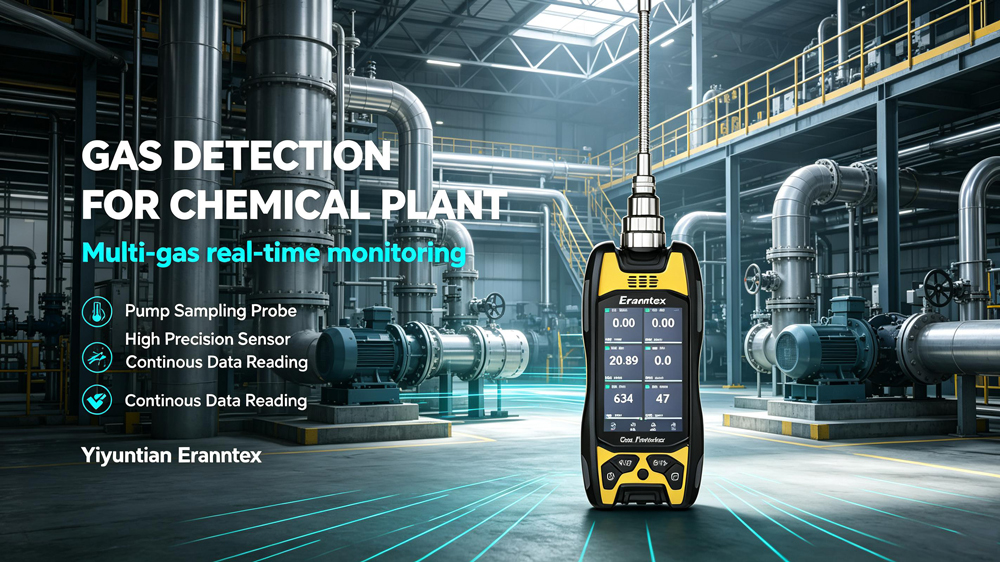
Portable four-in-one Gas Detectors User Manual
The portable four-in-one gas detectors is a core piece of personal protective equipment (PPE) for ensuring the safety of personnel...
2026-09-14 -

Calibration Specifications for Ammonia gas Detectors
Calibration of ammonia gas detectors is a core step in ensuring their measurement accuracy and alarm reliability. However, ammonia...
2026-09-11 -
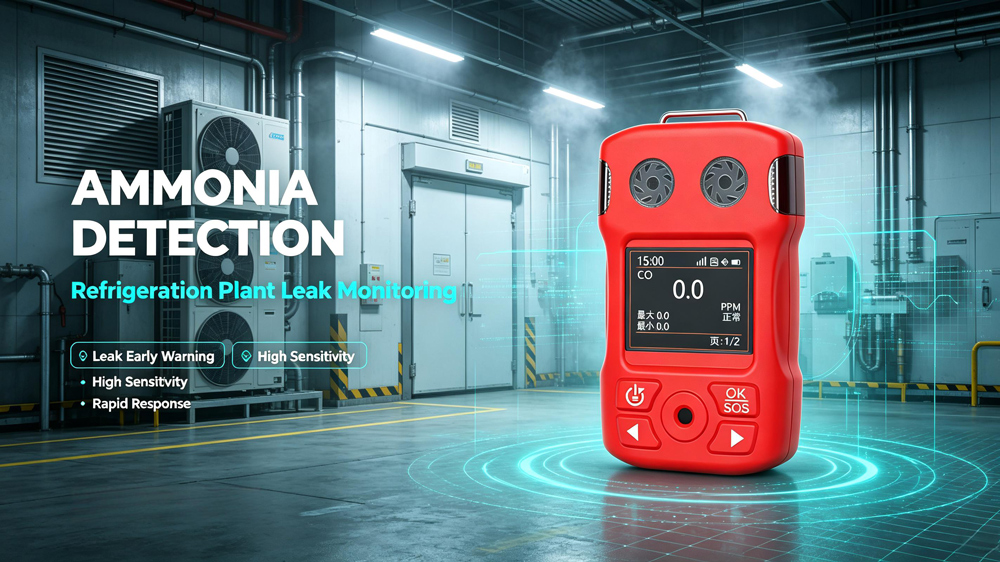
What is the appropriate installation height for an ammonia gas detectors?
Ammonia (NH₃) has a relative density of only 0.59, much lighter than air. This means that in the event of a leak, the gas will qu...
2026-09-09
 info@eranntexgas.com sale1@eranntexgas.com


 15914124845