
What are the specifications for the installation spacing of combustible gas alarms in different environments?
Publication Date:2024/05/06 reasonable installation spacing is essential to ensure the accurate monitoring and timely response of combustible gas alarm. The setting of this 1 spacing is not only related to the detection accuracy of combustible gas alarm, but also closely related to the safety of personnel and the production safety of enterprises. Therefore, the installation spacing specification of combustible gas alarm in different environments is the key to ensure its effective operation and timely warning. So do you know what is the specification for the installation spacing of combustible gas alarm in different environments? The following is an introduction to yiyuntian electronic editor:

Under different circumstances, combustible gas report alarm installation spacing specification:
1. Outdoor environment:
In an outdoor environment, the installation distance of combustible gas alarms is usually 1 every 15 meters, that is, the protection radius is 7.5 meters.
2. Enclosed and semi-enclosed indoor environments:
In these places, the installation distance of combustible gas alarm is 7 meters, that is, the protection radius is 3.5 meters. Such a spacing arrangement helps to ensure that in the event of a gas leak, the combustible gas alarm can detect and issue an alarm in a timely manner.
3. Open or well-ventilated environment:
In an open or well-ventilated environment, the installation distance of combustible gas alarms is usually larger. This is because fresh air can quickly dilute and diffuse the combustible gas that may be present, thereby reducing the risk of false alarms for combustible gas. However, this does not mean that the spacing of the combustible gas alarms can be increased at will in these circumstances. According to relevant standards and regulations, even in such an environment, the spacing of combustible gas alarms should be scientifically and reasonably calculated according to the nature, concentration and possible risks of the gas.
4. Confined or poorly ventilated environments:
In a closed or poorly ventilated environment, the installation spacing of the combustible gas alarm should be more strict. Due to poor air circulation, combustible gases tend to accumulate and reach dangerous concentrations. Therefore, the spacing of combustible gas alarms should be reduced accordingly to ensure that the alarm can be issued in time when the gas concentration reaches a dangerous level. At the same time, in this kind of environment, special attention should be paid to the location of combustible gas alarm to ensure that it can cover all potential leakage points.
5. For certain site-specific environments:
For some specific places, such as high-risk areas such as chemical production areas and oil depots, the installation spacing specification of combustible gas alarms should be specially customized according to specific safety requirements and risk assessment. This may need to be considered in combination with the actual situation on site, the possibility of gas leakage and the diffusion rate after leakage.
To sum up, we can see that the installation spacing specification of combustible gas alarms in different environments is a complex and important work, which not only needs to follow the relevant standards and regulations, it is also necessary to make scientific and reasonable calculations and choices based on specific actual conditions. Only in this way can we ensure the effective operation and timely warning of combustible gas alarm, so as to better ensure the safety of personnel and the safety and stability of enterprise production.
Related information
-
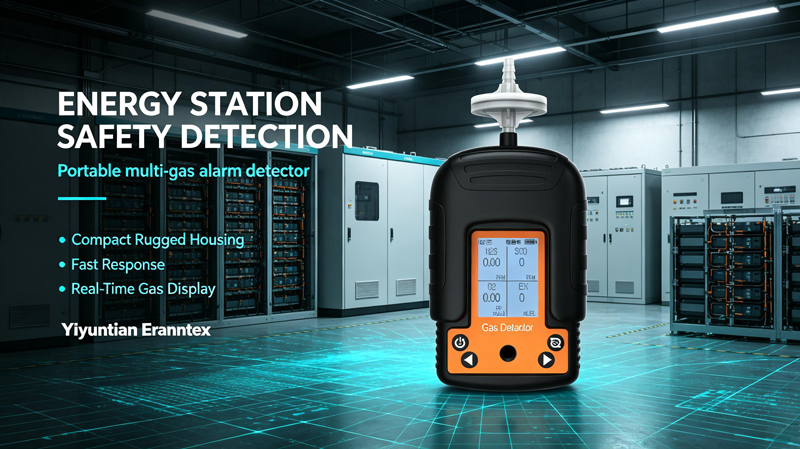
How to Calibrate a Portable four-in-one Gas Detectors?
Portable four-in-one gas detectors are core protective equipment in the industrial safety field. However, sensors can experience z...
2026-09-18 -
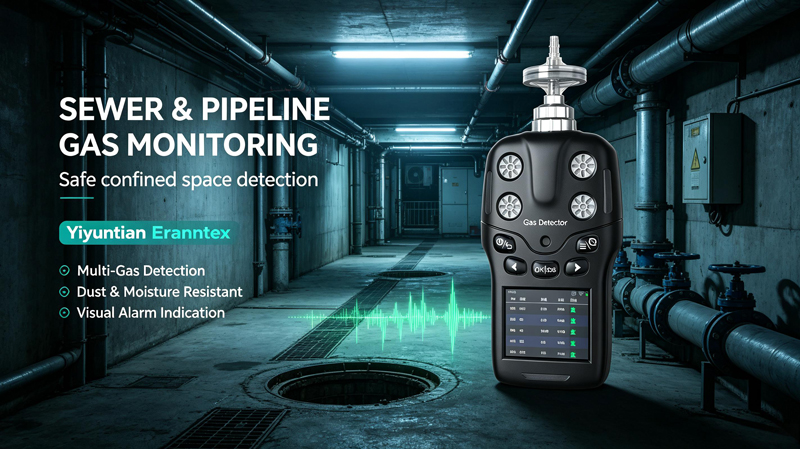
What are the application scenarios for portable four-in-one gas detectors?
Portable four-in-one gas detectors typically monitor oxygen (O₂), flammable gas (LEL), carbon monoxide (CO), and hydrogen sulfide...
2026-09-16 -
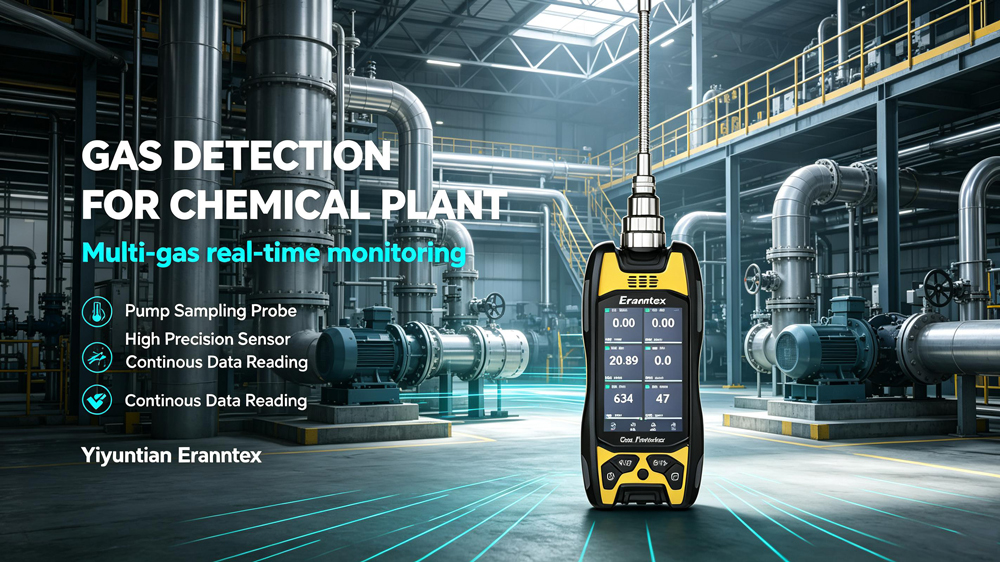
Portable four-in-one Gas Detectors User Manual
The portable four-in-one gas detectors is a core piece of personal protective equipment (PPE) for ensuring the safety of personnel...
2026-09-14 -

Calibration Specifications for Ammonia gas Detectors
Calibration of ammonia gas detectors is a core step in ensuring their measurement accuracy and alarm reliability. However, ammonia...
2026-09-11 -
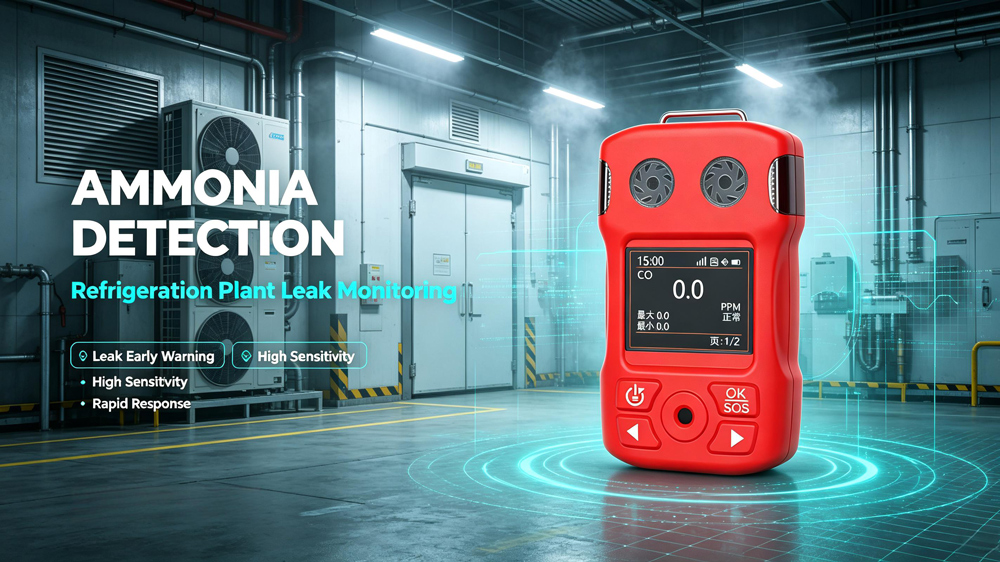
What is the appropriate installation height for an ammonia gas detectors?
Ammonia (NH₃) has a relative density of only 0.59, much lighter than air. This means that in the event of a leak, the gas will qu...
2026-09-09
 info@eranntexgas.com sale1@eranntexgas.com


 15914124845